

To be completely honest—Beijing wasn't on our radar. Like, at all. When a friend suggested we include it in our Asia itinerary, we were skeptical. The mental images of smog-covered skies and overpowering crowds made us hesitant. But then we arrived, and within 48 hours, we realized we'd been utterly wrong. Beijing wowed us in ways we never expected: the history wasn't just in museums—it was alive in the hutong alleyways, the food wasn't just edible—it was unforgettable, and the locals weren't cold—they were genuinely warm.
Over seven days exploring China's capital, we discovered that Beijing isn't a destination you rush through; it's a destination that fundamentally shifts how you see travel. So, if you're planning a trip to Beijing but feel uncertain about it, let us walk you through the absolute best things to do in this incredible city—and trust us, by the end, you'll understand why we're already planning our return.
What to Do in Beijing
Hike the Great Wall of China

What is it? The Great Wall of China is one of the world's most iconic structures, stretching over 13,000 kilometers across northern China with multiple well-preserved sections accessible from Beijing. The Mutianyu section, located approximately 50-80 kilometers northeast of Beijing, offers one of the best-preserved and less-crowded experiences compared to the crowded Badaling section. The wall winds through dramatic mountain terrain, featuring numerous watchtowers, brick construction, and commanding vistas.
Reason to go? Experience one of humanity's most impressive architectural achievements firsthand while enjoying breathtaking mountain views and hiking through ancient history. The wall represents centuries of Chinese civilization, military strategy, and engineering mastery. The experience combines physical adventure with profound cultural significance.
Pro tip from a local: Visit Mutianyu section instead of Badaling for fewer crowds and more authentic experience. Arrive early (7:30-8:00 AM) to avoid mid-day crowds and intense heat. Book cable car tickets to access upper wall sections without strenuous climbing. Allow 2-4 hours for the experience. The nearby toboggan slide down from Mutianyu adds unique adventure. Combine with nearby attractions like the Ming Tombs for full-day itinerary.
Price: Entrance ticket: 40 CNY (approximately €5.50); Children (6-18) and seniors 60+: 20 CNY; Cable car (round trip): approximately 120 CNY
Address: Mutianyu Great Wall Section, Huairou District, Beijing (approximately 70 km northeast of city center)
Opening hours: Peak season (March 16 - November 15): Monday-Friday 7:30 AM - 6:00 PM; Saturday-Sunday 7:30 AM - 6:30 PM; Off-season (November 16 - March 15): 8:00 AM - 5:30 PM daily
Explore the grand Forbidden City's Palace Museum

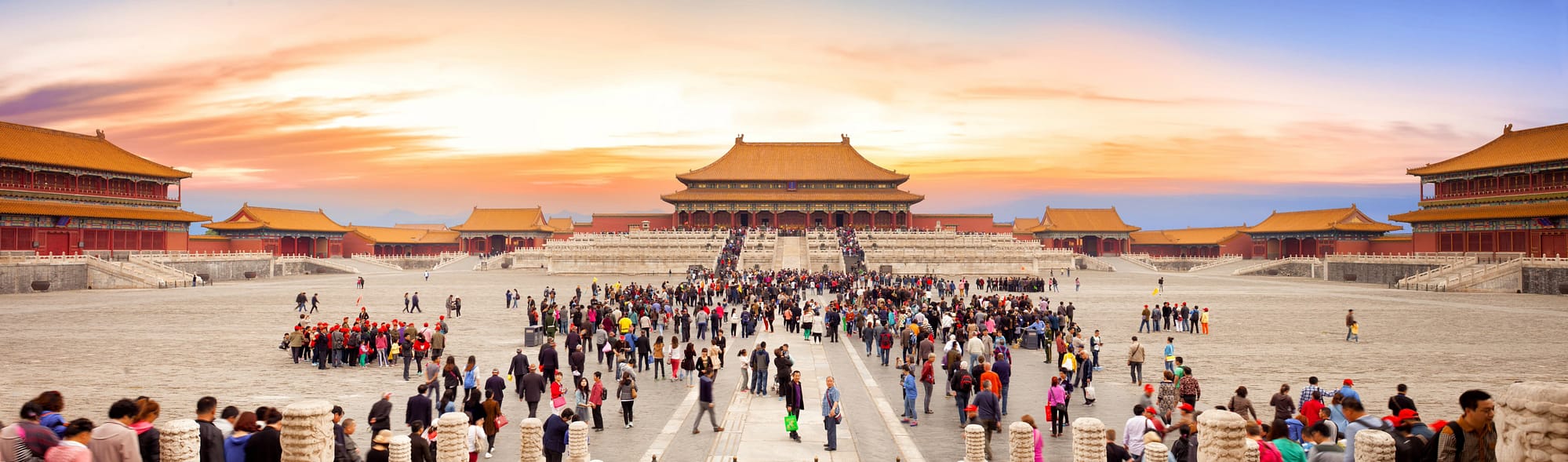
What is it? The Forbidden City is an extraordinary palace complex consisting of nearly 1,000 buildings across 250 acres, once home to 24 emperors of the Ming and Qing dynasties (1368-1912). This UNESCO World Heritage Site features meticulously arranged courtyards, grand halls with intricate carvings, golden rooftops adorned with symbolic dragon motifs, vibrant red walls, and imperial gardens. The palace was sealed from the general public for nearly 500 years, earning its "forbidden" designation.
Reason to go? Immerse yourself in centuries of imperial Chinese history through authentic architecture, precious artifacts, and meticulous preservation of court life dynamics. The Hall of Supreme Harmony showcases the majesty of imperial governance, while residential quarters reveal daily imperial existence. The sheer scale and architectural harmony create a transcendent cultural experience.
Pro tip from a local: Book tickets online in advance at the official website—they sell out during peak season. Arrive early (8:30 AM opening) to avoid afternoon crowds. Allow 2-3 hours minimum for comprehensive exploration. Download the palace map and audio guide (available at entrance) for deeper understanding. The Wanchun Pavilion provides spectacular 360-degree sunset views of Forbidden City rooftops and Beijing cityscape. Visit in spring or autumn for optimal weather.
Price: General admission: Peak season 60 CNY; Off-season 40 CNY; Optional exhibits (Treasure Gallery, Gallery of Clocks): 10 CNY each
Address: No. 4 Jingshan Front Street, Dongcheng District, Beijing
Opening hours: Tuesday-Sunday; Peak season (April 1 - October 31): 8:30 AM - 5:00 PM (last entry 4:00 PM); Off-season (November 1 - March 31): 8:30 AM - 4:30 PM (last entry 3:30 PM); Closed Mondays except national holidays
Witness the flag-raising ceremony at Tiananmen Square

What is it? Tiananmen Square is the world's largest central city square at over 400,000 square meters, capable of holding over 1 million people. This politically and culturally significant space is surrounded by the Great Hall of the People, National Museum of China, Mao Zedong Memorial Hall, and Monument to the People's Heroes. The iconic flag-raising ceremony occurs at sunrise daily, performed by the People's Armed Police Honor Guard.
Reason to go? Experience the ceremonial heart of Chinese national pride and observe one of the world's most meticulously choreographed flag ceremonies. Witness the vast spatial grandeur where pivotal moments in modern Chinese history unfolded. The square serves as the connecting point between the Forbidden City and other major Beijing attractions.
Pro tip from a local: Arrive 45-60 minutes before sunrise to secure viewing position for the flag-raising ceremony. Check sunrise times seasonally—they vary from 4:40 AM (summer) to 7:40 AM (winter). Bring valid ID (passport for foreigners) as airport-level security screening is required at all entrances. Visit early morning to avoid crowds that peak mid-day. No shade available—bring sunscreen, hat, and water, especially in summer. Combine with adjacent Forbidden City for efficient sightseeing.
Price: Free admission; Free entrance passes can be booked up to 7 days in advance via WeChat (Beijing Central Axis Heritage Protection Center)
Address: Chang'an Avenue, Dongcheng District, Beijing
Opening hours: Daily 4:00 AM - 10:00 PM (flag ceremonies at sunrise/sunset)
Admire the Summer Palace imperial garden

What is it? The Summer Palace (颐和园) is the largest and best-preserved royal garden in China, covering 727 acres with a rich history spanning over 260 years. This magnificent landscape garden is dominated by Kunming Lake and Longevity Hill, featuring authentic Ming Dynasty-inspired architecture combined with elements borrowed from the celebrated West Lake in Hangzhou. The palace showcases imperial retreat aesthetics with ornate corridors, temples, pavilions, and picturesque bridges.
Reason to go? Experience the serene beauty of imperial garden design combining water, mountains, and architecture in harmonious proportion. The "Long Corridor" stretches over 700 meters with intricate paintings along every meter. Take a dragon boat ride on Kunming Lake for unique palace perspectives, explore the Tower of Buddhist Incense for panoramic views, and hike Longevity Hill for breathtaking vistas.
Pro tip from a local: Book tickets online for better pricing and guaranteed admission during peak season. Enter via the East Palace Gate for the classic experience accessing main attractions efficiently. Take a dragon boat (approximately 100 CNY round trip) for unique water-level perspectives of palace architecture. Allow 2-3 hours for core attractions; 4+ hours for comprehensive exploration. Spring (cherry blossoms) and autumn (golden foliage) offer optimal seasonal beauty.
Price: General admission: Peak 30 CNY; Off-season 20 CNY; Combined ticket (all buildings): Peak 60 CNY; Off-season 50 CNY; Individual building tickets: 5-20 CNY each
Address: No. 19, Xinjiangongmen Road, Haidian District, Beijing
Opening hours: Public park area: Peak season (April 1 - October 31): 6:00 AM - 8:00 PM (last entry 7:00 PM); Off-season (November 1 - March 31): 6:30 AM - 7:00 PM (last entry 6:00 PM); Tourist areas (internal halls) peak: 8:00 AM - 6:00 PM; off-season: 8:30 AM - 5:00 PM; Closed Mondays except holidays
Pray at the historic Temple of Heaven

What is it? The Temple of Heaven (天坛) is China's largest ancient worship complex, originally constructed in the 15th century where Ming and Qing emperors performed annual ceremonies to pray for good harvests. This UNESCO World Heritage Site features the iconic Hall of Prayer for Good Harvests (circular building with tripartite roofs), the Circular Mound Altar, the Echo Wall, and extensive temple grounds spanning 272 acres.
Reason to go? Experience one of China's most spiritually significant sites where imperial rituals determined the nation's agricultural prosperity. The architectural harmony and sacred geometry of the temple complex demonstrate profound Chinese philosophical and religious principles. Visitors can explore the Fasting Palace where emperors purified themselves before ceremonies.
Pro tip from a local: Visit early morning (6:00-8:00 AM) to experience the temple amid locals practicing tai chi and qigong. Climb to the top of the Echo Wall for stunning views and acoustic phenomena. Allow 2-3 hours for comprehensive temple and grounds exploration. The Temple of Heaven is closed Mondays except national holidays. Combine with nearby Forbidden City and Tiananmen Square for full day of imperial sites.
Price: Admission ticket: Peak 15 CNY; Off-season 10 CNY; Joint ticket (Hall of Prayer + Echo Wall + Circular Mound Altar): Peak 34 CNY; Off-season 28 CNY
Address: No. 7, Tiantan Road, Dongcheng District, Beijing
Opening hours: Public park area: Peak season (April 1 - October 31): 6:00 AM - 10:00 PM (last entry 9:00 PM); Off-season (November 1 - March 31): 6:30 AM - 10:00 PM (last entry 9:00 PM); Tourist areas: Peak 8:00 AM - 6:00 PM; Off-season 8:00 AM - 5:00 PM; Closed Mondays except holidays
Meditate at the Lama Temple (Yonghe Temple)

What is it? The Lama Temple (雍和宫), also known as Yonghe Temple, is a magnificent Tibetan Buddhist monastery originally constructed in 1694 as a palace for Emperor Kangxi's fourth son, then converted into a formal Buddhist temple in 1744. The temple became the central hub for Tibetan Buddhist affairs under Qing Dynasty rule and remains a vital center for Tibetan Buddhism in Beijing. The complex features ornate halls, Buddha statues, prayer flags, and an authentic monastic atmosphere.
Reason to go? Experience Tibetan Buddhism's spiritual significance through authentic religious architecture, sacred imagery, and living monastic traditions. The temple's elaborate decorations, including golden Buddhas and intricate carvings, showcase Buddhist artistic mastery. Visitors witness genuine religious devotion amid active worship.
Pro tip from a local: Visit in the early morning or late afternoon to avoid mid-day crowds and experience the temple's serene atmosphere. Respect religious customs—remove hats, avoid pointing at Buddhas, and photograph respectfully. Allow 1-2 hours for comprehensive exploration. Nearby Wudaoying Hutong offers authentic Beijing snacks and traditional architecture. Combine with the nearby Confucius Temple (just 200 meters away, 30 CNY admission). The temple is accessible via Subway Line 5, Exit F.
Price: Admission ticket: 25 CNY; Children (6-18) and seniors (60+): 12 CNY; Children under 6 or under 1.2m: Free
Address: No. 12 Yonghegong Street, Dongcheng District, Beijing
Opening hours: Peak season (April 1 - October 31): 9:00 AM - 5:00 PM (last entry 4:30 PM); Off-season (November 1 - March 31): 9:00 AM - 4:30 PM (last entry 4:00 PM)
Stroll through historic Jingshan Park

What is it? Jingshan Park is a historic imperial park located directly behind the Forbidden City, offering panoramic vistas of Beijing's historic center and modern skyline. The park surrounds Jingshan (Prospect Hill), a man-made hill constructed in the 14th century that rises 50 meters above surrounding terrain, providing the highest point in central Beijing for unobstructed views.
Reason to go? Capture iconic photographs of the Forbidden City's golden roofs with mountains beyond—one of Beijing's most photographed views. Enjoy serene green space with locals practicing tai chi, flying kites, and meditating. The park connects directly to the Forbidden City's rear exit, facilitating efficient sightseeing.
Pro tip from a local: Climb to the hill's summit pavilion for spectacular 360-degree views of Forbidden City, surrounding neighborhoods, and modern Beijing skyline. Visit late afternoon for golden-hour photography from the western pavilion. Bring binoculars to observe Forbidden City details from distance. Allow 1-2 hours for park exploration. The park offers peaceful escape from Forbidden City crowds.
Price: Admission: 2 CNY (approximately €0.30); Observation pavilion access included with park entry
Address: 44 Jingshan Front Street, Xicheng District, Beijing
Opening hours: Daily 6:30 AM - 9:00 PM; Peak season extended hours possible
Explore the National Museum of China

What is it? The National Museum of China is one of the world's largest museums, exhibiting Chinese art, history, and culture spanning millennia. Located on Tiananmen Square's eastern side, this massive institution houses extensive collections of ancient bronze vessels, ceramics, sculpture, painting, calligraphy, and modern revolutionary artifacts. The museum features multiple galleries tracing China's cultural evolution from ancient times to contemporary periods.
Reason to go? Gain comprehensive understanding of Chinese civilization through authentic artifacts and scholarly presentation. The collection spans prehistoric pottery through imperial regalia to modern artistic achievements. The museum provides essential context for appreciating other Beijing historical sites.
Pro tip from a local: Register at entrance (bring passport) to receive free timed-entry tickets. Allocate 2-4 hours for meaningful exploration—the museum is extensive. Use provided audio guides (available in multiple languages) for enhanced understanding. The museum is conveniently located adjacent to Tiananmen Square for efficient combined visiting. Combine with Forbidden City for comprehensive imperial history immersion.
Price: Free admission (book timed tickets in advance)
Address: 16 East Chang'an Avenue, Tiananmen Square, Dongcheng District, Beijing
Opening hours: Tuesday - Sunday 9:00 AM - 5:00 PM (last entry 4:30 PM); Closed Mondays
Wander the Beijing Hutongs (historic neighborhoods)

What is it? Hutongs (胡同) are traditional narrow alleyways characteristic of Beijing's historic residential quarters, featuring low-rise courtyard homes (siheyuan) with distinctive architecture dating back centuries. These interconnected lanes represent authentic local Beijing life, offering glimpses into traditional neighborhoods largely unchanged from imperial times. Famous hutongs include Wudaoying Hutong, Nanluoguxiang, and areas near Lama Temple.
Reason to go? Experience authentic "real Beijing" beyond tourist attractions—observe local life, street vendors, traditional architecture, and neighborhood energy. Explore hidden teahouses, restaurants, and artisan shops within traditional courtyard spaces. The hutongs provide cultural immersion unavailable in modern development zones.
Pro tip from a local: Hire a local hutong guide for deeper understanding of neighborhood history and traditions. Visit during early morning or evening when locals are most active and atmosphere most authentic. Wudaoying Hutong near Lama Temple offers excellent restaurants and galleries. Nanluoguxiang night market provides vibrant evening atmosphere with food stalls and entertainment. Photography ethics—ask permission before photographing residents.
Price: Hutong exploration: Free; Restaurants, cafés, and shops: individual pricing
Address: Various locations throughout Beijing; Wudaoying Hutong: near Lama Temple; Nanluoguxiang: between Forbidden City and Drum Tower
Opening hours: Neighborhoods accessible 24 hours; Individual shops and restaurants have varying hours (typically 10:00 AM - 10:00 PM)
Marvel at Beihai Park's historic landscapes

What is it? Beihai Park is an imperial garden originally constructed in the 11th century, featuring Beihai Lake with scenic gardens, temples, and historic monuments. The park showcases Five-Dragon Pavilion, Jade Flower Island, Nine-Dragon Wall, and Chanfu Temple amid beautiful landscaping. The garden exemplifies traditional Chinese landscape design harmonizing water, mountains, vegetation, and architecture.
Reason to go? Escape urban hustle within peaceful imperial garden offering photo-worthy vistas, historical significance, and authentic Beijing park culture. Locals gather for tai chi, kite flying, and leisurely strolls, providing cultural immersion. Duck boat rentals enable unique water-level perspectives of garden architecture.
Pro tip from a local: Arrive early morning for peaceful atmosphere and optimal photography light. Rent a duck boat (approximately 50 CNY per person) for scenic lake cruise. Allow 1.5-2 hours for comprehensive exploration. The park connects directly to nearby Forbidden City and Jingshan Park for efficient combined visiting. Combine with adjacent Shichahai Lake for expanded sightseeing.
Price: Admission: 5 CNY (approximately €0.70); Duck boat rental: 50-70 CNY per person; Temple/pavilion visits: additional 2-5 CNY each
Address: No. 1 Wenjin Street, Xicheng District, Beijing (northwest of Forbidden City)
Opening hours: Daily 6:00 AM - 9:00 PM; Peak season extended hours possible


