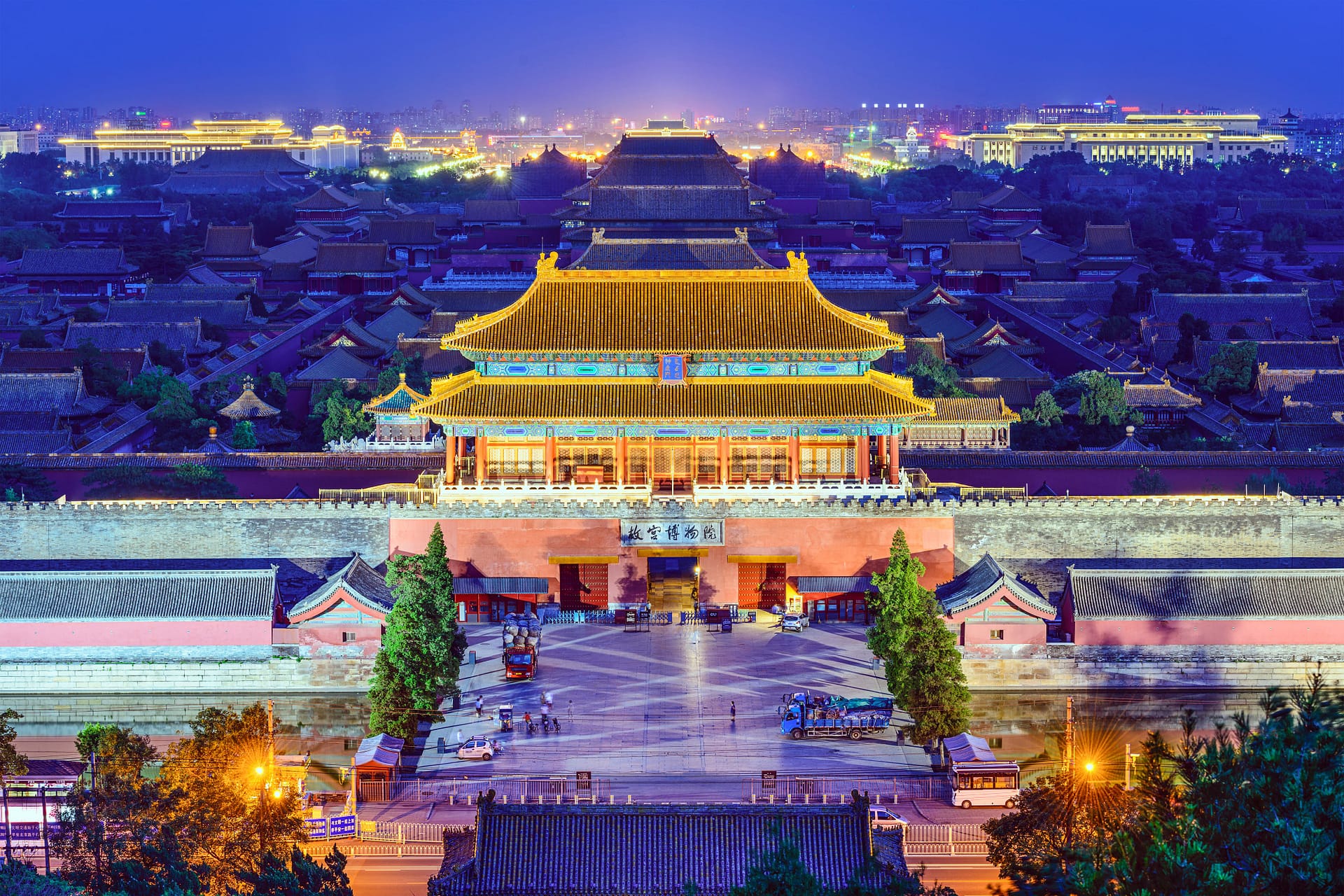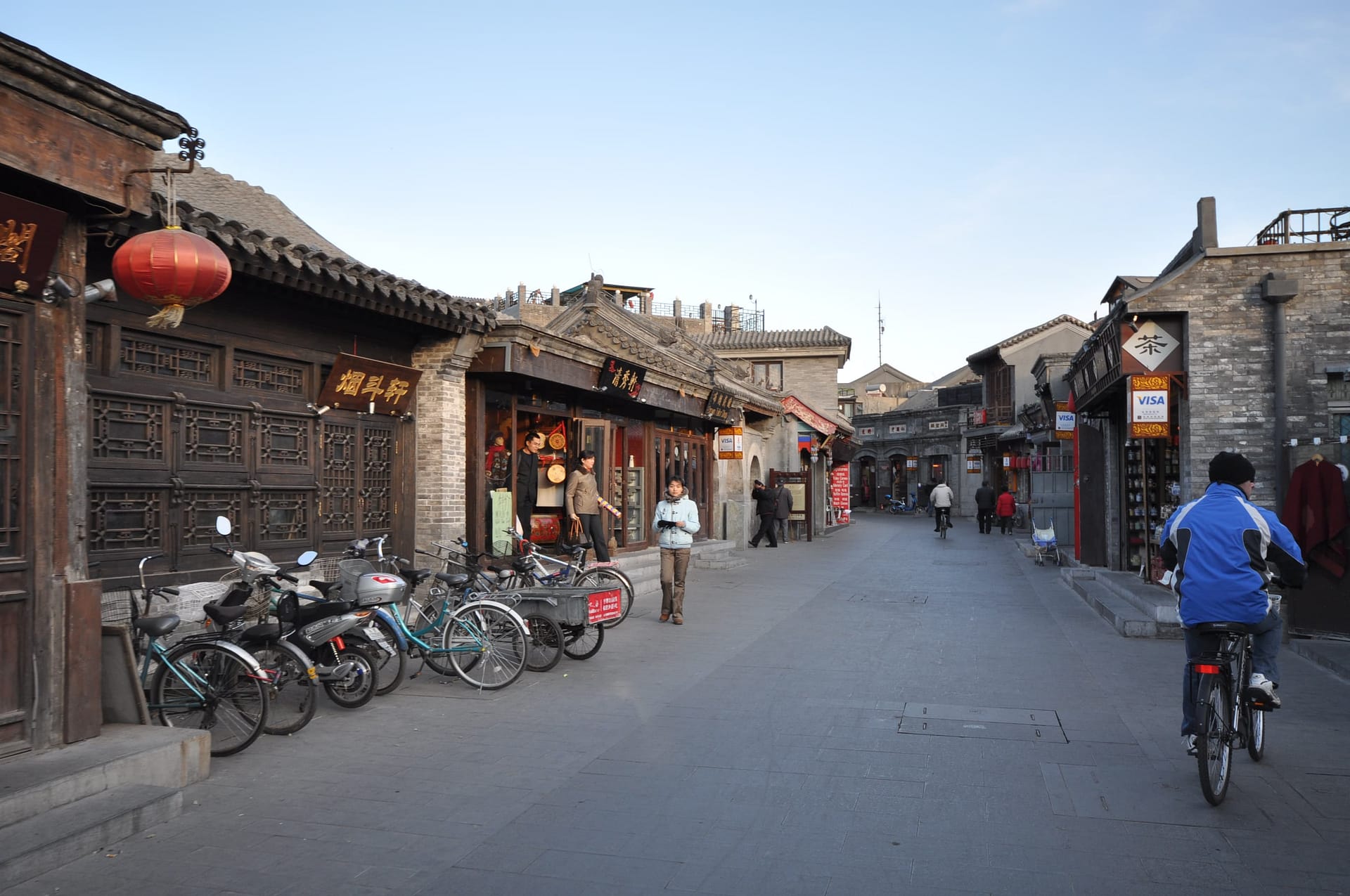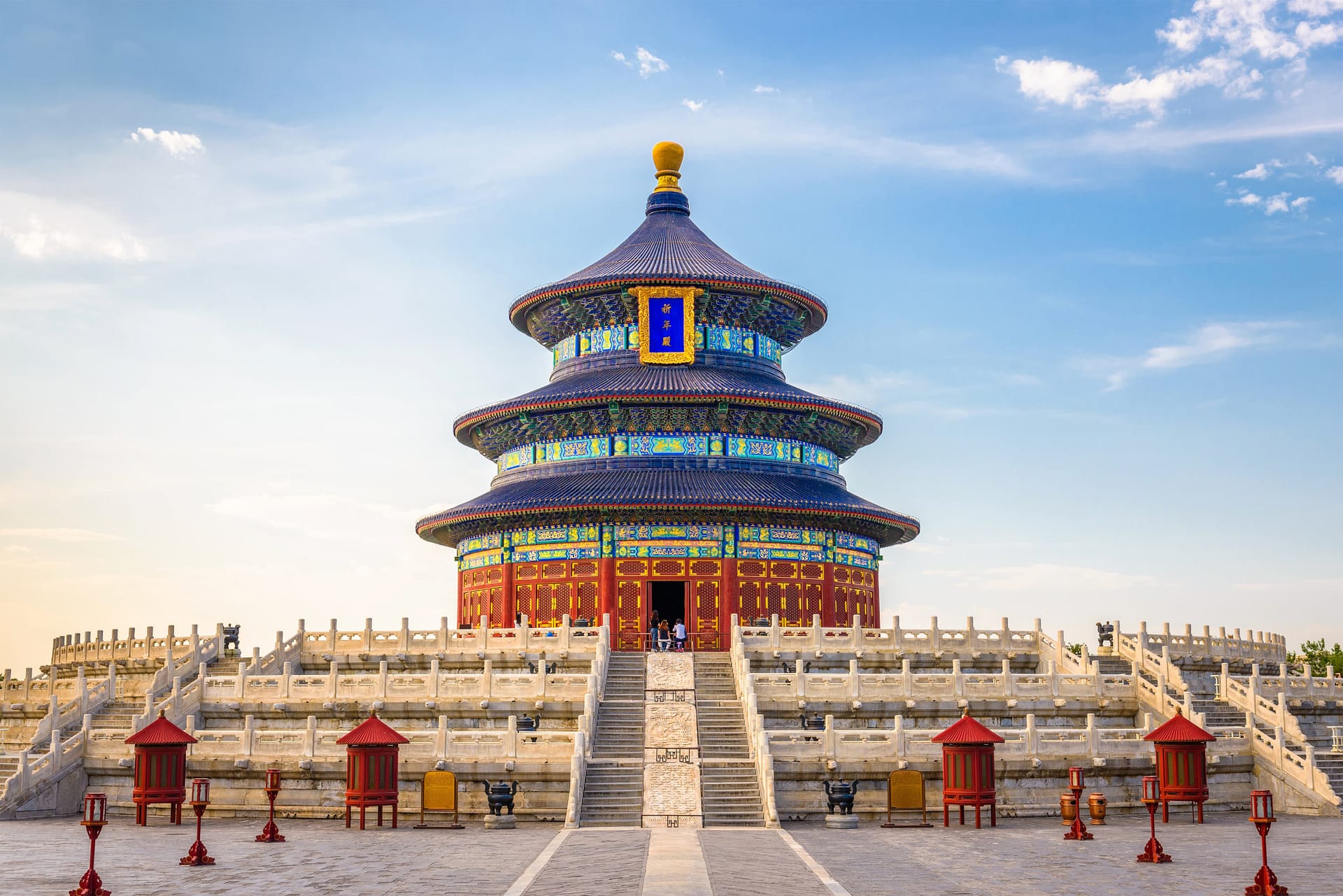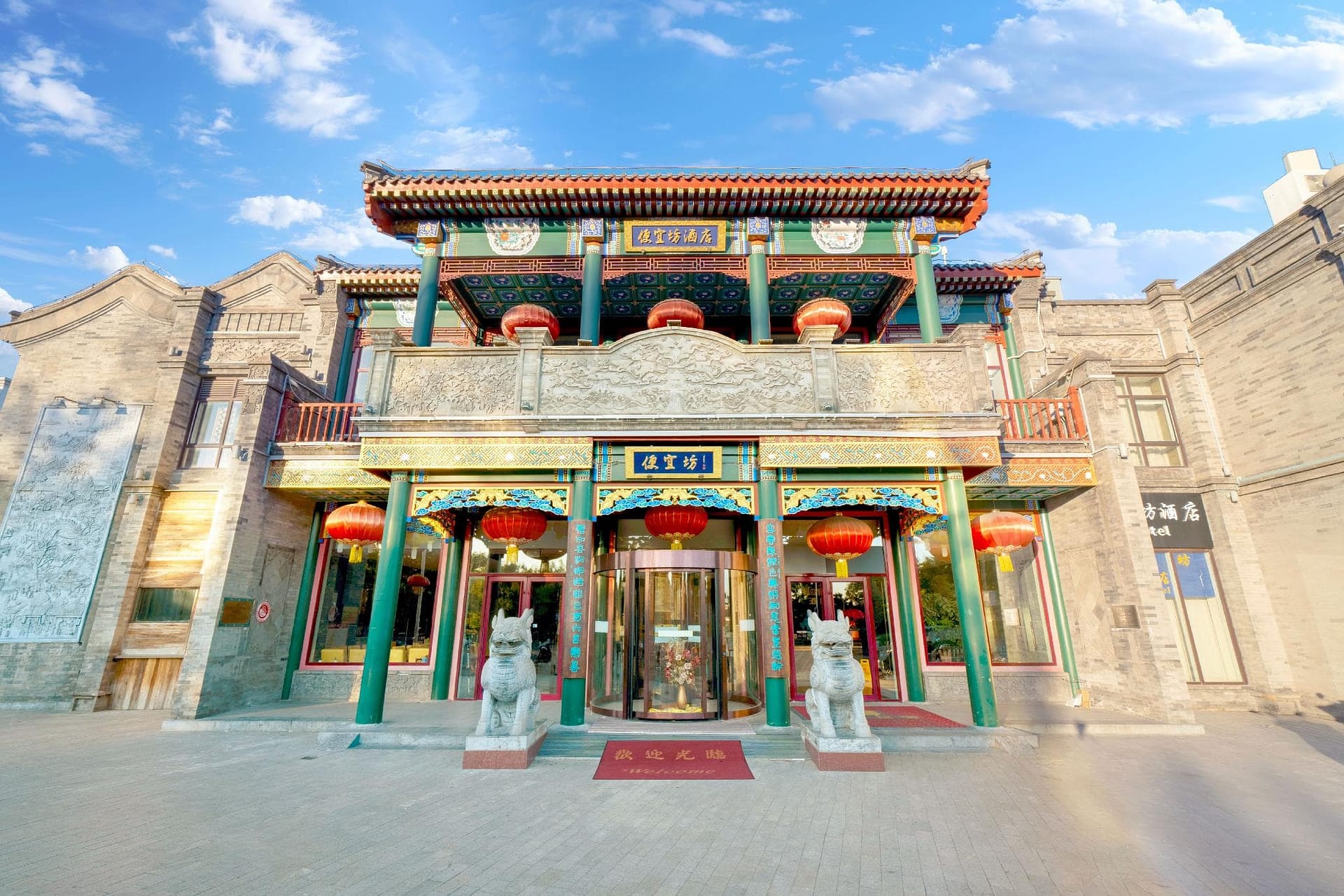


Welcome to Beijing, China's captivating capital, where thousands of years of history merge seamlessly with cutting-edge modernity. From the iconic Great Wall stretching across misty mountains to the majestic Forbidden City standing as a testament to imperial grandeur, Beijing offers an unforgettable tapestry of cultural treasures and urban wonders. Whether you're marveling at the Temple of Heaven, wandering through traditional hutong alleyways, or indulging in world-famous Peking Duck, this ancient metropolis promises experiences that will stay with you forever.
With efficient public transportation, wonderful stays, affordable street food, and a rich tapestry of attractions, Beijing welcomes millions of visitors each year seeking to connect with China's soul. This comprehensive guide will equip you with everything you need to explore Beijing like a seasoned traveler, from the best neighborhoods to the most authentic dining experiences.
About Beijing
Beijing, the capital of the People's Republic of China, is one of the world's oldest cities with a continuous history spanning over 3,000 years. Located in northeastern China, this sprawling metropolis covers 17,000 square kilometers and is home to a population exceeding 21 million people, making it the second-largest city in mainland China. The city's significance runs deep through Chinese civilization—it served as the capital during the Liao (916–1125), Jin (1115–1234), Yuan (1271–1368), Ming (1368–1644), and Qing (1644–1911) dynasties, during which 34 emperors ruled from within its walls.
Beijing is fundamentally divided into old and new: the old city preserves centuries-old traditions through its historic palaces, temples, and hutongs (narrow alleyways), while the new city showcases modern skyscrapers, advanced technology, and contemporary culture. The famous Peking Man remains, discovered in the Zhoukoudian area, represent evidence of human habitation dating back 500,000 years, making Beijing a true cradle of humanity. Today, Beijing stands as a global city and the political, cultural, and educational hub of China, housing over sixty universities and serving as the center for Chinese arts, entertainment, and business.
Why Go to Beijing
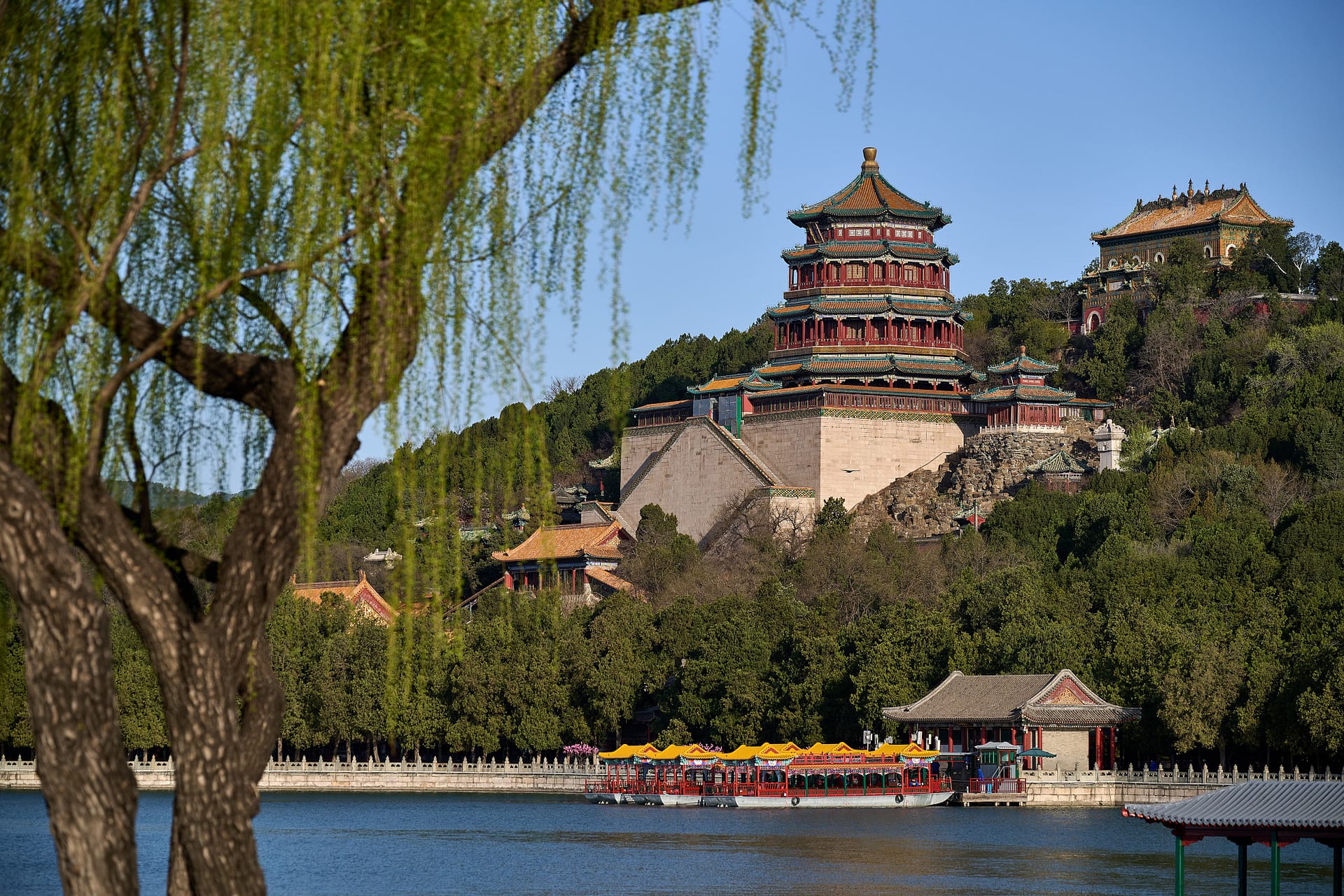
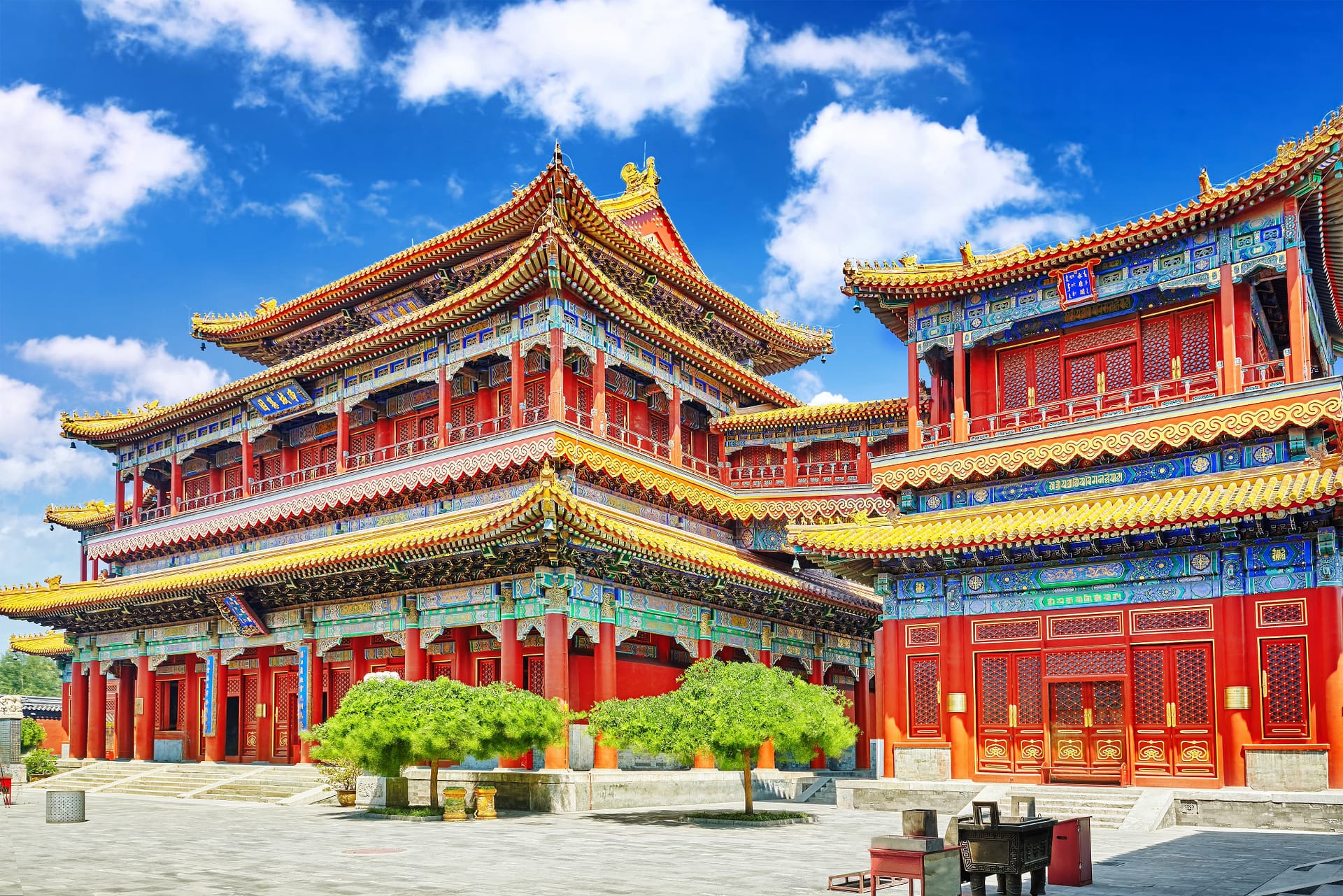
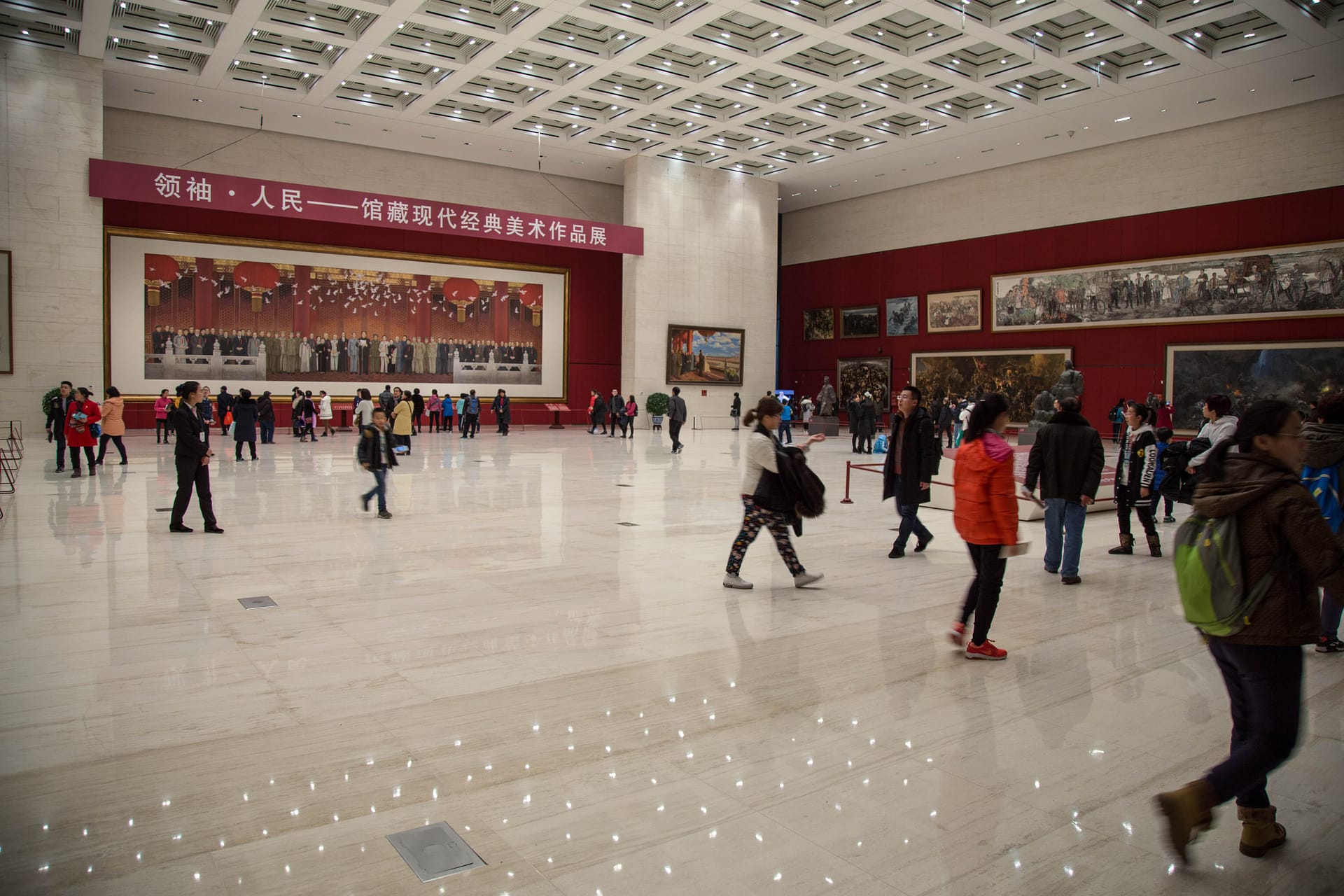
Beijing is an unmissable destination for travelers seeking an authentic immersion into Chinese history and culture. The city houses some of the world's most iconic landmarks, including the Great Wall of China (one of the Seven Wonders of the Medieval World), the Forbidden City (the most magnificent imperial palace in China consisting of 90 palaces, 980 buildings, and 8,704 rooms), the Summer Palace (the largest imperial garden best preserved in China), and the Temple of Heaven (the most famous temple in Beijing and one of the largest sacred sites in China). Beyond these UNESCO World Heritage sites, Beijing offers a window into authentic Chinese life through its historic hutongs, vibrant night markets, and thriving food scene.
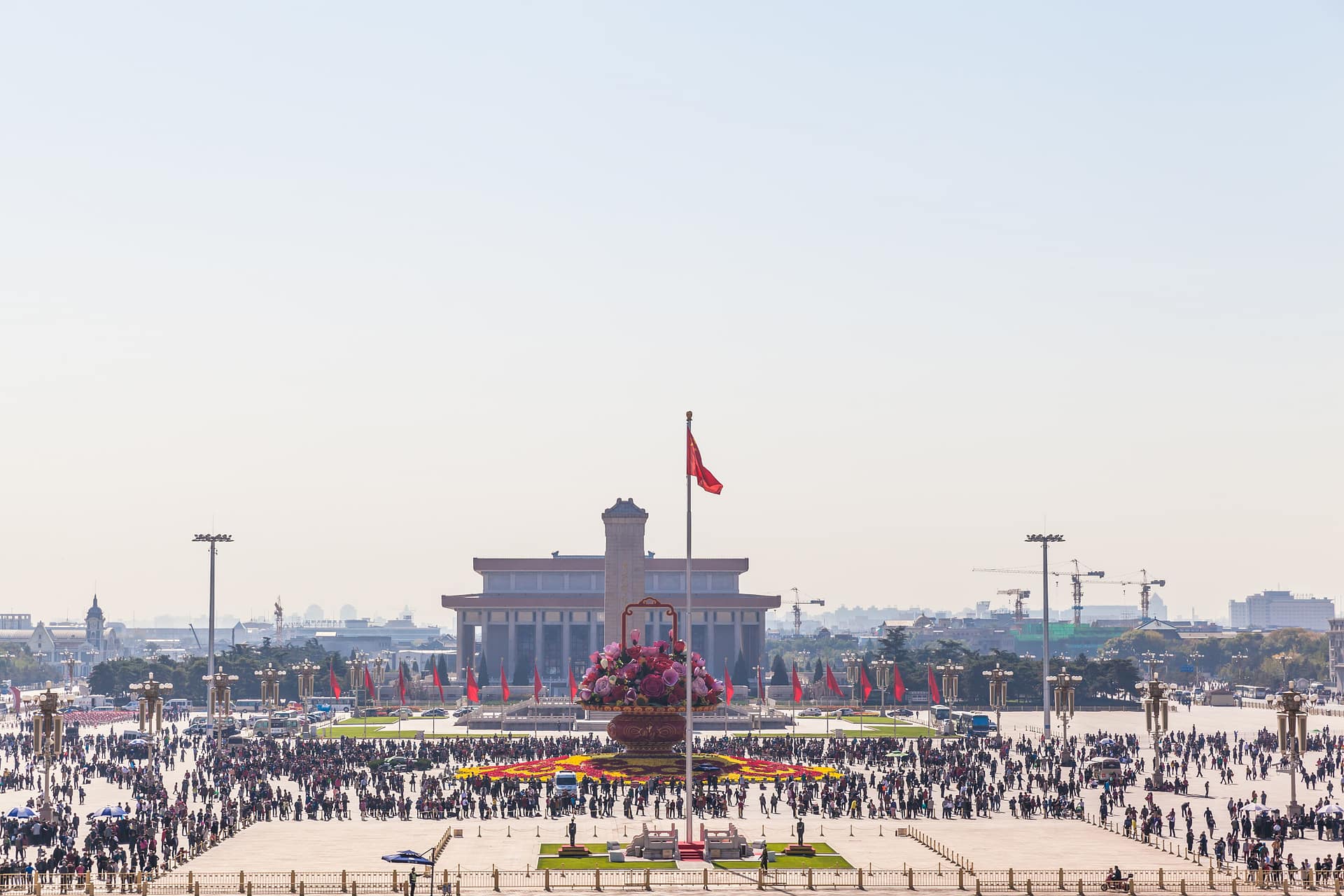
The city uniquely blends ancient traditions with modern innovation—you can visit the solemn Tiananmen Square (the largest city square in the world at 880 by 500 meters) and the futuristic Beijing Olympic Park on the same day. For culture enthusiasts, Beijing hosts the Beijing International Film Festival, offers acrobatic performances rooted in centuries-old traditions, and celebrates numerous temple fairs where visitors can experience local customs firsthand. Food lovers will discover that Beijing is a gastronomic paradise, from the legendary Peking Duck to humble street crepes (jianbing) that cost just $1.50. Whether you're a history buff, food enthusiast, architecture lover, or cultural explorer, Beijing delivers an experience that fundamentally changes how you understand China and the world.
Best of Beijing
Best Hotels in Beijing

Best Things to Do in Beijing

Beijing Travel Tips
Best Time to Go
Beijing's climate follows a continental monsoon pattern with four distinctly pronounced seasons, each offering different experiences and travel considerations.
Spring (March–May): Spring offers mild temperatures between 5–25°C (41–77°F) with low humidity. Cherry blossoms, peach blossoms, cherry blossoms, and magnolias bloom throughout parks like Yuyuantan and the Summer Palace, adding spectacular colors to the landscape. However, early spring can be windy with occasional dust storms, so pack a light jacket and scarf. This is an excellent time for outdoor activities like visiting the Great Wall or exploring temple sites without overwhelming summer crowds.
Summer (June–August): Beijing summers are intensely hot and humid, with temperatures ranging from 24–38°C (75–100°F). July and August see concentrated rainfall, with precipitation accounting for over 50% of the year's annual total. Summer is the busiest tourist season due to school holidays and numerous festivals, resulting in crowded attractions and higher prices. Air conditioning is essential, and you'll need light, breathable clothing and sun protection.
Autumn (September–November): This is widely considered the best time to visit Beijing. Temperatures range from 20–26°C (68–79°F), the weather is clear, dry, and comfortable—neither too hot nor too cold. Autumn brings stunning natural beauty with red maple leaves and golden ginkgo foliage, making it perfect for outdoor exploration. The Fragrant Hill features particularly breathtaking red maples, while Mutianyu Great Wall displays stunning fall colors.
Winter (December–February): Winters are cold and dry, with temperatures between -4°C and 4°C (25–39°F). December and January have the highest probability of snowfall, creating picturesque views of the Forbidden City and Summer Palace blanketed in white. This is the slack season with fewer tourists and significantly lower prices for accommodations, hotels, and attractions. The downside is the biting cold and occasional strong winds that make sightseeing uncomfortable without proper winter gear.
The best months to visit Beijing are April–May and September–October. These shoulder seasons offer the perfect balance of pleasant weather, manageable crowds, and reasonable prices. Avoid visiting during China's major public holidays, particularly May Day (May 1–5) and the Chinese National Day Holiday (October 1–7), when millions of domestic tourists descend on Beijing, creating impossibly long queues at attractions and dramatically higher travel costs.
Weather in Beijing
How to Save Money in Beijing
Stay in budget accommodations outside tourist centers Youth hostels in Beijing cost around CN¥ 50–150 ($7–21 USD) per night for shared or private rooms, offering facilities like shared kitchens and laundry areas. Alternatively, choose guesthouses and capsule hotels in less touristy neighborhoods or use platforms like Airbnb for vacation rentals at about one-third the price of standard hotels. The average mid-range hotel in central Beijing costs CN¥ 800–1,200 ($110–180 USD) per night, so budget accommodations save substantial money over multi-day stays.
Use efficient public transportation The Beijing Subway is one of the world's cheapest metro systems, with fares as low as CN¥ 3 ($0.40 USD) for the first 6 kilometers, capped at around CN¥ 9 ($1.20 USD) for longer rides. Get a Yikatong transportation smart card (requiring a refundable CN¥ 20/$2.87 deposit) that offers slightly lower fares than cash tickets and works on subways, buses, and airport express trains. Trains arrive every 2–5 minutes with English announcements, covering nearly every major attraction in the city.
Download metro navigation apps before arrival
Apps like Explore Beijing Subway or MetroMan work offline and are available in English, helping you plan routes without guesswork or stress. These apps are essential for navigating Beijing's 25+ subway lines and 400+ stations efficiently, especially if you don't have reliable internet access. Familiarizing yourself with the metro map before arrival streamlines your entire Beijing experience.
Understand scam hotspots and avoid tourist traps
While Beijing maintains exceptionally low violent crime rates, sophisticated scams specifically target foreign tourists in popular areas. The most common scheme involves strangers inviting visitors to nearby establishments for "tea" or "massage," then presenting exorbitant bills (sometimes thousands of dollars) enforced through intimidation. Tiananmen Square, the Bund, and crowded markets witness concentrated scam activity. Avoid accepting drinks or services from unknown individuals; politely decline invitations that seem suspicious. Stick to well-established restaurants and attractions in tourist zones when uncertain.
Check currency carefully and use ATMs wisely
Counterfeit banknotes, particularly CN¥ 100 notes, are increasingly common in Beijing and can even be received from ATMs. Banks will not replace counterfeit notes, so carefully examine all bills before accepting them—it's perfectly normal to ask for new notes in China. When withdrawing cash from ATMs, inspect notes before leaving and check your balance to avoid receiving fakes unintentionally.
Culture & Customs
Beijing's culture is deeply rooted in thousands of years of tradition and Confucian values, emphasizing respect, hierarchical relationships, and proper etiquette. When greeting people, handshakes are increasingly common, especially in professional settings, though they tend to be softer and shorter than Western handshakes. Always address people formally using their last name followed by a title (e.g., "Manager Wang" or "Professor Li") to show respect, particularly in business environments. When meeting someone for the first time, it's courteous to bring a small gift—ideally in red packaging, as red symbolizes good fortune, while white and black are considered ominous colors. Avoid giving clocks or pears as gifts, as these words sound like death in Chinese.
Punctuality is highly valued in Chinese culture; being late shows disrespect for others' time. When invited to someone's home, bring fruit, sweets, or tea as a token of appreciation. In dining situations, it's important to try everything served to you and leave as little food as possible on your plate, as leaving food uneaten can offend the cook. When a dinner companion raises their glass for a toast (often saying "ganbei," meaning "cheers"), you should reciprocate by lifting your own glass—declining to drink is considered rude. During celebrations, it's traditional to give money in red envelopes called "Hong Bao" on birthdays and weddings. Finally, respect elders by greeting them first at meetings and allowing them to sit first at dinner tables, using the polite form of "you" (nin in Mandarin) when addressing those older than you.
What to Eat
Beijing's cuisine is distinctly different from southern Chinese food, featuring hearty, wheat-based dishes like noodles, dumplings, and pancakes rather than rice. The undisputed crown jewel is Peking Duck, a delicacy with over 600 years of history in the capital. This iconic dish features duck with crispy, golden skin served with thin pancakes, hoisin sauce, and sliced vegetables. Renowned restaurants like Quan Jude (32 Qianmen Street) and Da Dong (Floor 6, Donghua Gold Street Shopping Center, 301 Wangfujing Street) are famous for traditional preparations, while locals often regard Da Dong as the best in the city, blending tradition with innovation.
Beyond Peking Duck, jianbing (savory crepes) is one of China's most popular street breakfast foods, consisting of a wheat and grain flour batter cooked on a griddle, topped with fillings like crispy fried crackers, scallions, coriander, and hoisin sauce—cost is just $1.50 at street stalls. Zhajiangmian (noodles with soybean paste) is a simple yet authentic dish served cold with cucumber and optional peanuts, found everywhere in small restaurants. Hot pot (huoguo) is a communal dining experience where diners cook fresh ingredients in a simmering broth at their table; Dong Lai Shun Restaurant (No. 44, Dongjiaominxiang Road, near Tiananmen Square) serves traditional Beijing hot pot in charcoal copper chimneys. Street food markets like Wangfujing Snack Street (over 2,000 square meters, open 24 hours) feature more than 500 kinds of local snacks from across China, including malatang (spicy numbing hot pot), lamb skewers (chuanr), dumplings (jiaozi), and youtiao (deep-fried breadsticks). Guijie Street (open 24 hours), surrounded by embassies and convenient for foreigners, has over 150 restaurants featuring authentic Chinese cuisines, specializing in dishes like luzhuhuoshao (wheaten cake in meat broth) and baodu (boiled lamb tripe). The Longfu Temple Snack Restaurant gathers traditional Beijing snacks in one place, including fermented soybean juice, deep-fried doughnuts, fried livers, and various kebabs. For authentic dumpling experiences, visit local restaurants throughout residential neighborhoods where dumplings (jiaozi) and soup dumplings (xiao long bao) cost just a few dollars for large portions.
Safety
Beijing is generally a safe city for travelers with a medium overall risk level, particularly if you remain watchful of your belongings and avoid isolated areas. Serious crimes against foreigners are relatively rare, though petty crimes like pickpocketing do occur with high frequency in crowded places such as major tourist sites, public transport, shopping streets, airport areas, and night markets. The biggest safety concern is pickpocketing, which often involves organized teams that distract victims while stealing valuables. To mitigate this risk, keep valuables in secure locations, use money belts, never leave bags unattended, and stay alert at tourist hotspots and on crowded public transportation.
Occasional incidents of taxi fraud occur when drivers claim passengers misunderstood the fare; always take official taxis, insist on paying the meter fare, and request a receipt (fapiao) with the taxi number for disputes. Natural disasters like air pollution, typhoons, and occasional earthquakes are possible risks; follow local authorities' advice if such incidents occur. Terrorism risk is low but cannot be completely ruled out, particularly during holidays and in crowded places. In general, maintaining common sense awareness, following local advice, and taking standard urban precautions will ensure a safe Beijing experience. Emergency numbers include 110 for police and the anti-pickpocket hotline at 13911991234 for immediate assistance in crowded areas.
How to Get Around Beijing
Beijing's extensive subway network is the most efficient, affordable, and tourist-friendly way to navigate the city, with 25+ lines, 490+ stations, and trains arriving every 2–5 minutes from early morning (5 am) until late evening (11 pm, with some lines running until midnight). The subway covers nearly all major attractions, including the Forbidden City, Temple of Heaven, Summer Palace, and Wangfujing Street, making it the ideal choice for budget-conscious travelers. Fares are incredibly affordable, ranging from CN¥ 3–9 ($0.40–$1.20 USD) depending on distance, making it cheaper than any taxi ride. Purchase a rechargeable Yikatong Smart Card (CN¥ 20/$2.87 refundable deposit) at any subway station; simply top it up with CN¥ 50–100 ($7–15 USD) and tap your card at entry and exit gates, with the system automatically calculating distance-based fares. The entire network features English-language announcements and signage, making it easy for non-Chinese speakers to navigate confidently.
Beyond the metro, taxis are widely available but should only be official taxis with metered rates to avoid fare disputes; always insist on the meter and request a receipt with the taxi number for reference. The Airport Express train connects Beijing Capital International Airport to downtown for CN¥ 25 (around $3.50 USD). For day trips to the Great Wall or Summer Palace, hire a driver through your hotel or use organized tours, as public buses require Mandarin language skills and can be confusing for first-time visitors. English-language metro apps like Explore Beijing Subway or MetroMan make route planning effortless and work offline, ensuring you'll never get lost.
Entry & Exit Requirements
For USA citizens traveling to Beijing, a tourist visa (L visa) is required. Your passport must have at least 6 months of remaining validity and a minimum of two blank visa pages. The application process is straightforward for American citizens—you'll need to fill out the visa application form and submit your passport; no proof of hotel bookings, flights, or itineraries is necessary, unlike many other nationalities. You can apply through Chinese visa service centers located in major US cities, online through visa processing services, or in-person at a Chinese embassy or consulate. Processing typically takes 5–10 business days depending on your chosen method.
Alternatively, Beijing offers a "port visa" option for travelers facing emergencies: you can apply via email to bjcrjka@nia.gov.cn to receive a Pre-Acceptance Receipt to board your flight, then complete the visa application process at 24/7 Port Visa Offices in Beijing Capital Airport with an allowed stay of up to 30 days. The standard tourist visa typically permits stays of up to 30 days, with the possibility of extending for cumulative stays not exceeding 90 days within any 180-day period. Ensure you apply for your visa well before travel as processing times vary, and always carry your passport and visa with you while in China, as police may request them for verification. For more information, check out both the U.S. Department of State's website as well as the Embassy of the People's Republic of China's website.