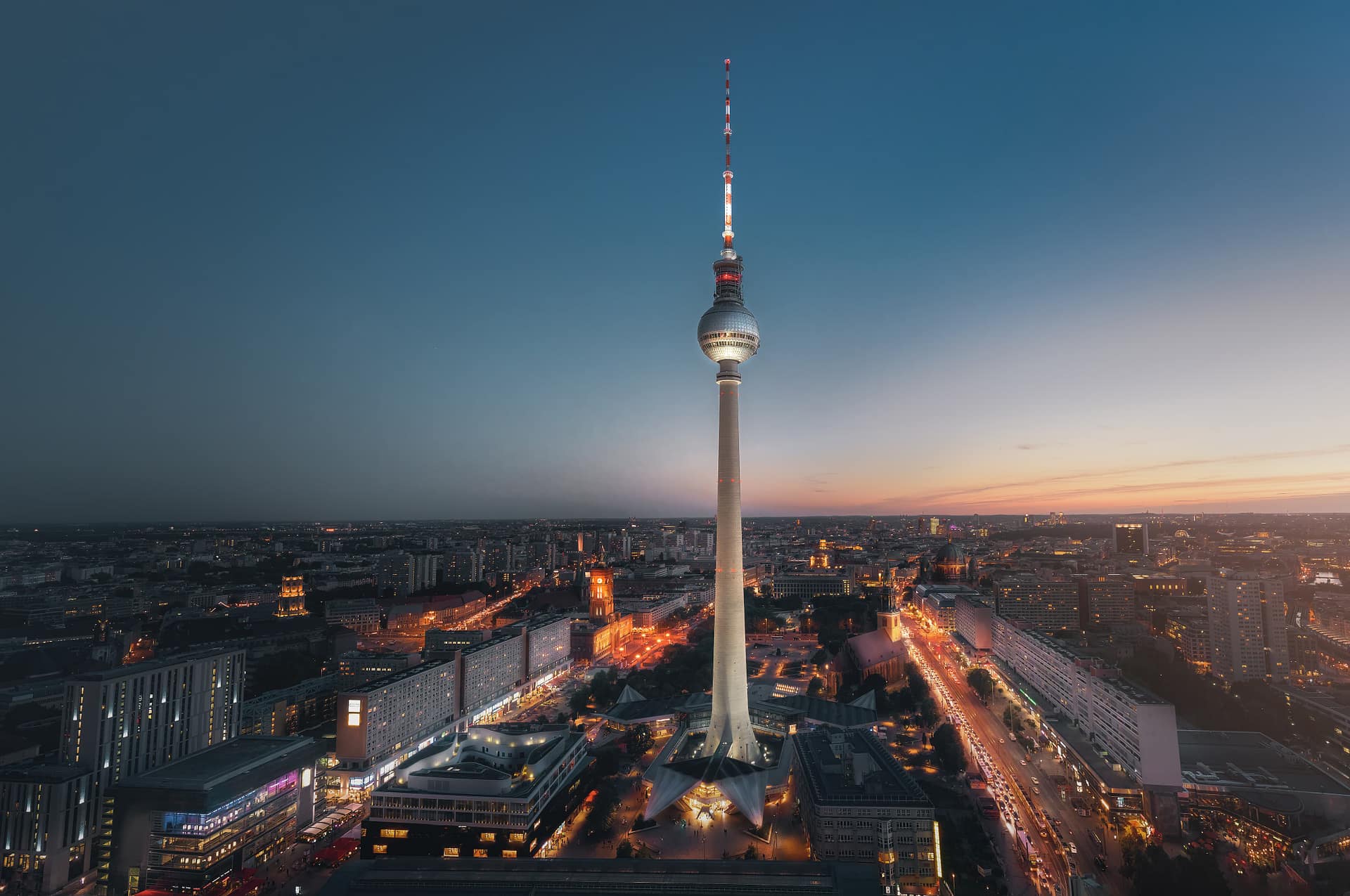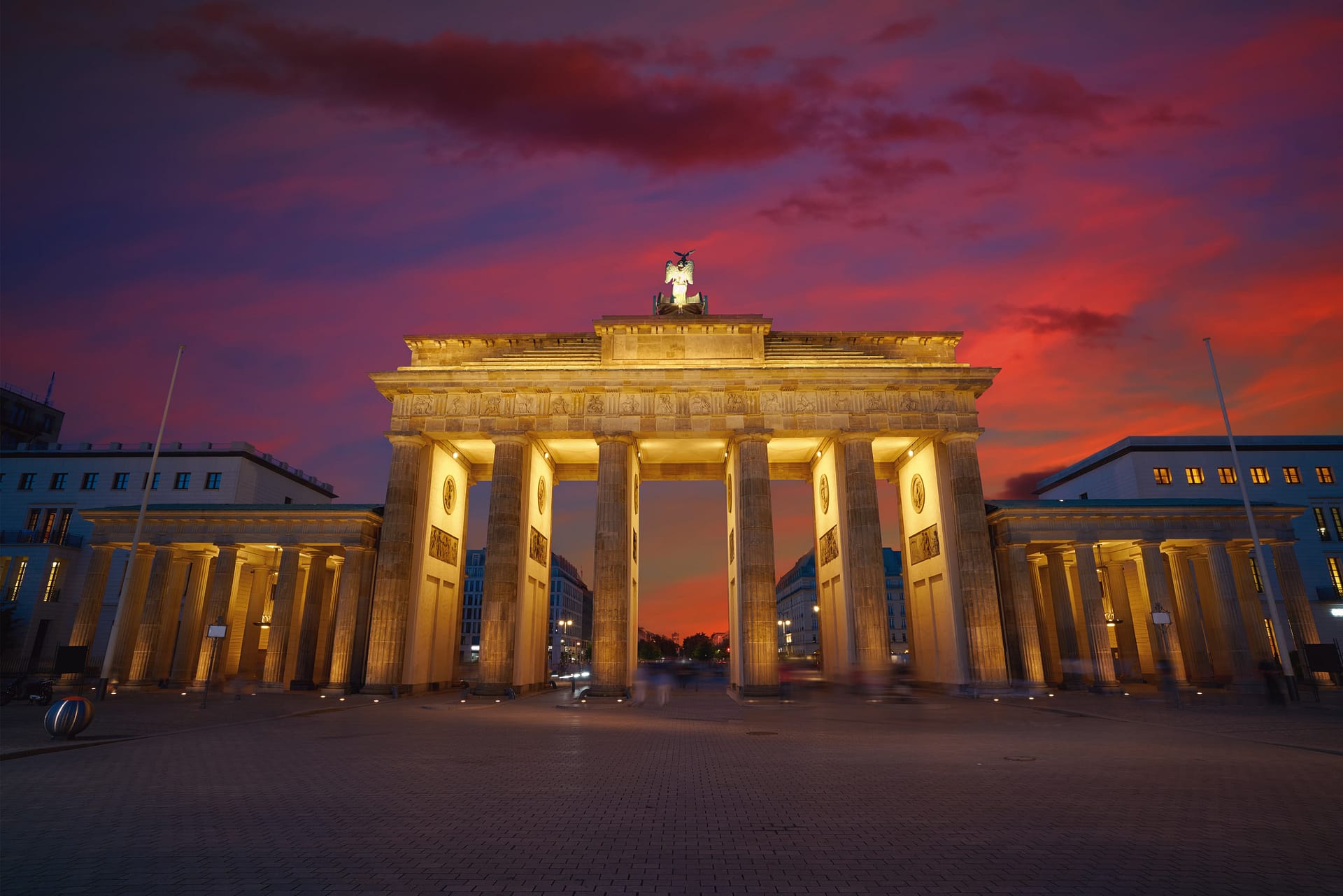


Berlin is a city where history breathes from every corner, yet simultaneously pulses with ultra-modern energy and vibrant creativity. Germany's capital has transformed from a symbol of division into one of Europe's most captivating destinations, seamlessly blending the scars of its turbulent past with cutting-edge art, world-class museums, and an electrifying nightlife scene. Whether you're standing before the Brandenburg Gate, exploring the haunting memorials of the Holocaust, or pedaling along the Spree River through leafy neighborhoods, Berlin offers an intoxicating mix of education and entertainment that appeals to history buffs, culture seekers, foodies, and party-goers alike.
What makes Berlin truly remarkable is its accessibility—it's one of the cheapest capital cities in Western Europe, meaning you can experience all its grandeur without breaking the bank. From the edgy street art of Kreuzberg to the upscale cafés of Prenzlauer Berg, from authentic currywurst stands to Michelin-starred restaurants, Berlin rewards both the rushed tourist and the leisurely explorer. This guide will help you navigate the city's 12 distinct boroughs, uncover hidden gems, master the public transport system, and maximize every euro of your travel budget.
About Berlin
Berlin is the capital and largest city of Germany, with a population of approximately 3.8 million people within the city proper and over 5.9 million in the greater metropolitan area. Situated in northeastern Germany on the Spree River, Berlin is a sprawling metropolis divided into 12 distinct boroughs, each with its own unique character and atmosphere. The city's geography is dominated by leafy boulevards, grand Neoclassical buildings, industrial-era warehouses converted into trendy galleries, and expansive parks that offer respite from urban bustle.
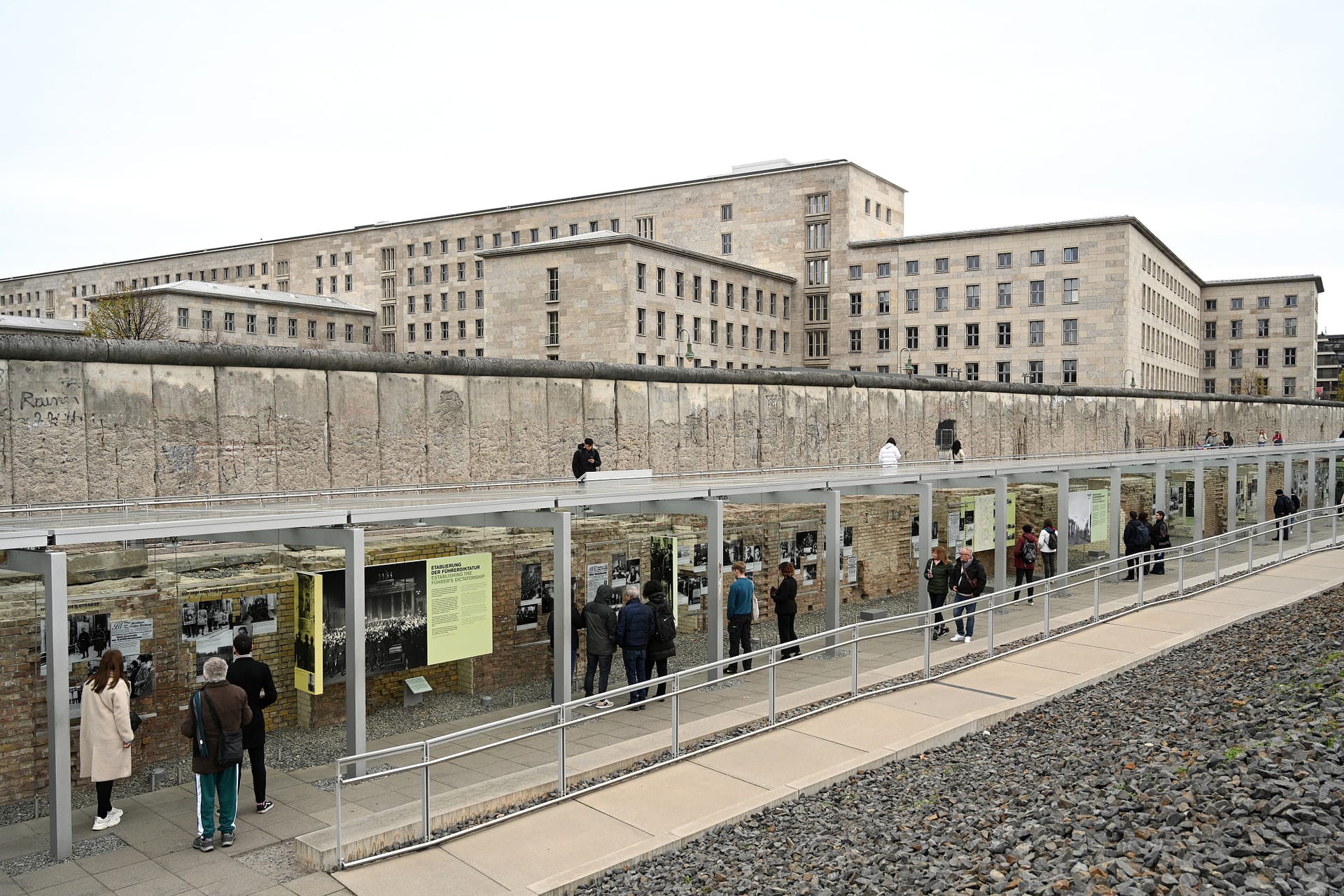
What sets Berlin apart from other European capitals is its remarkable history—a history that's not relegated to textbooks but visibly woven into the urban landscape. The city served as the capital of the German Empire, flourished during the Golden Twenties, suffered devastating destruction during World War II, and was subsequently divided between East and West during the Cold War. The fall of the Berlin Wall in 1989 and the subsequent reunification in 1990 fundamentally shaped the city's identity. Today, Berlin remains a living museum of the 20th century, where you can literally walk across the former border and witness how the two halves have been rebuilt, reimagined, and reunited. The city has emerged as a global center for creativity, attracting artists, musicians, designers, tech entrepreneurs, and digital nomads from around the world who are drawn to its affordable living costs, anything-goes attitude, and progressive cultural values.
Why Go to Berlin
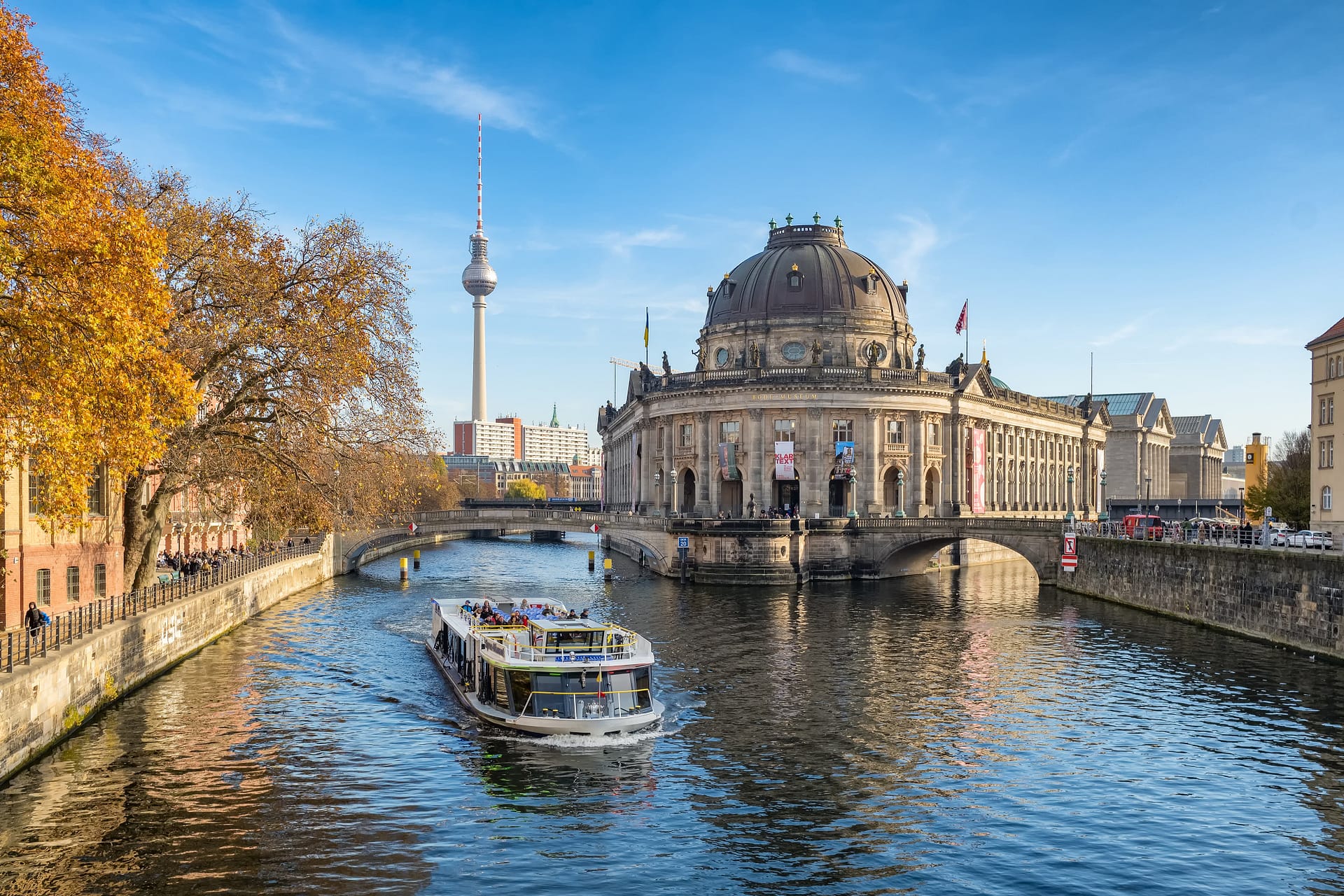
Berlin offers something for virtually every type of traveler. History enthusiasts will find themselves immersed in powerful memorials and museum collections that document some of humanity's most significant moments—both triumphant and tragic. The city's museums, particularly those on UNESCO-listed Museum Island, house world-class collections of art, antiquities, and cultural artifacts that rival those of Paris, London, or New York. Cultural explorers will be enchanted by the city's thriving contemporary art scene, street art culture, cutting-edge galleries, and experimental performance spaces that challenge and inspire in equal measure.
For foodies, Berlin has evolved into a culinary powerhouse where traditional German cuisine meets international influences, Turkish kebab culture coexists with fine dining establishments, and street food stands serve some of Europe's most authentic and affordable meals. The city's neighborhoods each offer distinct dining scenes—from the trendy cafés of Kreuzberg to the artisanal markets of Prenzlauer Berg to the gourmet restaurants of Charlottenburg.
Nightlife seekers flock to Berlin for its legendary club scene, where electronic music, techno, and house music culture thrive in venues ranging from underground warehouses to sophisticated nightclubs that operate until dawn. The city's anything-goes atmosphere means there's entertainment for every taste and every hour of the night.
Budget travelers love Berlin because it delivers high-impact experiences without the high-impact prices. You can enjoy world-class museums, eat delicious meals, explore vibrant neighborhoods, and experience a capital city's sophistication while spending significantly less than you would in London, Paris, Amsterdam, or other Western European capitals. The abundance of free attractions, affordable public transport, and inexpensive accommodations make Berlin one of Europe's most accessible major cities.
Best of Berlin
Best Hotels in Berlin

Best Things to Do in Berlin

Berlin Travel Tips
Best Time to Go
Berlin's continental climate creates distinct seasonal experiences, each with particular advantages and trade-offs for different traveler preferences.
Spring (March-May) offers mild temperatures ranging from 10°C to 20°C (50°F to 68°F) as the city awakens from winter. Parks and gardens burst into bloom with vibrant colors, making the city exceptionally photogenic. This is when Berliners themselves venture outdoors, creating a lively atmosphere. Spring also features notable events like the Berlin Film Festival (Berlinale) in February and the Karneval der Kulturen (Carnival of Cultures) in May.
Summer (June-August) is the peak tourist season with warm, pleasant temperatures ranging from 20°C to 27°C (68°F to 80°F). While the weather is ideal for exploring outdoors and beer gardens thrive with activity, expect larger crowds and significantly higher accommodation prices. Summer heat can occasionally spike, and humidity levels rise. However, the extended daylight hours and numerous outdoor festivals make summer appealing for those who don't mind crowds.
Autumn (September-November) begins warm and gradually cools, with September and early October offering some of the year's most comfortable weather—similar to spring with temperatures between 10°C and 20°C. The city experiences fewer tourists than summer, making it easier to visit major attractions without overwhelming crowds. Notable autumn events include the Berlin Marathon (September) and the Festival of Lights in October, when iconic landmarks are illuminated with projection art.
Winter (December-February) brings cold temperatures ranging from -2°C to 5°C (28°F to 41°F), with frequent snowfall creating a picturesque atmosphere. While many travelers avoid winter, it offers distinct advantages: significantly lower accommodation prices, minimal queues at museums and attractions, and the magical Berlin Christmas markets—particularly at Alexanderplatz and Charlottenburg Palace. The city's thriving indoor culture of museums, theaters, galleries, and cozy cafés makes winter ideal for those who prefer cultural activities and don't mind cold weather.
May, June, September, and October offer the perfect blend of comfortable weather (18-25°C), manageable crowds, reasonable prices, and numerous outdoor events and activities. May and September are particularly special as locals embrace the spring and early autumn seasons with festivals and outdoor gatherings.
Weather in Berlin
How to Save Money in Berlin
Use public transportation strategically Berlin's public transport is affordable and efficient; it's unnecessary to use taxis or ride-sharing services. The 4-trip ticket (Vier-Fahrten-Karte) at €12.40 drops the per-ride cost to just €3.10, while a 7-day ticket at €44.60 provides unlimited travel. For day visitors, the 24-hour ticket at €11.20 is excellent value. Single tickets cost €4.00 and remain valid for 2 hours with unlimited transfers. Download the BVG Fahrinfo app for easy ticket purchases and real-time transit information.
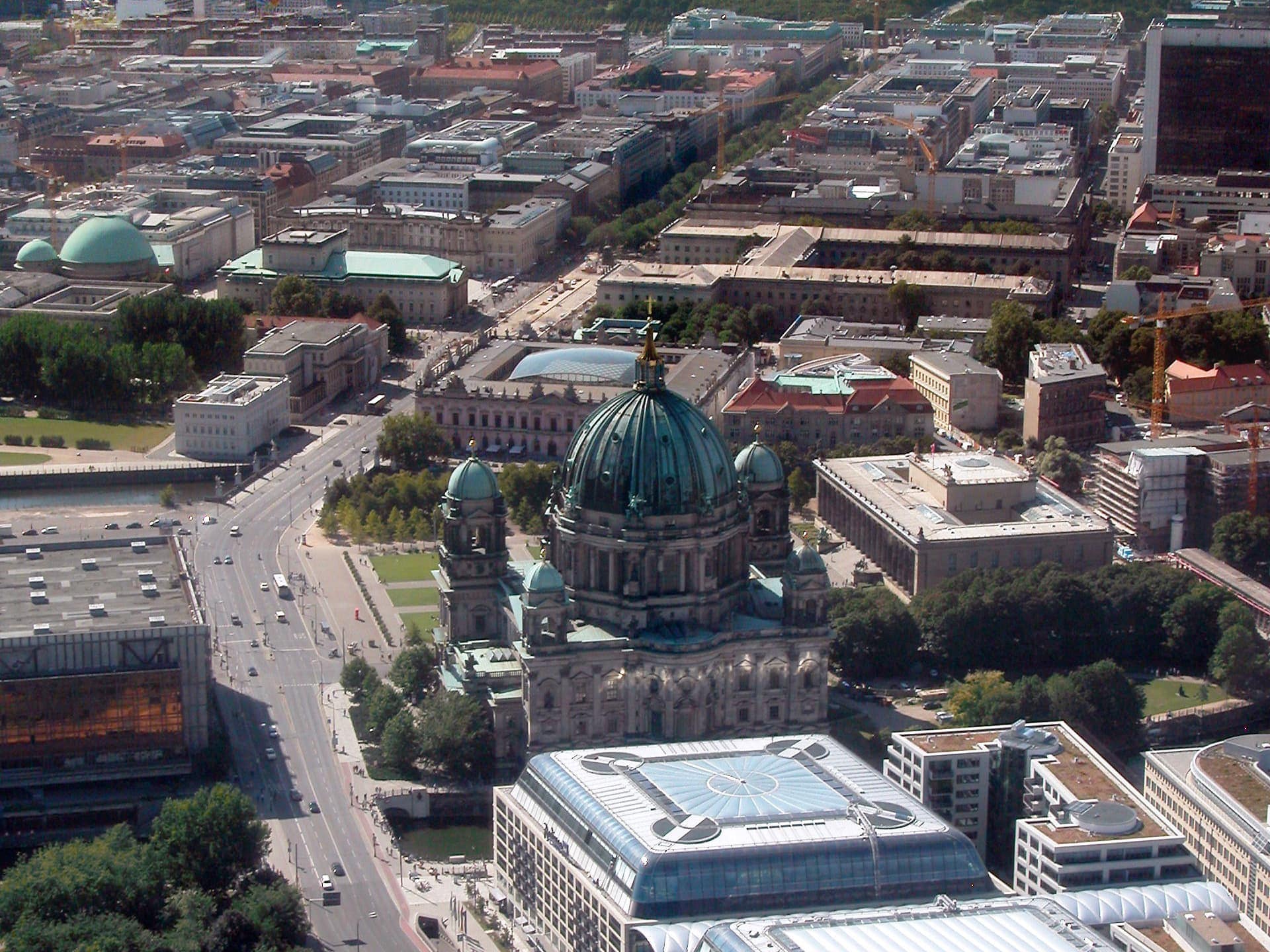
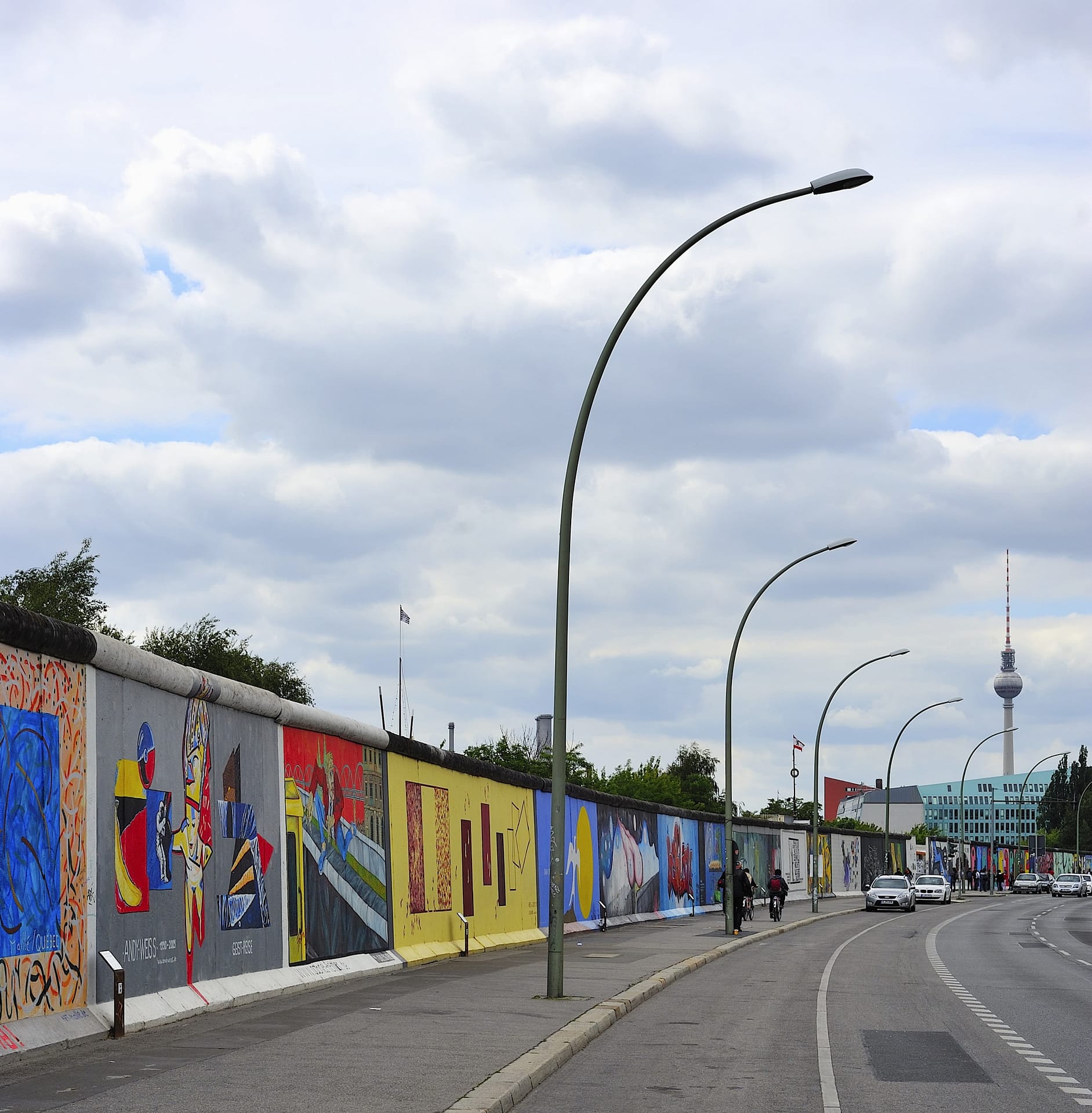
Embrace free attractions Berlin offers numerous world-class attractions that cost nothing: the Brandenburg Gate, the East Side Gallery (the longest remaining stretch of the Berlin Wall covered in murals), the Memorial to the Murdered Jews of Europe with its evocative stone field, and countless parks and neighborhoods. Many churches, including the stunning Berliner Dom Cathedral, offer free entry to its exterior courtyard. Most neighborhoods are best experienced through walking, wandering, and discovering street art and local cafés at no cost.
Eat like a local at street food and budget restaurants Skip expensive tourist restaurants and instead eat where Berliners eat. Currywurst stands like Konnopke's Imbiss serve iconic street food for €5-7. Döner kebab shops offer filling, delicious meals for €5-8. Small neighborhood restaurants, cafés, and market stands offer authentic German food, international cuisine, and fresh ingredients for a fraction of sit-down restaurant prices. Shop for groceries at budget supermarkets (Aldi, Lidl, Penny) rather than expensive chains (Rewe, Edeka).
Validate your transit tickets
If you purchase paper transit tickets at machines, you must validate them in the yellow/red boxes before boarding trains or trams. Failure to validate results in a €60 fine. Digital tickets purchased through the BVG app validate automatically, so they're a smart choice. Buses require contactless card payment only—no cash accepted from drivers.
Respect Berlin's environmental and social customs
Germany is a world leader in recycling and sustainability. Supermarkets do not provide plastic bags, so bring your own reusable bag for shopping. Expect to pack your own groceries quickly—there's often an impatient line of locals behind you. Berliners value quiet public spaces, so keep noise levels down on trains, streets, and in public areas. Loud drunk tourists are universally frowned upon. Dogs are ubiquitous in Berlin (approximately 100,000 registered), but owners don't always clean up after them, so watch your step on sidewalks.
Understand Berlin's blunt communication style
Berliners have a reputation for being direct and sometimes blunt in their communication, which newcomers can interpret as unfriendliness. This is simply the local communication style—Germans value honesty and efficiency over politeness. Service staff won't engage in extensive small talk, and shop attendants won't offer extensive assistance, but this reflects cultural norms rather than rudeness. Learning a few German phrases and showing respect for local customs usually results in much warmer interactions.
Culture & Customs
Berlin's culture is a fascinating blend of historical depth, artistic innovation, and progressive values. The city has a profound respect for its complex history, and visitors will notice that memorials are treated with genuine reverence rather than casual tourism. Respect for these spaces—including the Memorial to the Murdered Jews of Europe, the Berlin Wall Memorial at Bernauer Strasse, and the former concentration camp memorial at Sachsenhausen—is paramount. Photographs should be taken thoughtfully, and boisterous behavior at these sites is considered deeply disrespectful.
Fashion in Berlin is intentionally understated. Unlike Paris or Milan, Berlin's aesthetic is anti-fashion, favoring comfort and authenticity over trends. Black clothing is ubiquitous, and dressing down rather than up is the golden rule. Designer brands and high heels will make you stand out as a tourist. Berliners value authenticity and creativity over status symbols, which explains the city's thriving DIY and artistic culture.
Social interactions follow a formal structure, particularly in professional settings. Germans use formal address ("Sie" rather than "du") until invited to use informal speech. Handshakes are the standard greeting in business contexts, with direct eye contact expected. However, younger Berliners and creative types are generally more casual and embrace the city's rebellious, anything-goes spirit. The city celebrates diversity and individuality—from fashion to sexuality to artistic expression—and this tolerance is central to Berlin's identity.
Dining customs are relaxed, with casual cafés and street food being more authentically Berliner than formal restaurants. Tipping is appreciated but not obligatory, typically 5-10% of the bill if service was good. Germans value punctuality highly—being late is considered disrespectful. Public behavior norms emphasize quiet, orderly conduct. Loud conversations, playing loud music, or drunk behavior on public transport is met with disapproval from locals and can result in verbal confrontation.
The city has a strong cycling culture with dedicated bike lanes throughout. Respecting these lanes is crucial—walking or standing in bike lanes can result in irritated cyclists or even confrontation. Environmental consciousness permeates Berlin culture, with recycling, waste separation, and sustainability being serious matters rather than casual concerns.
What to Eat
Berlin's food scene reflects the city's diverse history and multicultural character. Traditional German cuisine forms the foundation, characterized by hearty, filling dishes featuring pork, sauerkraut, potatoes, and bread. The most iconic Berlin dish is currywurst—a sliced pork sausage smothered in tangy curry-ketchup sauce and served with crispy fries (called "Pommes"). This is quintessential street food, best enjoyed at legendary stands like Konnopke's Imbiss in Friedrichshain or Curry 36 in Kreuzberg. It's an authentic, inexpensive meal that every visitor should experience.
Döner kebabs are arguably Berlin's most beloved fast food, created by Turkish immigrants in the 1970s and now considered a Berlin classic. These consist of seasoned grilled meat (lamb, chicken, or beef) combined with fresh vegetables, salads, and sauces stuffed into warm flatbread. Mustafa's Gemüse Kebab in Kreuzberg is world-famous for its vegetarian and vegan döner options. The döner kebab represents Berlin's successful multicultural integration and offers exceptional value at €5-8 per meal.
Other traditional dishes worth trying include Schnitzel (breaded pork or chicken cutlet served with lemon), Eisbein (slow-roasted pork knuckle served with sauerkraut and potatoes), Bratwurst (grilled sausage), and Königsberger Klopse (meatballs in a creamy sauce with potatoes). Berliner Pfannkuchen are fluffy, jelly-filled doughnuts traditionally enjoyed during carnival season and New Year celebrations, though available year-round at bakeries throughout the city.
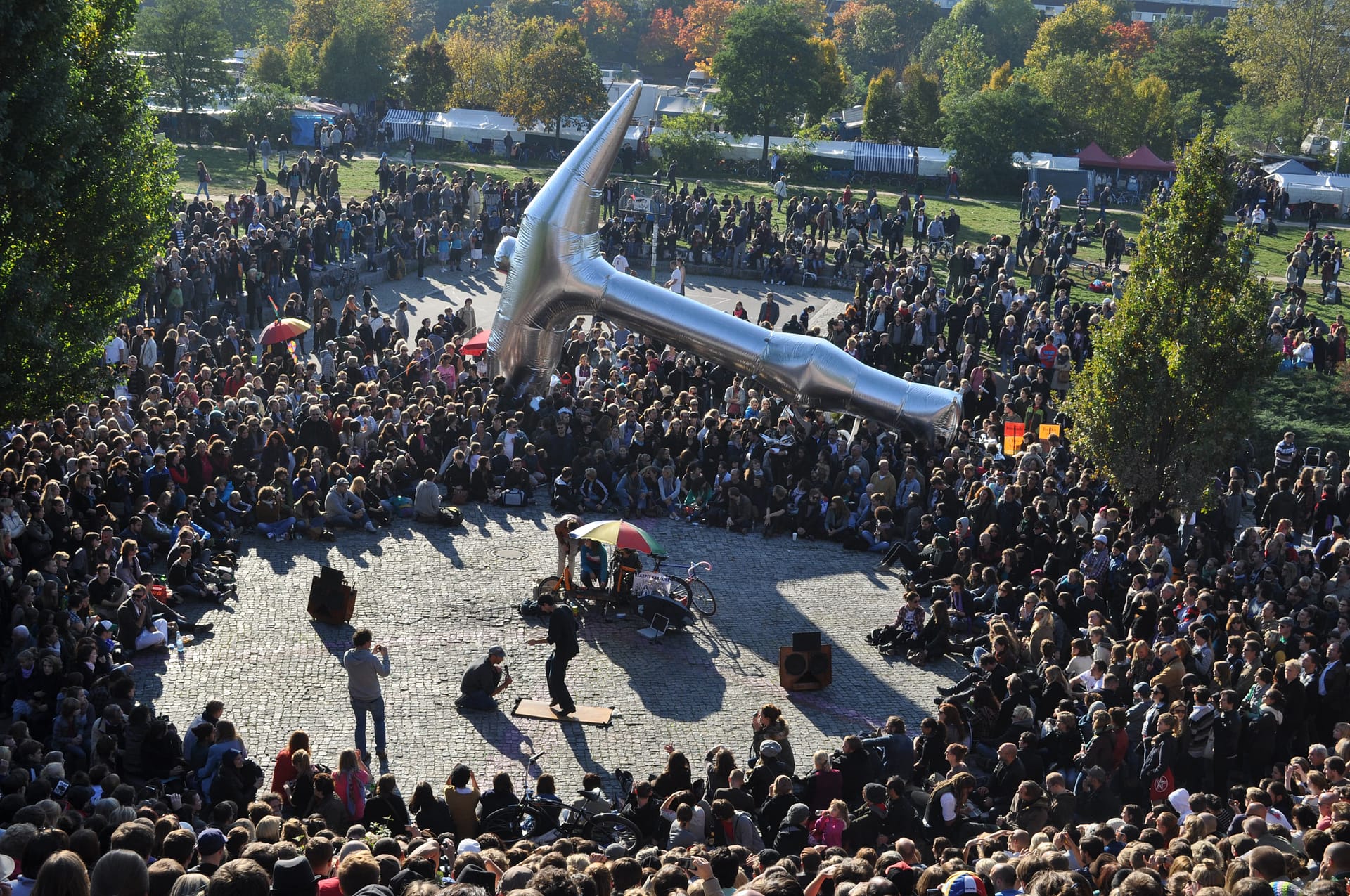
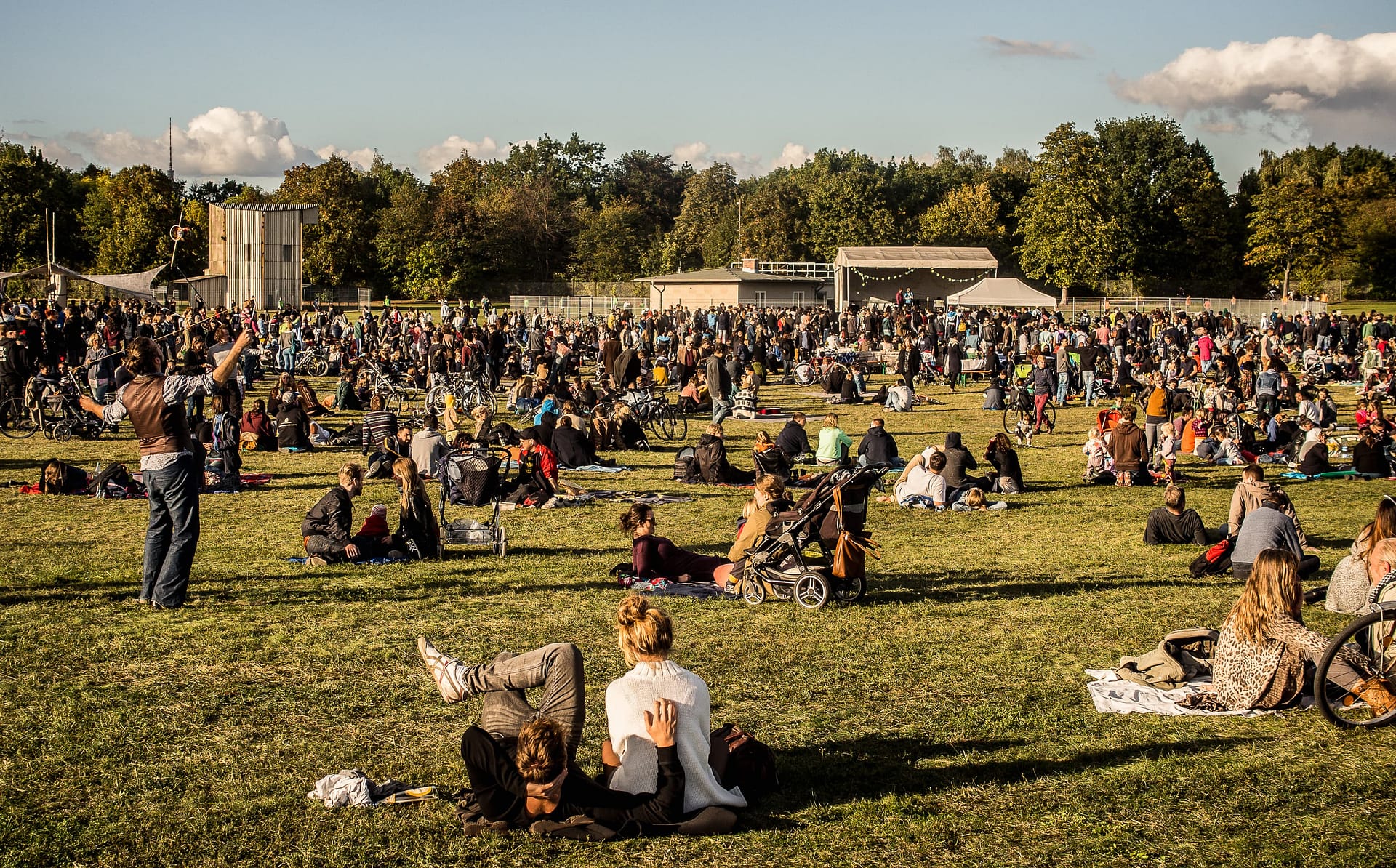
Beyond traditional German cuisine, Berlin's international food scene reflects the city's diversity. Turkish, Vietnamese, Lebanese, Asian, and Mediterranean restaurants thrive in neighborhoods like Neukölln and Friedrichshain. Each neighborhood has distinct culinary characteristics—Kreuzberg is known for trendy fusion cafés and experimental restaurants; Prenzlauer Berg features artisanal bakeries, farm-to-table concepts, and upscale casual dining; Charlottenburg offers fine dining and elegant restaurants; and Neukölln is emerging as a foodie destination with innovative, affordable restaurants. The city's famous beer garden culture thrives in summer, with venues like Café am Neuen See in Tiergarten offering local beers and casual dining under trees. Street food culture is deeply embedded in Berlin—markets like Markthalle Neun in Friedrichshain and the food stalls around Mauerpark offer diverse cuisines at minimal cost.
Safety
Berlin is generally a safe city for tourists, with most visits being trouble-free. The city does not experience serious violent crime against visitors, and most neighborhoods are perfectly safe to explore during the day and evening. Berlin's crime rate of approximately 13,500 offenses per 100,000 inhabitants sounds high in absolute terms but is actually relatively low when considering the city's size and density, and the vast majority of crimes are petty offenses rather than serious violent acts.
The primary safety concern for tourists is petty crime, particularly pickpocketing and bag snatching, which tend to concentrate in high-traffic tourist areas and public transport during peak hours. Tourists should remain alert at crowded spots like Alexanderplatz, the Brandenburg Gate, Museum Island, and on busy U-Bahn lines (particularly the U2 and U5). Kurfürstendamm shopping boulevard and the KaDeWE department store are known hotspots for pickpockets. Additional precautions include watching out for distraction thefts (where someone spills something on you or asks for directions while accomplices steal from you), fake petitions, and shell games, which police specifically recommend avoiding entirely. Avoid carrying excessive cash, keep valuables secure and out of sight, use hotel safes, and be especially vigilant with phones, cameras, and bags. Some areas should be avoided at night, including certain parts of Neuköllln, Görlitzer Park, and the northern part of Luisenstadt, though these are rarely visited by tourists. Berlin is notably safe for solo women travelers, with no significant gender-based safety concerns. Always verify the legitimacy of police officers by requesting official identification, as scammers occasionally impersonate law enforcement to target tourists.
How to Get Around Berlin
Berlin's public transportation system is extensive, efficient, and affordable, making it the primary way most visitors navigate the city. The system comprises the U-Bahn (subway), S-Bahn (city trains), buses, trams, and ferries, all operating under unified ticketing controlled by the BVG (public transport company) and Deutsche Bahn. The U-Bahn is the fastest option for navigating central Berlin, with the yellow trains running frequently (every 5-10 minutes during the day) and even 24 hours on Fridays and Saturdays. Key U-Bahn lines include the U2 (red line) running from Alexanderplatz to Zoo with scenic elevated sections, and the U5 (brown line) connecting the Brandenburg Gate to Museum Island. The S-Bahn, operated by Deutsche Bahn, is ideal for longer distances and travels to outlying areas and suburbs. The distinctive S41 and S42 ring lines (Ringbahn) circle the entire city center, serving as a helpful orientation tool. Berlin's iconic yellow double-decker buses, particularly the MetroBus network ("M" lines), run 24/7 every 10 minutes and offer a cheap sightseeing option—the M10 bus, for example, passes many major attractions. Trams run throughout the eastern part of the city with extensive networks in former East Berlin neighborhoods.
Single tickets cost €4.00 and remain valid for 2 hours with unlimited transfers, though a 4-trip ticket (Vier-Fahrten-Karte) at €12.40 offers better value at €3.10 per ride. A 24-hour ticket costs €11.20, while a 7-day pass costs €44.60. Tickets can be purchased at yellow machines at U-Bahn and S-Bahn stations (accepting cash and cards), through the BVG Fahrinfo app, or on buses and trams. Crucially, paper tickets must be validated in yellow/red boxes before boarding—failure to do so results in a €60 fine. Digital app-purchased tickets validate automatically. Buses accept only contactless card payment; cash is not accepted from drivers. Biking is an excellent alternative for exploring Berlin, with dedicated bike lanes throughout the city and numerous bike rental shops offering affordable daily rates. Taxis are abundant but not recommended due to cost; instead, use official services to avoid scams. The city is also highly walkable, particularly in neighborhoods like Mitte, Prenzlauer Berg, and Kreuzberg.
Entry & Exit Requirements
United States citizens enjoy visa-free travel to Germany, including Berlin, for stays of up to 90 days within any 180-day period. No visa is required for tourism, business, or family visit purposes. The only requirement is a valid US passport with at least 6 months of validity remaining beyond your intended departure date. Upon arrival, US citizens will go through standard passport control, and no special permits or registration are necessary for short-term tourism stays. This visa waiver privilege extends throughout the Schengen Area (comprising 27 European countries including Germany), allowing visa-free movement between member states.
However, this privilege is strictly for non-economic activities—you cannot engage in paid work, start a business, or pursue professional activities while on the visa-free regime. Any intended stays longer than 90 days require applying for a residence permit (Aufenthaltserlaubnis) at the local immigration office (Ausländerbehörde), which is a separate process. It is advisable to have your travel itinerary, proof of accommodation, and proof of financial resources available, though these are rarely requested at immigration for tourist visits. Your return ticket information will be recorded but again is rarely scrutinized for standard US citizens. Upon departure, no special exit procedures exist—simply proceed through passport control as you would at any international airport. For more information on entry and exit requirements, visit the U.S. State Department's website.