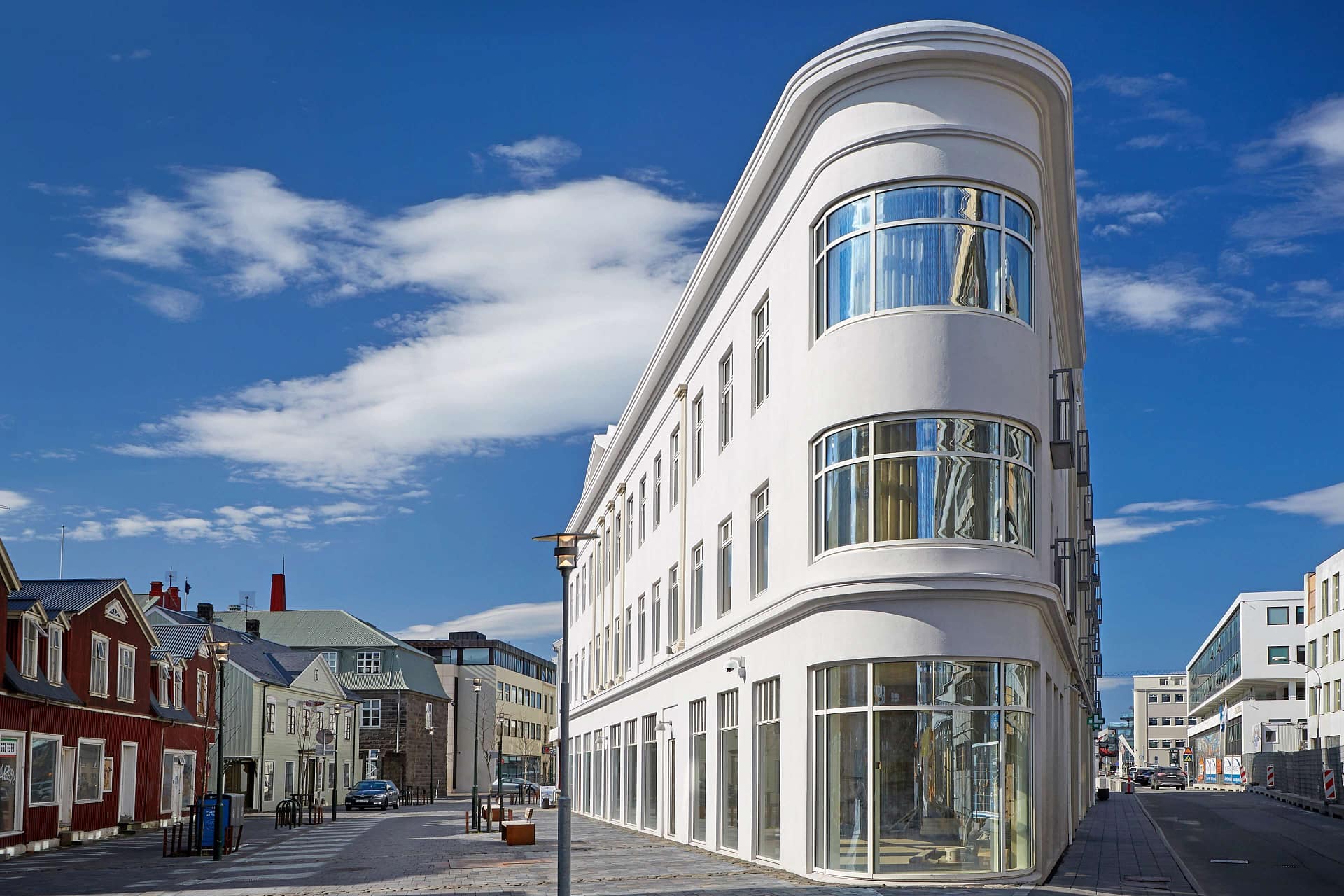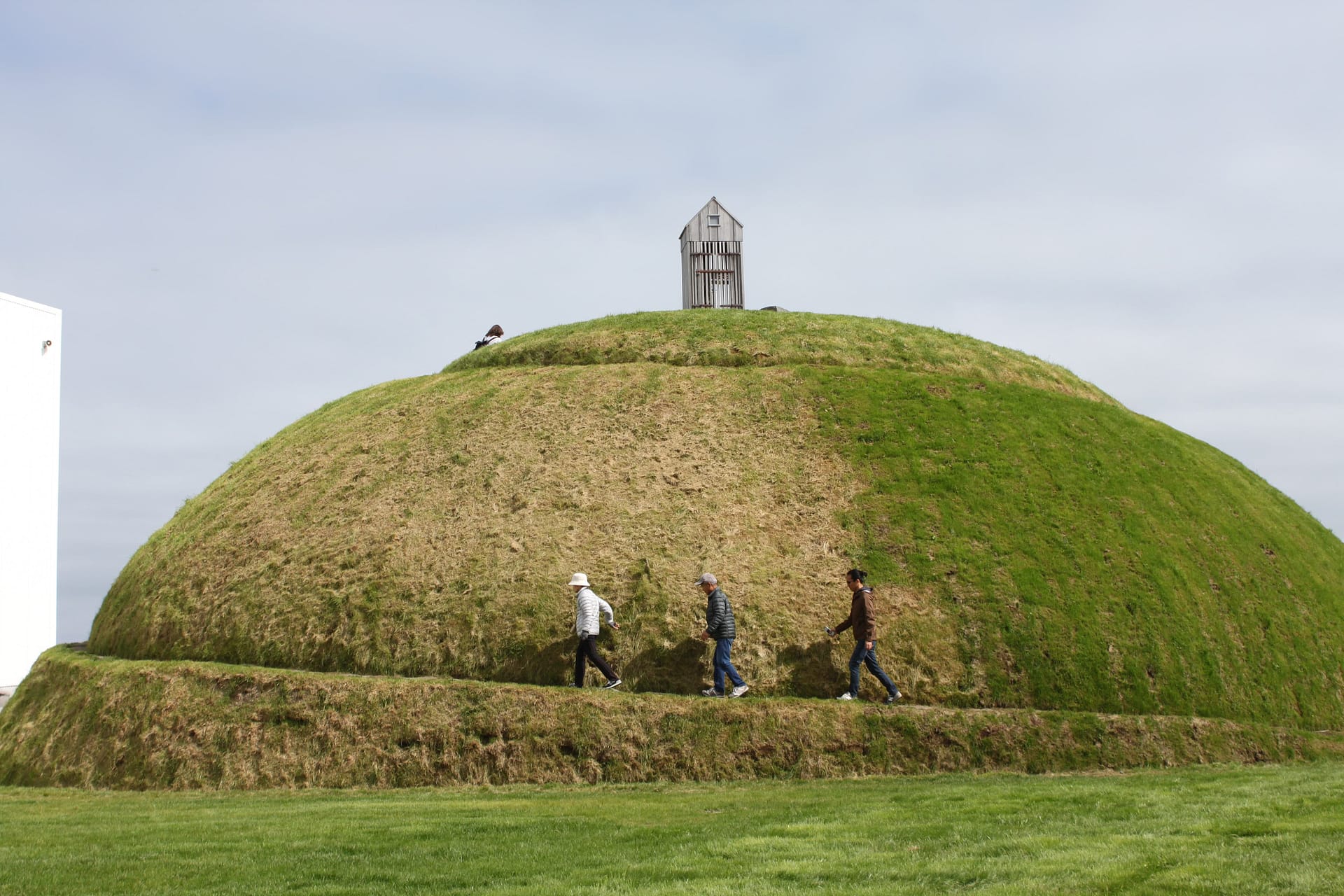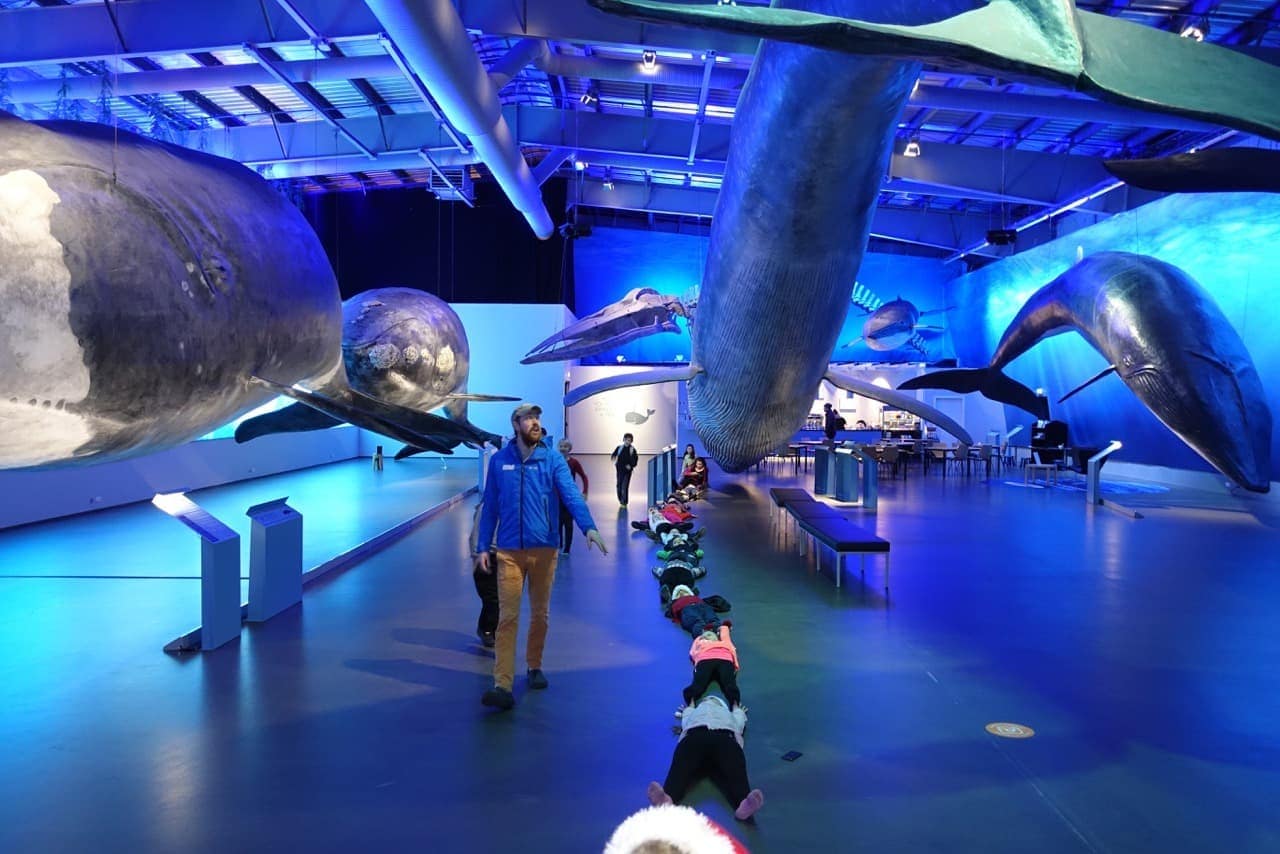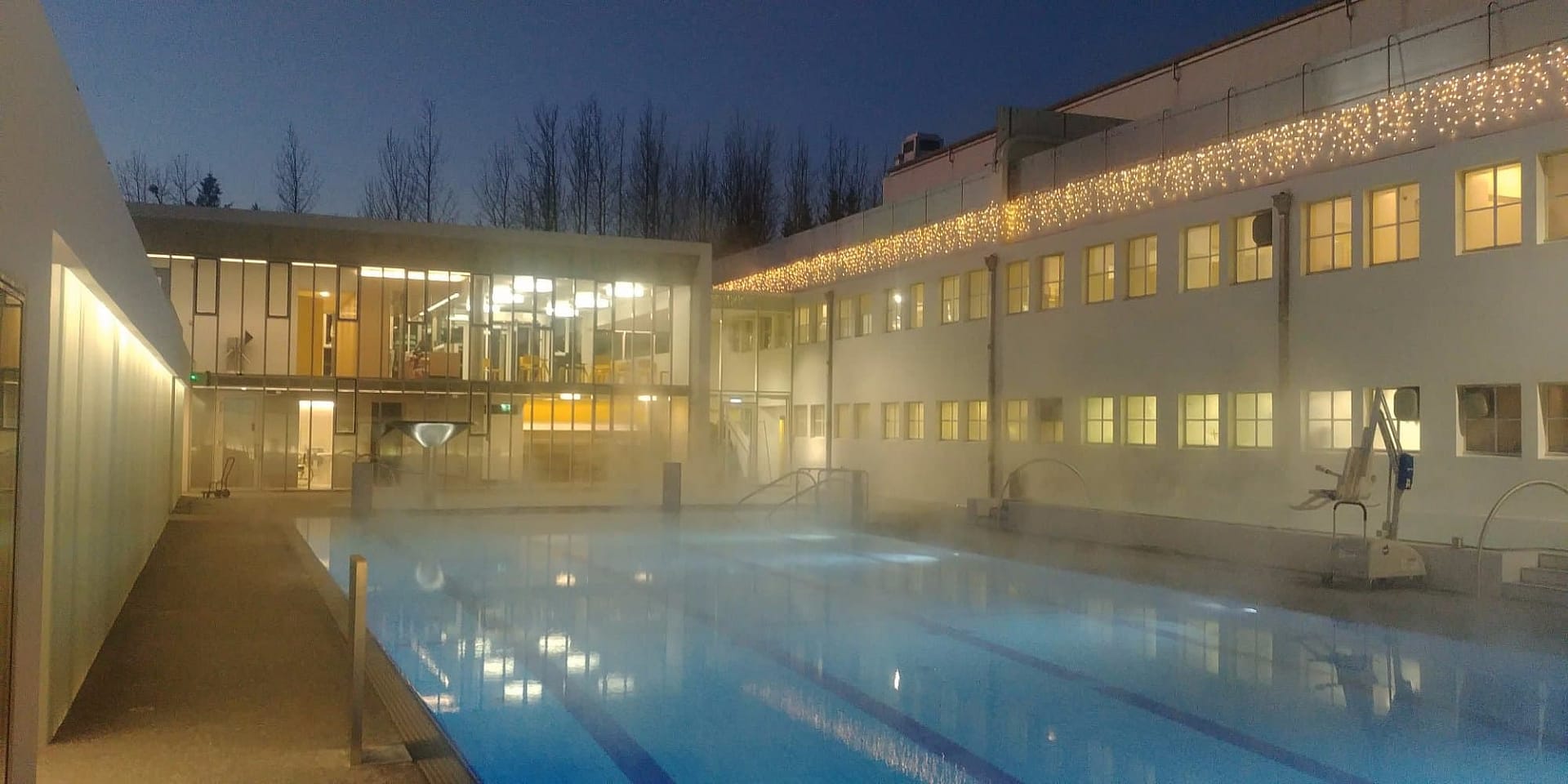


Reykjavík is one of those rare capitals where big-city culture meets wild, elemental nature. Colorful houses line the waterfront, steam rises from geothermal pools, and on clear nights the northern lights dance above the harbor. By day, you can wander between cutting-edge galleries, literary cafés, and design shops; by evening, soak in a hot pool or join the city’s legendary nightlife.
It is also the natural gateway to Iceland’s famous landscapes: waterfalls, glaciers, black-sand beaches, and lava fields are all within easy reach on day trips. And how can we forget to include some of the best places to stay here, too? This guide walks through when to go, how to save, what to eat, and what first-time visitors need to know to make the most of a trip to Reykjavík.
About Reykjavik
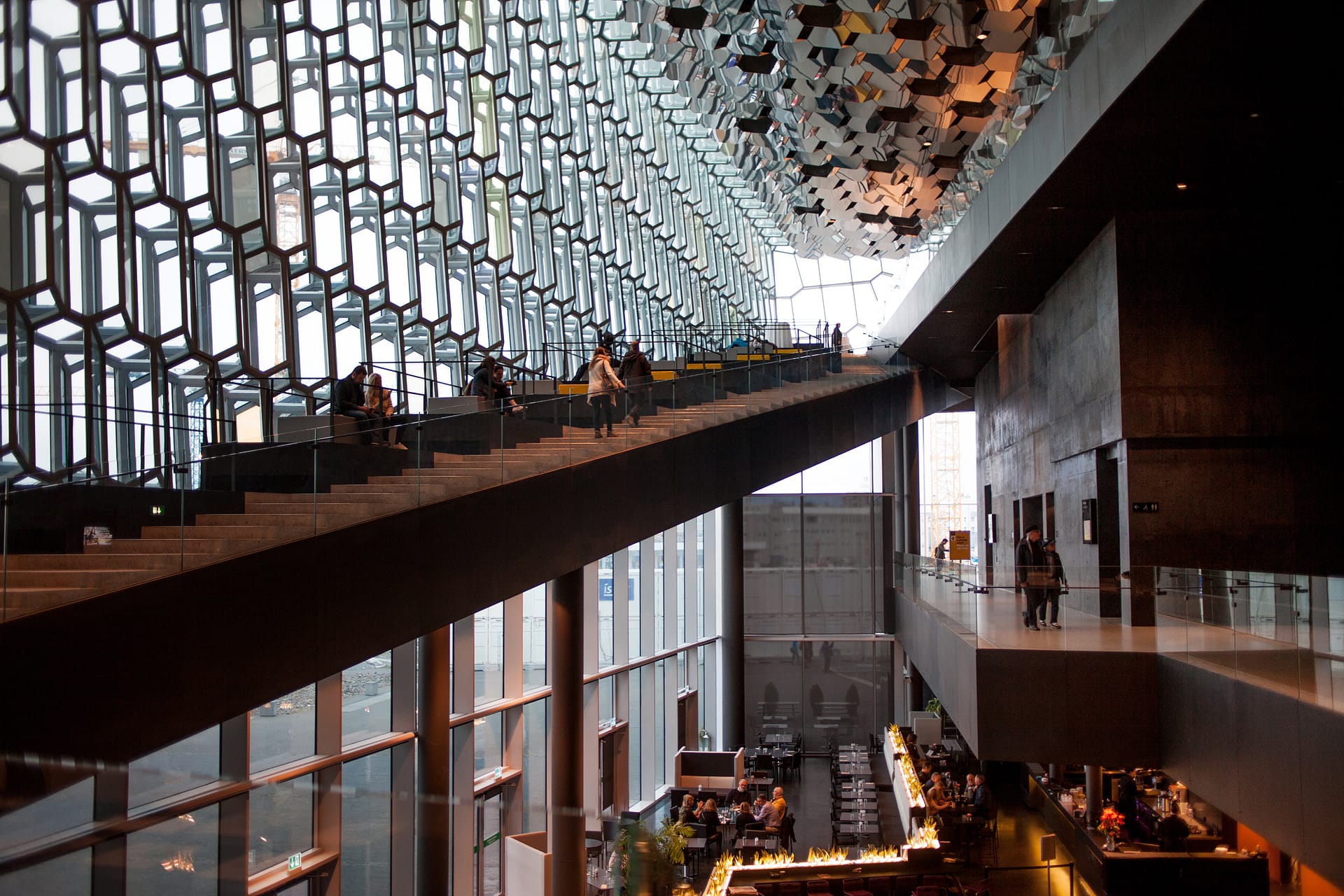
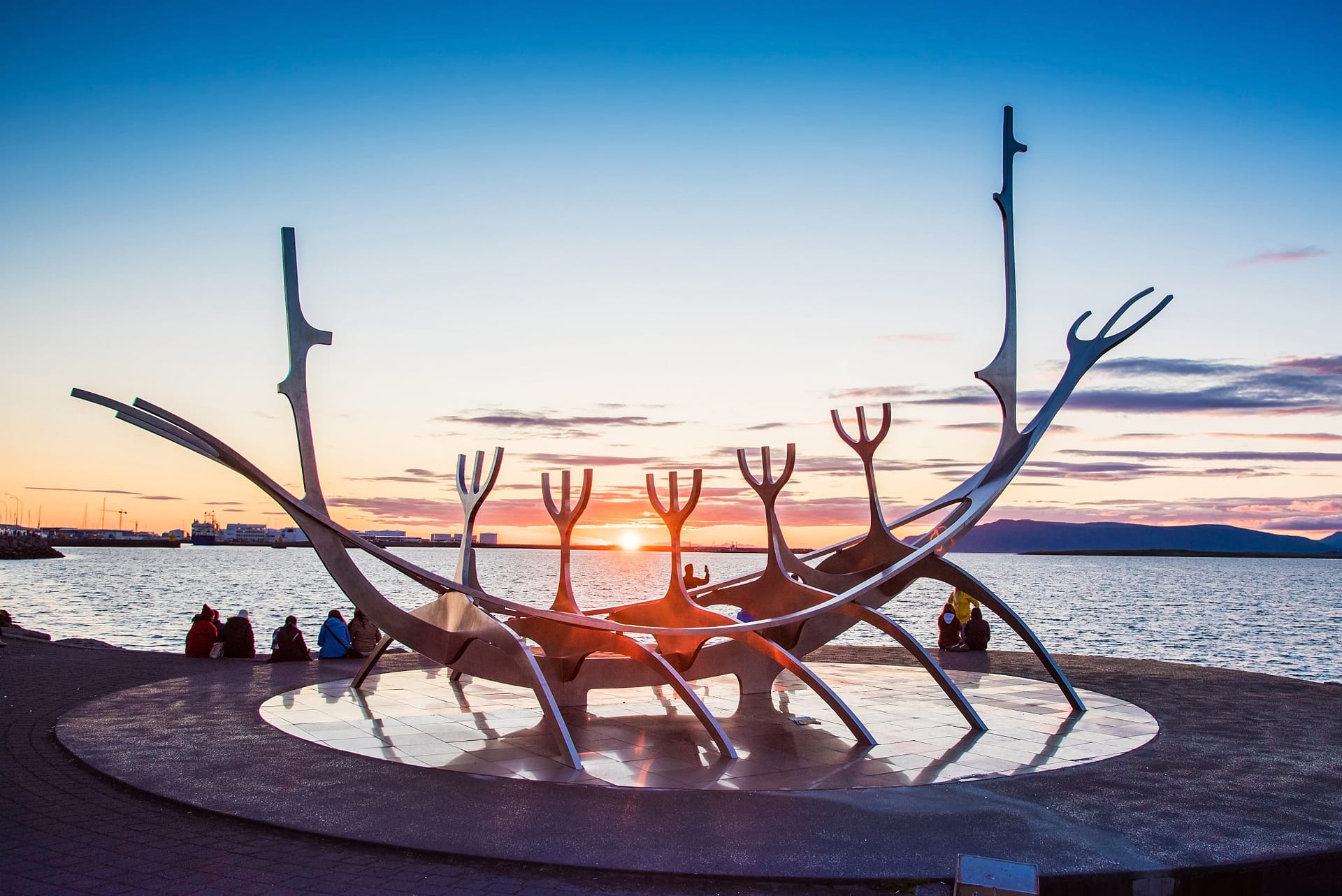
Reykjavík, the world’s northernmost capital, sits on Iceland’s south‑west coast and anchors almost two‑thirds of the country’s population. Despite its compact size, it feels surprisingly cosmopolitan, with sleek architecture like Harpa Concert Hall, vibrant street art, and a strong coffee, craft beer, and music culture. The city grew from a Norse settlement in the late 9th century into Iceland’s political, cultural, and economic center, yet it still feels more like a livable coastal town than a crowded metropolis.
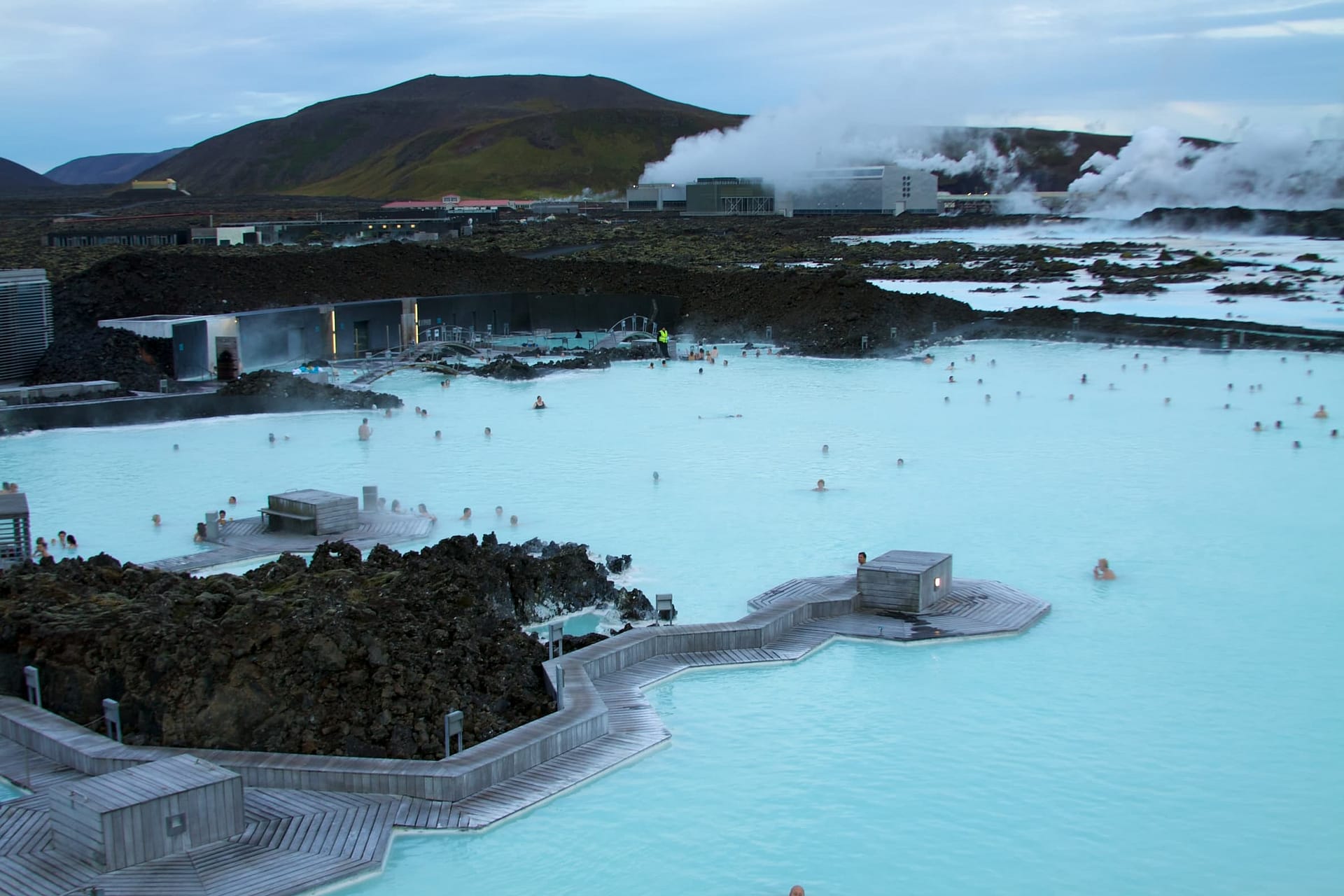
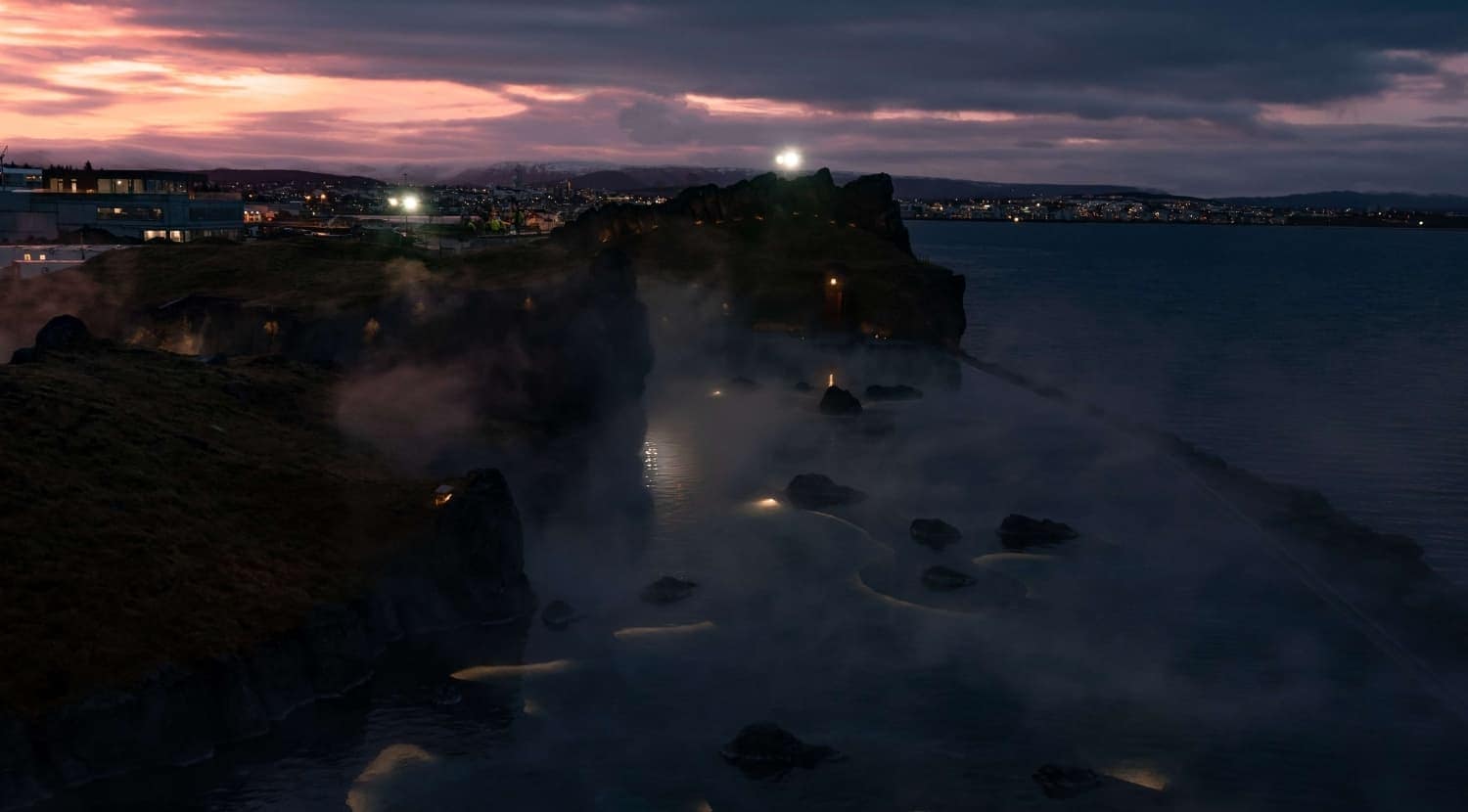
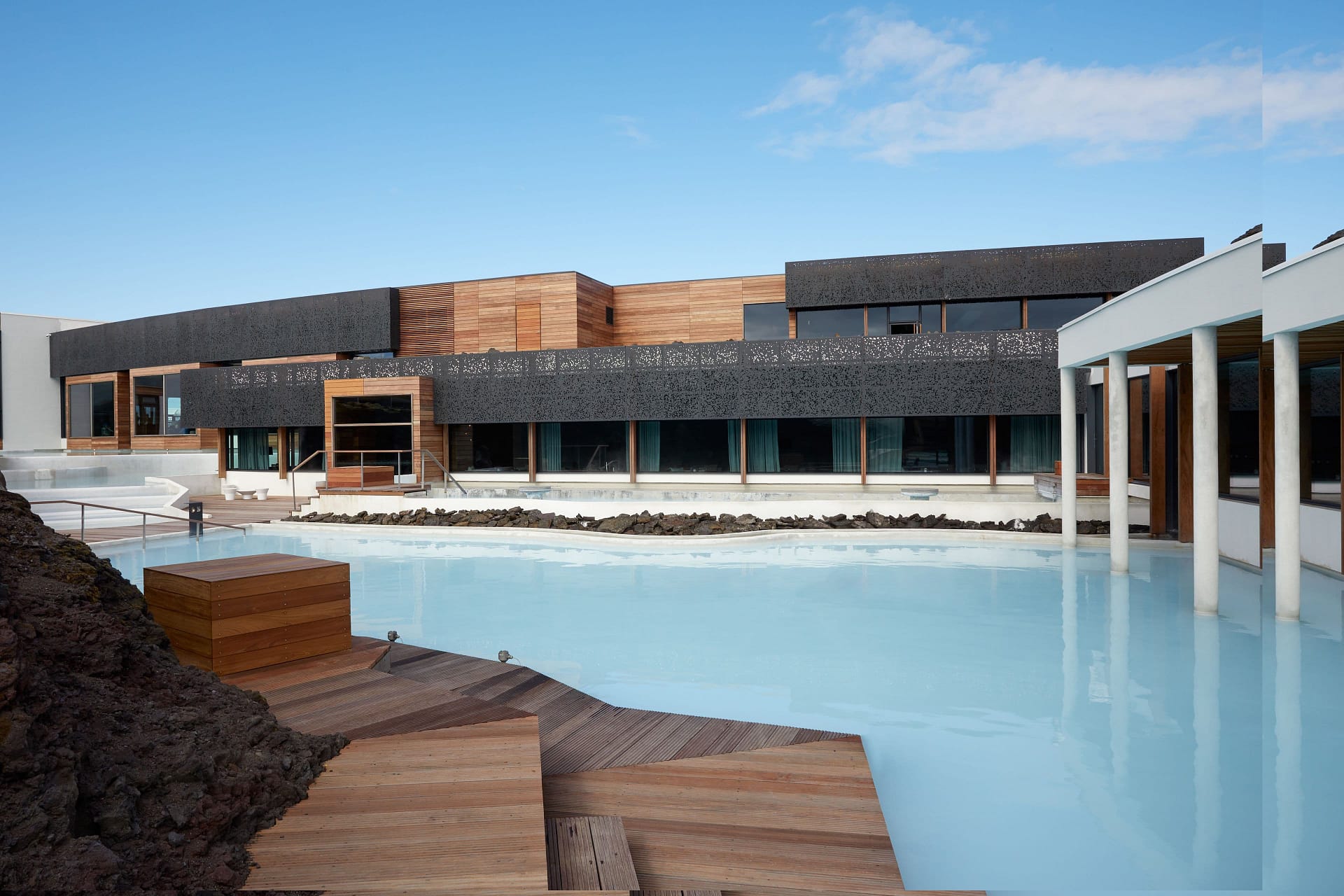
Volcanic mountains ring the skyline, the North Atlantic is never far away, and geothermal energy powers homes, pools, and many of the experiences visitors come for. Reykjavík is also an ideal base for exploring nearby highlights such as the Golden Circle, Reykjanes Peninsula, and various geothermal spas.
Why Go to Reykjavik
Reykjavík appeals to travelers who want both culture and nature without constant transit. The city offers a dense cluster of experiences—museums on Viking history, Icelandic sagas, and contemporary art; public pools that double as social hubs; festivals, live music, and a dynamic dining scene featuring everything from geothermal‑baked rye bread to inventive New Nordic tasting menus.
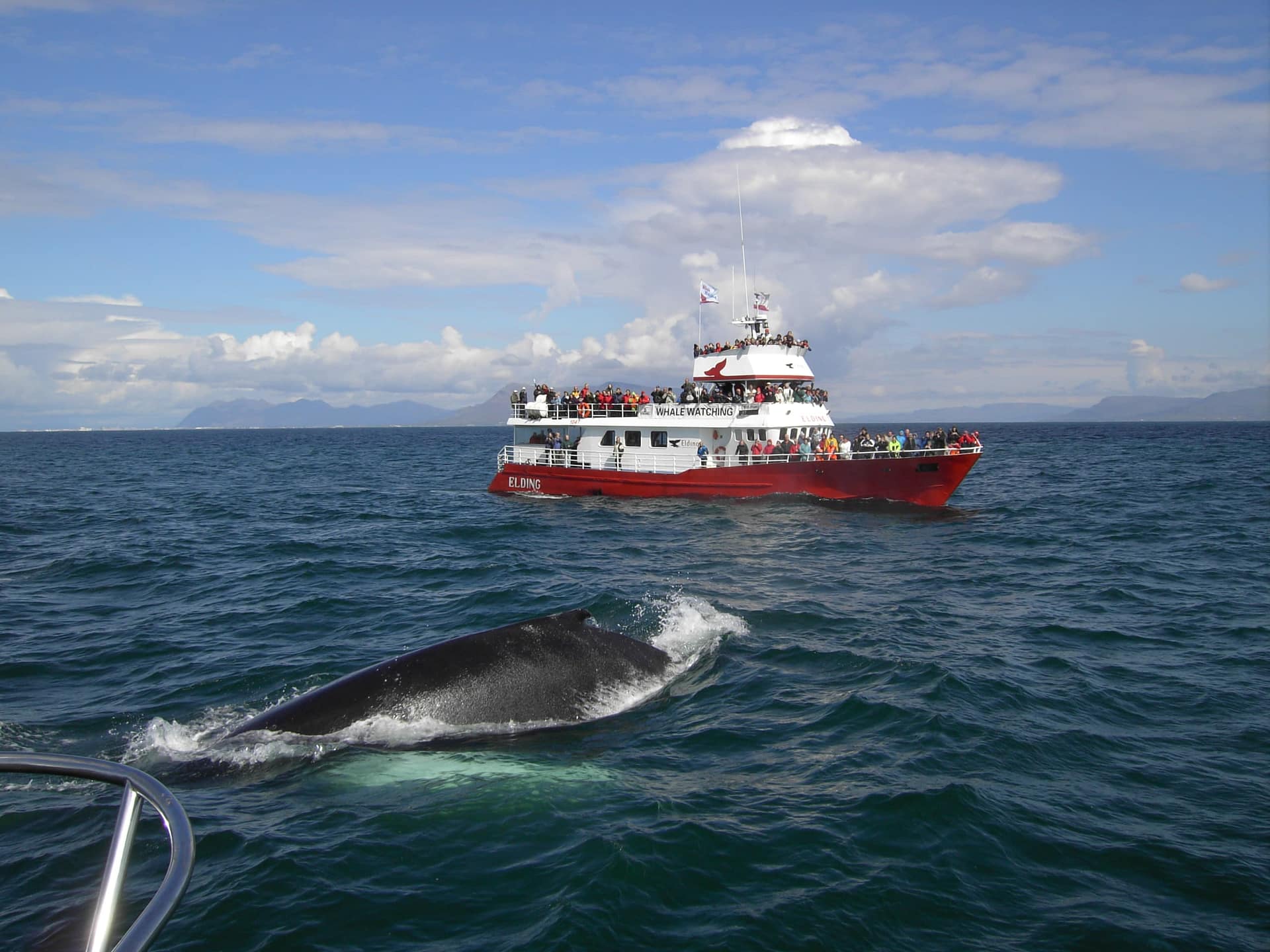
At the same time, it functions as a staging ground for bucket‑list adventures: chasing the northern lights in winter, midnight‑sun walks in summer, whale‑watching from the harbor, or day trips to waterfalls, glaciers, and lava fields. Add excellent safety, English widely spoken, and a walkable core, and Reykjavík becomes an accessible gateway to Iceland that still feels distinctly its own, not just a stopover.
Best of Reykjavik
Best Hotels in Reykjavik

Best Things to Do in Reykjavik

Reykjavik Travel Tips
Best Time to Go
Reykjavík is truly a year‑round destination, but your ideal time depends on whether you prioritize light, northern lights, or budget.
Summer (June–August) brings the midnight sun, mild temperatures often around 10–15°C (50–59°F), and the liveliest atmosphere, with festivals, outdoor dining, and easy access to most roads and hiking areas. This is high season though, so expect higher prices and more crowds, especially around June–July.
Winter (October–March) is the opposite: short days, potential snow, and a more subdued pace, but the best window for seeing the northern lights thanks to long, dark nights. Reykjavík under snow feels cozy, with illuminated streets, Christmas markets, and locals congregating in pools and bars. Storms can disrupt travel and some highland roads are closed, but city attractions and many classic day trips still run.
Spring (April–May) and autumn (September–early October) are classic shoulder seasons. Days in May are long and bright, without peak‑summer crowds, while September blends lingering mild temperatures with increasing darkness, giving chances for aurora plus more manageable tourist levels. Prices tend to be more forgiving than in peak summer, and popular sites feel less congested.
For a balance of cost, crowds, daylight, and activities, May and September stand out as ideal, with late August–early October also excellent if northern lights are a priority.
Weather in Reykjavik
How to Save Money in Reykjavik
Use public pools instead of pricey spas Skip only going to big spa brands and use municipal geothermal pools, which are a fraction of the cost while offering hot tubs, steam rooms, and a very local experience.
Self‑cater and eat smart at lunch Grocery stores and bakeries help cut breakfast and snack costs; look for lunch specials or soup‑and‑bread deals instead of full dinner menus, which are significantly more expensive.
Travel in shoulder season and use city passes Visiting in May or September and using city or museum passes for buses and multiple attractions can trim accommodation, tour, and transport prices during a still‑pleasant period.
Weather changes fast—pack layers
Conditions can swing from sun to wind and rain in a single day in any season, so waterproof outerwear, warm layers, and sturdy shoes are essential.
Cards are king, cash is rare
Credit and debit cards are accepted almost everywhere, even for small transactions, so many travelers never need Icelandic króna in cash.
Book key experiences early in high season
In summer and peak holiday periods, popular tours, pools, and top restaurants can sell out, so advance booking for must‑do activities is wise.
Culture & Customs
Reykjavík’s culture is shaped by Iceland’s small population, literary tradition, and close relationship with nature. Locals tend to be informal and egalitarian; first names are used almost universally, even for officials, and tipping isn’t a strong custom because service charges are typically built into prices. English is widely spoken, so communication is easy, but a simple “takk” (thank you) is appreciated. Daily life revolves around geothermal pools, which serve as social spaces for all ages, and locals often meet there year‑round regardless of weather.
The city has a strong creative streak—music, design, and literature are highly visible—and nights can be lively on weekends, especially around Laugavegur and the downtown core. Punctuality is respected, but the overall vibe is relaxed; dress codes are casual in most places, though people often dress smartly for evenings out or cultural events. Respect for nature runs deep, so following trail rules, not disturbing wildlife, and avoiding off‑road driving are seen as basic courtesies rather than optional preferences.
What to Eat
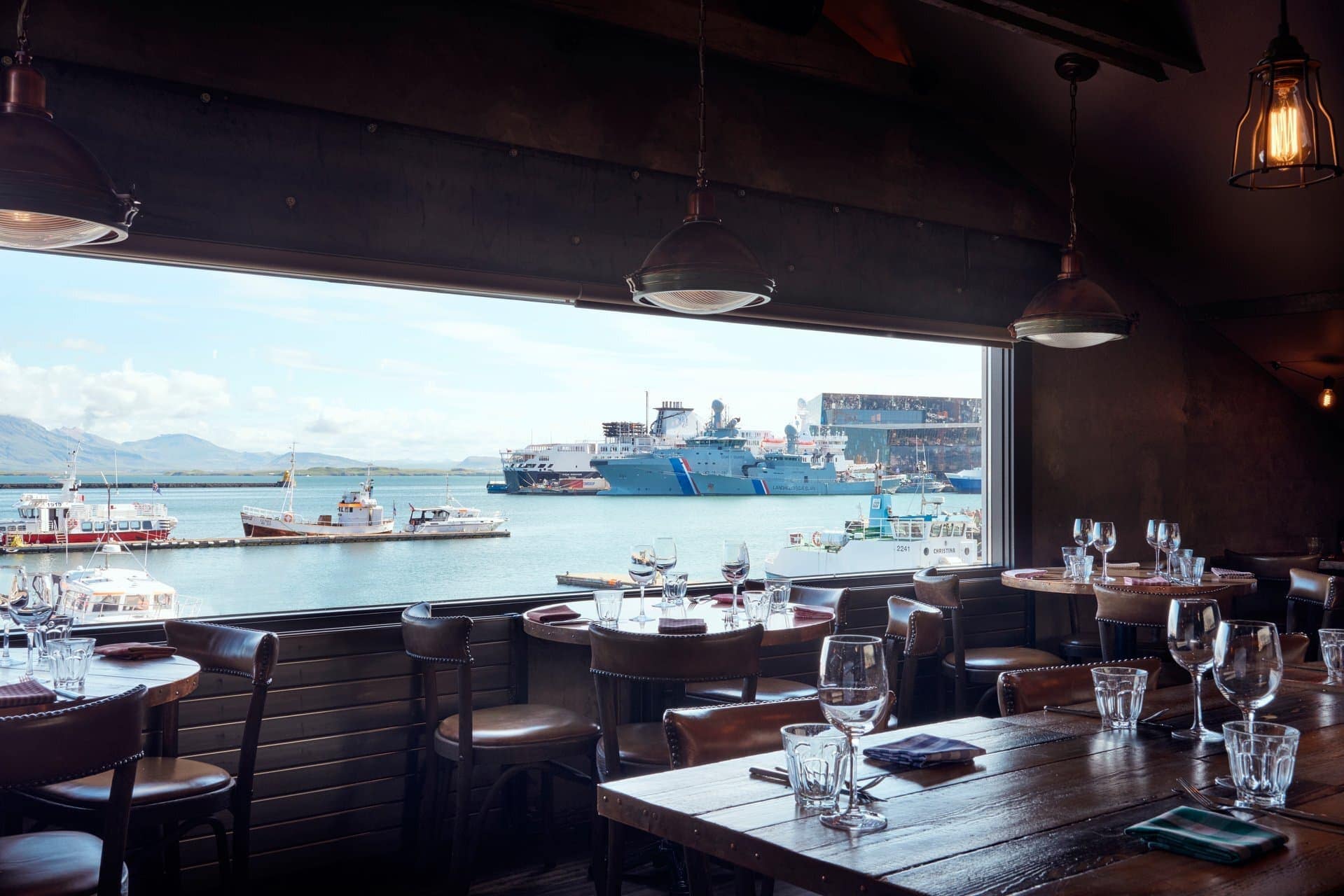
Reykjavík’s food scene blends traditional Icelandic ingredients with modern techniques, and the best way to experience it is to mix humble local spots with contemporary restaurants. Around the Old Harbour and downtown you’ll find excellent fish and chips, plokkfiskur (fish stew), and fresh catch of the day in bistros and harbor‑side eateries, where cod, haddock, and Arctic char are staples. Classic hot dog stands, especially near the harbor and central streets, serve lamb‑based pylsur loaded with onions and sauces, making for a cheap, essential snack.
Cafés and bakeries throughout the center are perfect for trying kleina pastries, cinnamon rolls, and dense rye bread, sometimes baked using geothermal heat and served with butter or smoked fish. For more upscale dining, Reykjavík’s New Nordic‑style restaurants focus on seasonal, local produce—lamb, langoustine, seaweed, and foraged herbs—often requiring reservations in high season. Vegetarians and vegans are well catered for, with dedicated spots and inventive plant‑forward menus scattered through the downtown and harbor districts. Pair meals with Icelandic craft beers or a taste of local spirits such as Brennivín if you’re curious about traditional drinks.
Safety
Reykjavík consistently ranks among the world’s safest capitals, with low violent crime, a strong social fabric, and a visible but low‑key police presence. Visitors typically feel comfortable walking at night in central neighborhoods, and scams are rare compared with many major cities. The main safety considerations are environmental rather than urban: strong winds, icy sidewalks in winter, and rapidly changing weather conditions can cause slips or discomfort if you are not dressed properly. For excursions beyond the city, respect local guidance about sea conditions, winter roads, and coastal or cliff edges, as underestimating nature is the quickest route to trouble. As in any destination, keep usual awareness in nightlife areas, particularly late on weekend nights when alcohol consumption increases, but overall Reykjavík is a destination where common‑sense precautions are more than sufficient.
How to Get Around Reykjavik
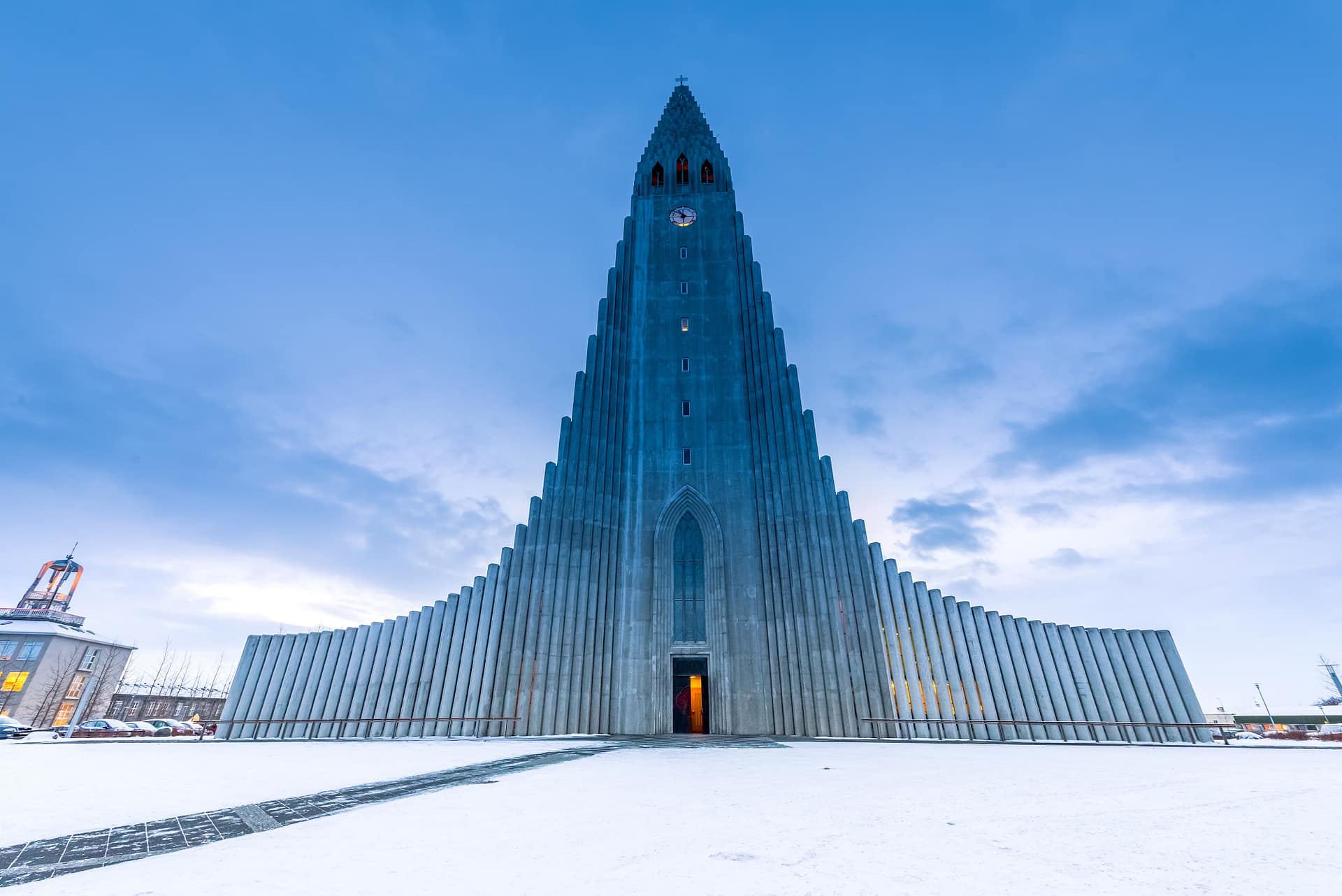
Reykjavík’s center is compact and very walkable, with most major sights—Hallgrímskirkja, Harpa, the Old Harbour, main shopping streets—within comfortable walking distance of each other. For longer hops or in poor weather, the city bus network (Strætó) is reliable, and tickets can be bought via app or kiosks; taxis are easy to find but relatively expensive. Cycling is pleasant in summer thanks to dedicated paths, and bike rentals and e‑scooters offer flexible options for exploring neighborhoods beyond the core.
Many visitors choose not to drive within the city itself, instead renting a car only for day trips or multi‑day road journeys, as parking and one‑way streets in the center can be mildly inconvenient. Organized tours frequently include hotel or central pick‑ups, which makes seeing nearby natural highlights easy without a vehicle. Airport transfers between Keflavík and Reykjavík are handled by shuttle buses, coaches, and taxis, with journeys typically taking 40–50 minutes.
Entry & Exit Requirements
For U.S. citizens visiting Reykjavík, Iceland follows standard Schengen rules. A valid U.S. passport is required and should have at least several months of validity remaining; authorities recommend six months beyond your planned departure, and you should have proof of onward or return travel and sufficient funds for your stay. For short tourist or business trips of up to 90 days within any 180‑day period, no visa is currently required, as Iceland is part of the Schengen Area. On arrival, border officers may ask about your plans, accommodation, and resources, so keep confirmations handy. From late 2026 onward, U.S. travelers are expected to need an approved ETIAS (European Travel Information and Authorization System) before boarding flights to Iceland or other Schengen countries; this will be an online pre‑travel authorization, not a full visa, but airlines may deny boarding without it once implemented. Additional information about Iceland's entry and exit requirements is available on the U.S. State Department's website.