

Prague stands as one of Europe's most captivating capitals, where Gothic spires pierce medieval skylines above cobblestone streets that have witnessed a thousand years of history. The Czech capital has become a destination that enchants millions annually, offering a rare combination of stunning architecture, rich cultural heritage, and surprising affordability. Whether you're a first-time visitor marveling at the astronomical clock or a seasoned traveler exploring hidden neighborhoods where locals congregate, Prague reveals itself as a city of endless discovery.
This comprehensive guide equips you with everything needed to navigate Prague like an insider—from timing your visit for perfect weather and manageable crowds to uncovering authentic dining experiences and strategic money-saving techniques. Whether you have a weekend or a week, this guide transforms your Prague experience from a typical tourist itinerary into a meaningful journey through one of the world's best-preserved historic cities.
About Prague
Prague (Praha in Czech) is the capital and largest city of the Czechia (a.k.a. Czech Republic), strategically positioned in Central Europe where east meets west. The city sits along the Vltava River, which winds through its historic districts, and spreads across multiple neighborhoods each with distinct character—from the medieval Old Town Square to the regal Prague Castle perched on elevated terrain dominating the skyline. As a city with over 1,000 years of documented history, Prague has served as the seat of Czech rulers and has been instrumental in shaping European cultural and political development. The city escaped major bombing during World War II, a fortune that allowed its architectural treasures—including structures from the Romanesque, Gothic, Renaissance, Baroque, and Art Nouveau periods—to survive intact and continue inspiring millions of visitors annually.
With approximately 1.3 million residents in the city proper and nearly 2.5 million in the metropolitan area, Prague functions as the political, cultural, and economic center of the Czechia. The city holds the distinction of being one of Europe's most livable capitals, earning recognition from international surveys for its walkability, safety, and quality of life. Today, Prague thrives as a major European tourist hub, attracting over 8 million annual visitors who come to experience its unique blend of old-world mystique and contemporary vitality.
Why Go to Prague
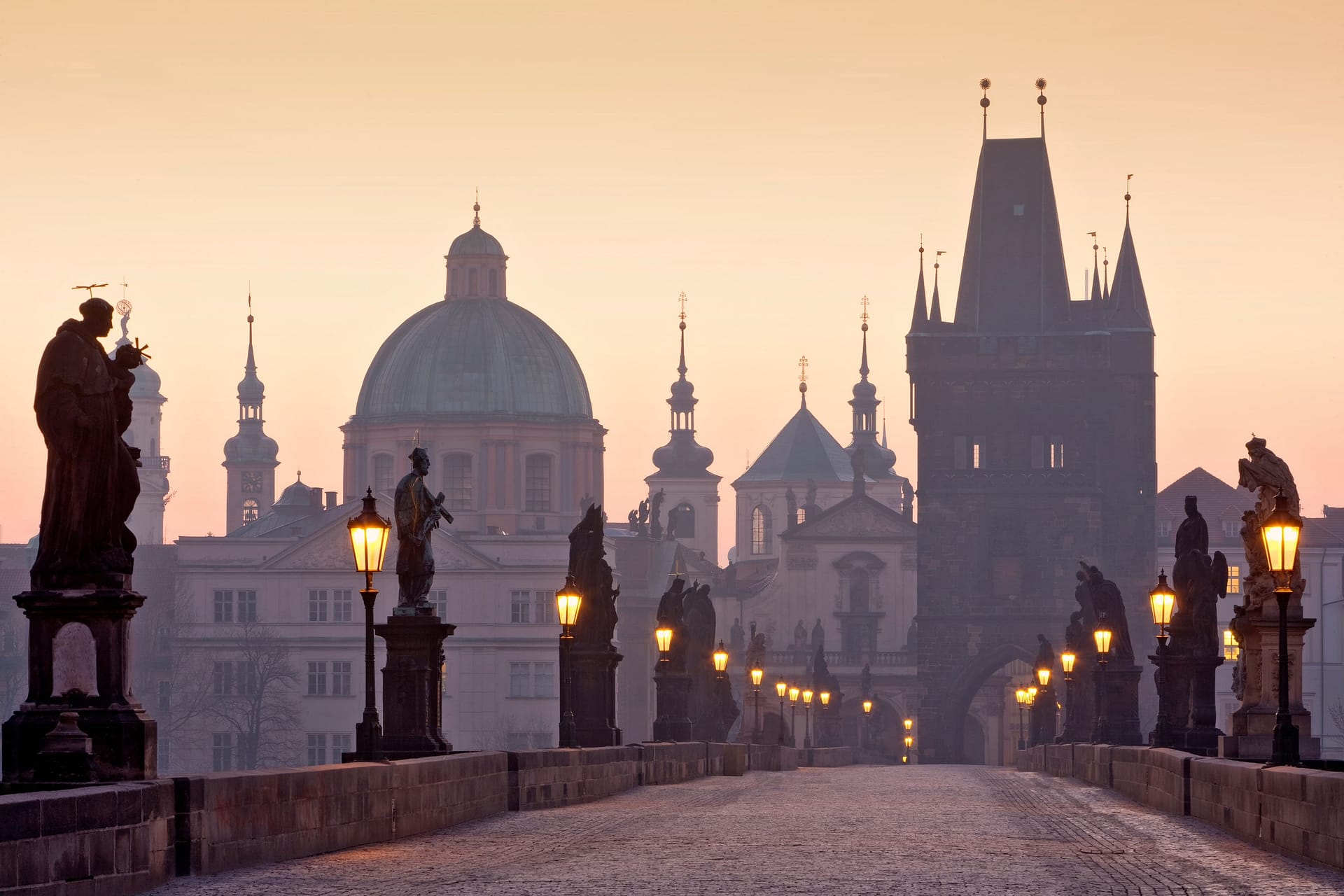
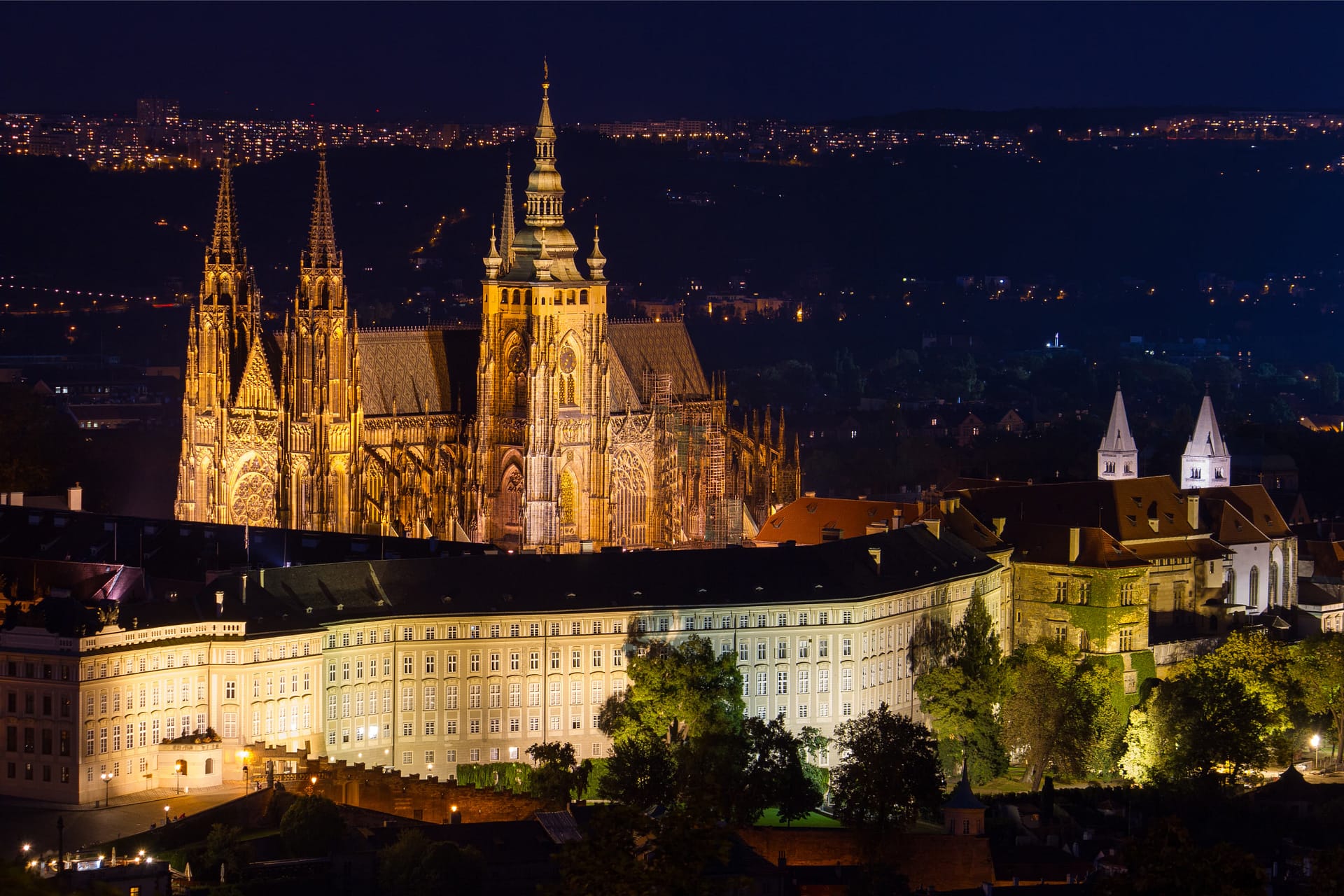
Prague captivates visitors for reasons that extend far beyond its postcard-perfect aesthetics. The city offers an intoxicating blend of romance, history, and authentic European culture at a fraction of the cost of other major capitals. Walking across the Charles Bridge at sunrise, exploring the winding medieval streets of Old Town, or gazing up at St. Vitus Cathedral from Prague Castle provides experiences that feel transported from a fairy tale. Beyond landmarks, Prague thrives as a vibrant cultural hub with world-class museums, classical music performances in historic concert halls, and a brewery culture that produces some of Europe's finest beer.
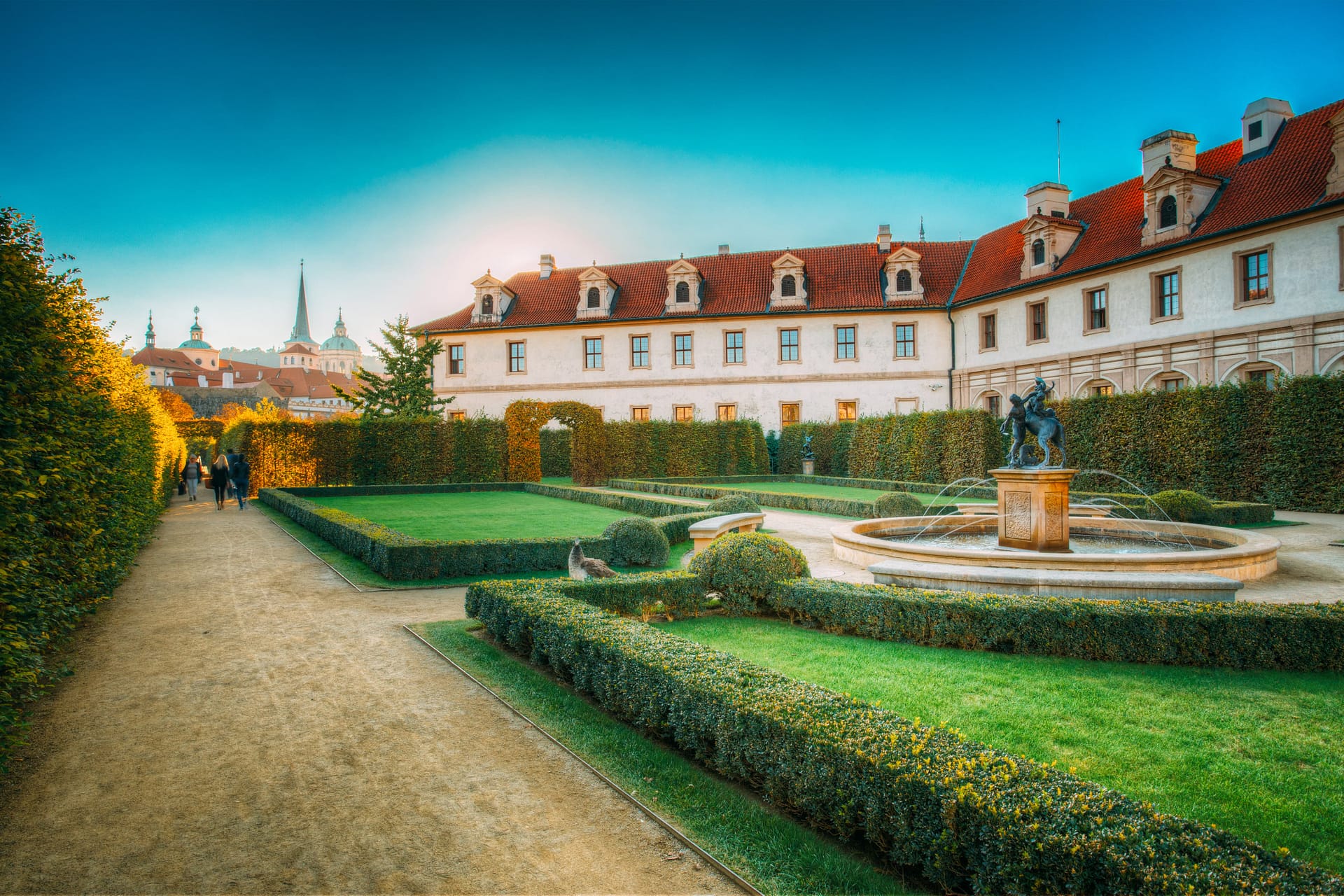
The city's compact geography—where major attractions concentrate within a 2-3 kilometer radius—makes exploration effortless, allowing you to discover everything from famous sights to hidden courtyards and secret gardens within days. Whether you're a history enthusiast seeking to understand Central European heritage, a food lover eager to taste authentic Czech cuisine, an architecture aficionado marveling at centuries-old buildings, or simply someone seeking to experience one of the world's most beautiful cities, Prague delivers on every level. The city's affordability means you can enjoy world-class accommodations, dining, and attractions without the premium prices demanded by Paris, Venice, or Barcelona, making it an exceptional value for European travelers.
Best of Prague
Best Hotels in Prague

Best Things to Do in Prague

Prague Travel Tips
Best Time to Go
Prague experiences a moderate continental climate with four distinct seasons, each offering different advantages and challenges for visitors.
Spring (March to May): Spring brings warming temperatures ranging from 8°C (46°F) in March to 18°C (64°F) in May, along with increasing daylight extending to 15 hours by May's end. Gardens and parks burst into vibrant bloom with spring flowers, while occasional rain brings refreshing interludes. Spring showers tend to be light and brief, followed by clear skies. Accommodations and attractions become busier through May as families plan school holidays, but prices remain considerably lower than summer peaks.
Summer (June to August): Summer delivers consistently warm weather (20-30°C or 68-86°F) with July reaching peak heat at 26°C (79°F), extended daylight until 9:10 PM enabling evening activities, and warm outdoor café culture. However, summer is peak tourist season bringing crowded attractions, premium accommodation pricing (40-60% above shoulder season rates), occasional afternoon thunderstorms, and congestion at major sights. July sees some rain (13 days monthly), though August remains drier.
Autumn (September to October): September offers what many consider Prague's ideal conditions—warm days (21°C/70°F) without summer crowds, excellent visibility for photography, harvest season dining celebrating fresh produce, and major music festivals. October remains pleasant (15°C/59°F) with beautiful fall foliage and fewer tourists, though daylight noticeably shortens and cool rains become more common. Autumn prices remain 20-25% below summer peaks while offering superior experiences.
Winter (December to February): Winter creates a magical atmosphere with Christmas markets from late November through early January, festive decorations, and potential snow creating postcard-perfect scenes. However, temperatures drop to 5°C (41°F) in average conditions with January hitting lows of -1°C (30°F). Winter daylight shrinks dramatically (under 10 hours daily), frequent rain falls as sleet or snow, and bitter winds make extensive outdoor exploration challenging. Accommodation costs plummet 35-45% below summer peaks, but you'll need winter clothing and may face limited daylight for sightseeing.
The best months to visit Prague are May, September, and October, with May and September representing peak ideal conditions combining comfortable temperatures (15-22°C), minimal rain, manageable crowds, reasonable pricing, and comprehensive access to attractions and outdoor activities. If maximizing value takes priority over weather, November through February offers dramatic accommodation savings and authentic local atmosphere, despite weather challenges.
Weather in Prague
How to Save Money in Prague
Stay in hostels or budget guesthouses Mostly, they are located outside the Old Town and Prague Castle areas, where nightly rates drop significantly compared to historical center properties. Utilize the Prague Tourist Pass or multi-day public transport tickets to access unlimited metro, tram, and bus travel for 24-72 hours at fixed rates rather than paying per journey. Consider guesthouses in neighborhoods like Vinohrady or Žižkov, where local restaurants and shops offer better value than tourist-heavy areas.
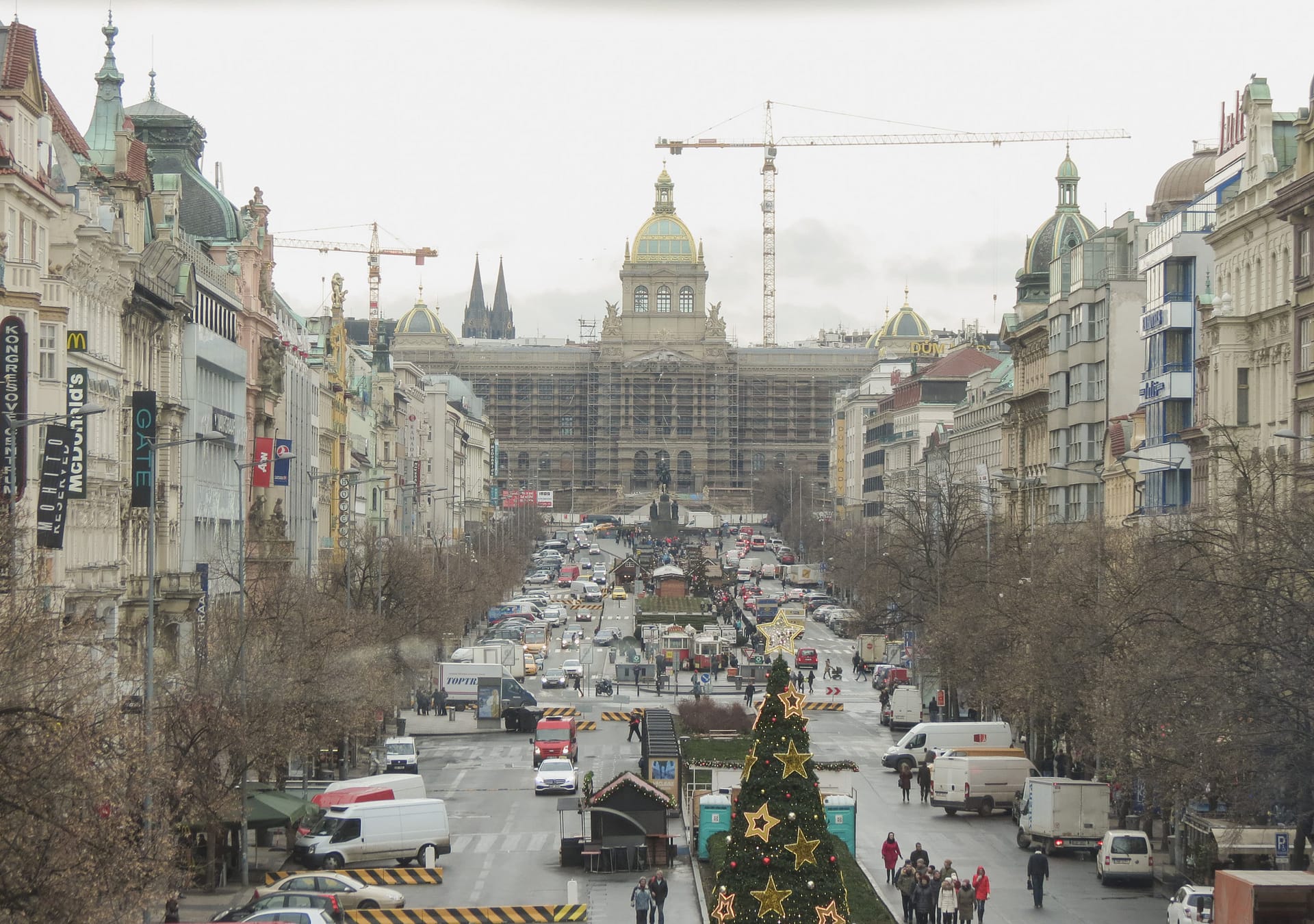
Eat lunch at local pubs (hospody) You can order the daily lunch menu (polední menu), which delivers a full-course meal for under €10. Purchase breakfast items and picnic supplies from supermarket chains like Albert, Billa, or Tesco at a fraction of café prices. Venture just beyond major tourist squares—Old Town Square, Wenceslas Square, Lesser Town—where restaurants serving locals charge 30-40% less than tourist-trap venues.
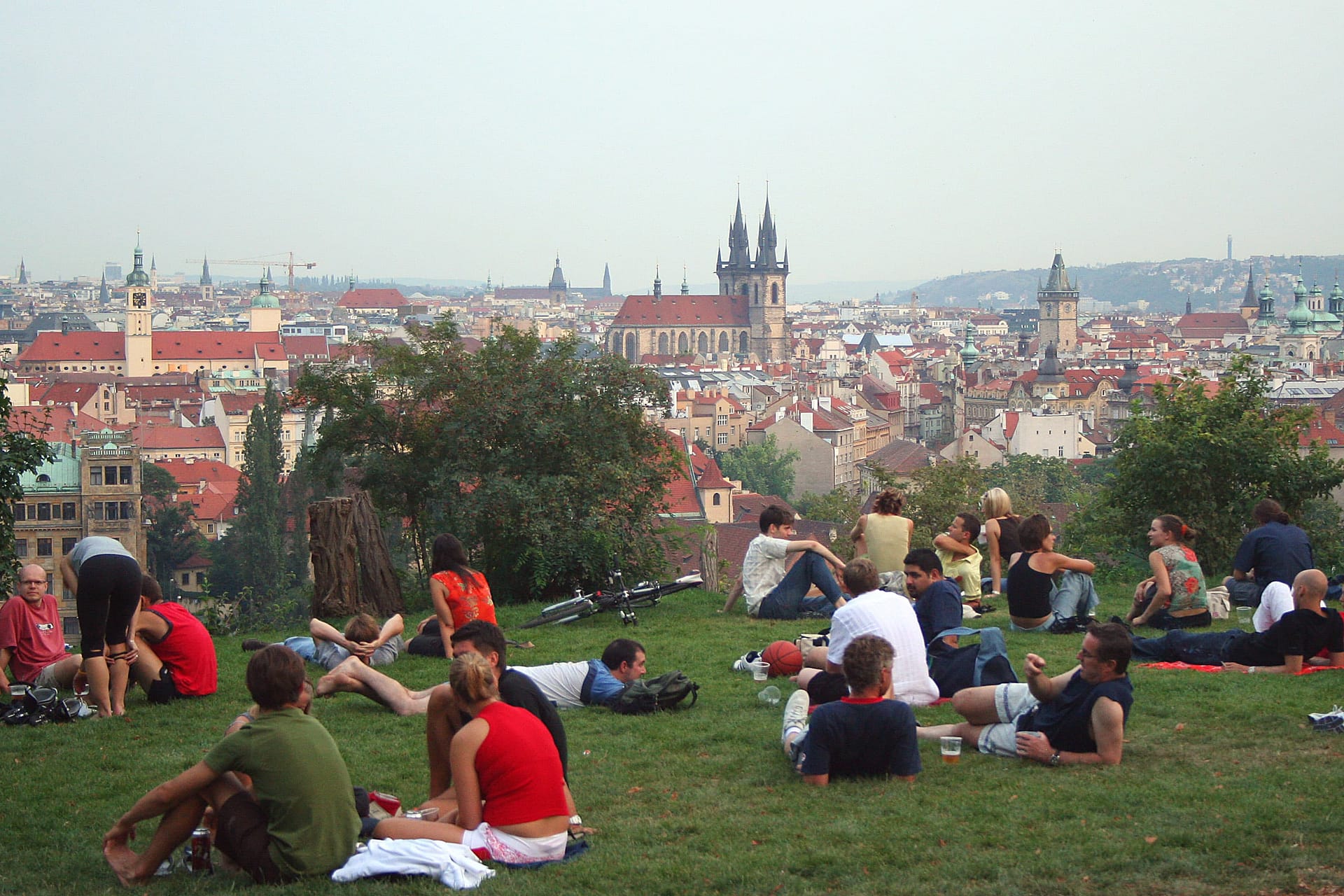
Prioritize free attractions These include Charles Bridge, Old Town Square exterior grounds, parks like Riegrovy sady and Letná Park (offering spectacular sunset views), and neighborhood wandering. Utilize tip-based free walking tours instead of paid guided tours. If visiting multiple paid sites, evaluate the Prague Tourist Pass value against individual attraction fees rather than assuming passes always save money.
Cash remains king in local establishments
While tourist zones increasingly accept cards and contactless payments, authentic Czech restaurants, corner shops, and outdoor markets still overwhelmingly prefer cash payments. Withdraw Czech crowns (CZK) from ATMs rather than exchanging currency at tourist exchange booths, which typically charge substantial markups. Most ATMs offer favorable exchange rates and minimal fees for international users.
Public transport requires purchased tickets
Unlike many European cities, Prague's tram, metro, and bus systems require validation of purchased tickets when boarding—there are no posted ticket collectors. Purchase 90-minute, 24-hour, or 72-hour passes from orange/yellow machines at stations, tram stops, major intersections, or onboard vehicles. Always validate tickets upon boarding to avoid €100+ fines if caught without valid documentation.
Walking is the primary sightseeing method
Prague's historic center covers a remarkably compact area walkable end-to-end in roughly 90 minutes. The city's charm emerges through spontaneous exploration of side streets, courtyards, and neighborhood corners that no guidebook captures. Comfortable walking shoes and willingness to meander through winding medieval streets without strict itineraries yield the most memorable Prague experiences. Old Town Square and Charles Bridge get crowded mid-morning through evening; visiting during early morning or late evening hours minimizes crowds.
Culture & Customs
Czech culture blends medieval history with modern European sensibility, creating distinctive customs that enhance any traveler's experience. Czechs are formal in initial interactions, preferring proper address using titles and surnames until invited to use first names, combined with firm handshakes and direct eye contact when greeting. The culture deeply values punctuality, with lateness perceived as disrespectful; social interactions and business meetings expect exact arrival times, making Czech reliability legendary throughout Europe. Personal space holds sacred importance—Czechs maintain comfortable physical distance, avoid excessive physical contact, and prefer quiet over boisterous behavior in public spaces. When visiting someone's home, remove shoes at the entrance and offer small gifts like chocolates or wine bottles as thoughtful gestures. In restaurants and cafes, wait for hosts to seat you, maintain European table manners (fork left, knife right), and always say "Dobrou chuť" before eating—a custom that reflects respect for the meal and companions.
Czechs minimize small talk and appreciate genuine conversation moving beyond weather discussions into substantive topics about history, culture, hobbies, or current events. The country's strong beer culture makes beer consumption central to social interaction; toasting with "Na zdraví!" (to your health!) while maintaining eye contact is customary when enjoying drinks. Expressing admiration for Czech art and architecture fosters warm exchanges with locals, while disrespectful behavior toward cultural sites or monuments is frowned upon in this nation proud of its artistic heritage. Public decorum matters—loud conversations on public transport and in quiet venues are considered impolite, and Czechs appreciate quiet, discrete behavior. The culture maintains strong respect for tradition and history, making it important to treat historic sites and monuments with appropriate reverence. Understanding these nuances allows visitors to connect authentically with locals and experience Prague beyond the tourist veneer.
What to Eat
Prague's cuisine represents Central European comfort food at its most satisfying, with hearty meat-centric dishes reflecting centuries of Czech culinary tradition passed down through generations. Traditional meals often begin with soul-warming soups—Kulajda (creamy potato soup with mushrooms, dill, and poached egg) defines Czech comfort food, while Česnečka (garlic soup) and Bramboračka (potato soup) provide budget-friendly options served in every hospoda. The classic Czech main course Vepřo-knedlo-zelo pairs roast pork with bread dumplings and sauerkraut—a trinity of flavors so iconic that locals joke about it being the national identity on a plate. Svíčková presents beef sirloin swimming in creamy vegetable sauce (made differently by every restaurant), while Pečená kachna (roast duck with cabbage and dumplings) showcases poultry preparations. Smažený sýr (fried cheese) represents Czech pub culture at its finest, with Lokál restaurants frying fresh cheese in butter until golden and crispy—the most iconic beer pairing in Prague.
Dumplings transcend side-dish status to become standalone experiences; bread dumplings (houskové knedlíky) soak up sauce magnificently, while potato dumplings (bramborové knedlíky) provide lighter options. Fruit dumplings (ovocné knedlíky) filled with apricots or strawberries blur the line between main and dessert, served with butter, sugar, and sweet condiments. Beer snacks (pivní jídla) dominate pub menus—Prague ham with horseradish cream, pickled sausages (utopenec), headcheese with vinegar, and blood sausages showcase the country's renowned sausage culture. Where to eat: traditional hospody (Czech pubs) in Žižkov and Holešovice serve authentic dishes at local prices; Lokál pubs across the city offer excellent traditional food in casual atmosphere; Café Savoy features killer fruit dumplings; Sisters bistro reinvents Czech classics with Scandinavian influences. Ignore touristy Old Town Square restaurants charging triple prices; instead explore neighborhoods like Vinohrady and Karlín where locals dine. Street food includes trdelník (spiral pastry with cinnamon and sugar) and klobása (Czech sausages), both offering satisfying snacks for under €3. Czech beer (pilsner style with lower alcohol content and superior hops) pairs with every meal—U Matěje and small neighborhood hospodies pour exceptional local brews rarely found elsewhere.
Safety
Prague consistently ranks as one of Europe's safest capitals for tourists, with crime statistics significantly lower than major cities like Paris, Barcelona, or Berlin. Violent crime remains extremely rare, with the U.S. State Department and UK travel advisories both noting that Czechia is generally safe, with vigilance needed mainly for petty crimes. However, petty theft and pickpocketing represent the primary concern in tourist-heavy areas and on public transport—Prague records just 2.31 theft-related mentions per million visitors, far below Paris (25 mentions) or Barcelona (17.82). Practical security measures reduce risks significantly: use cross-body bags with zippers in crowds, avoid leaving phones on cafe table edges, don't store valuables in back pockets, and maintain normal city awareness.
Tourist-targeted scams exist but remain less frequent than in some major capitals—suspicious ATM helpers, overpriced taxis, street money exchanges, and "too-friendly" strangers occasionally target tourists in the most touristy areas, making wariness appropriate. Nightlife presents standard urban risks including bar overpricing, phone or wallet loss, and occasional aggressive drunk behavior; mitigate these by using official taxi apps like Bolt or Lido rather than catching random street taxis, staying with groups when possible, and avoiding overly intoxicated states. Prague's police presence is strong, emergency services are reliable, and most areas feel comfortable for solo travelers and women, making it one of the safest European capitals for independent exploration.
How to Get Around Prague
Prague's integrated public transportation system seamlessly connects metro, trams, buses, and even ferries through a single unified ticket system, making navigation effortless for visitors. The metro backbone consists of three color-coded lines—A (green), B (yellow), and C (red)—running 5 AM to midnight with trains arriving every 2-4 minutes during peak hours and every 5-10 minutes off-peak, reaching all major districts and attractions. Trams represent Prague's most iconic transport and cover 142 kilometers with day lines (1-26) running 5 AM to 12:30 AM every 4-8 minutes, while night lines (91-99) operate midnight to 5 AM every 30 minutes meeting at Lazarská for easy transfers. Buses fill coverage gaps in suburban areas and operate day (4:30 AM-12:30 AM) and night service (12:30 AM-4:30 AM). The historic Tram 22 passes Prague Castle, Malá Strana, and National Theatre—a moving sightseeing experience. Purchase 90-minute tickets (50 CZK) for single journeys or 24-hour passes (120 CZK) for unlimited travel; validate in yellow machines on board to avoid 700+ CZK fines.
The compact historic center (1.5 x 2 kilometers) makes walking the primary mode for sightseeing—Charles Bridge to Prague Castle covers 1.2 kilometers with uphill sections in 20-30 minutes at moderate pace. Cobblestone streets demand sturdy walking shoes with good ankle support and slip-resistant soles. Evening walks showcasing illuminated architecture prove particularly atmospheric. Maps.me provides reliable offline navigation, though intentionally getting lost in the historic center creates serendipitous discoveries since compact geography prevents serious disorientation. Cycling offers another excellent option, with bike rental shops throughout the city; peaceful riverside paths and park routes provide scenic alternatives to crowded streets.
Entry & Exit Requirements
US citizens enjoy visa-free entry to the Czechia (or Czech Republic) for stays under 90 days within any 180-day period under the Schengen framework. No visa application is required—simply arrive with a valid passport and present it at border control. However, from October 12, 2025, the EU's Entry/Exit System (EES) requires biometric data collection (fingerprints and facial image) for all non-EU visitors upon arrival at Prague Airport; while no advance preparation is necessary, border guards will guide you through the process, though expect potential delays of 45 minutes or longer during busy periods.
The critical restriction: your 90-day visa-free stay cannot be extended and cannot be converted to a long-stay visa while in country—once the 90-day limit arrives, you must leave the Schengen Area, with limited exceptions only for medical emergencies. Ensure your passport contains at least three months validity beyond your intended departure date, though six months is recommended. The rolling 180-day calculation means days spent across any Schengen country (not just Czechia) count toward your 90-day limit; relying on the outdated "just leave for a day and come back" trick no longer works reliably due to EES biometric tracking. Visitors do not need to register with police for typical tourist stays. International health insurance is recommended though not required, and travel insurance protecting against cancellations and emergencies proves worthwhile for international travelers. For more information, visit the U.S. State Department's website.