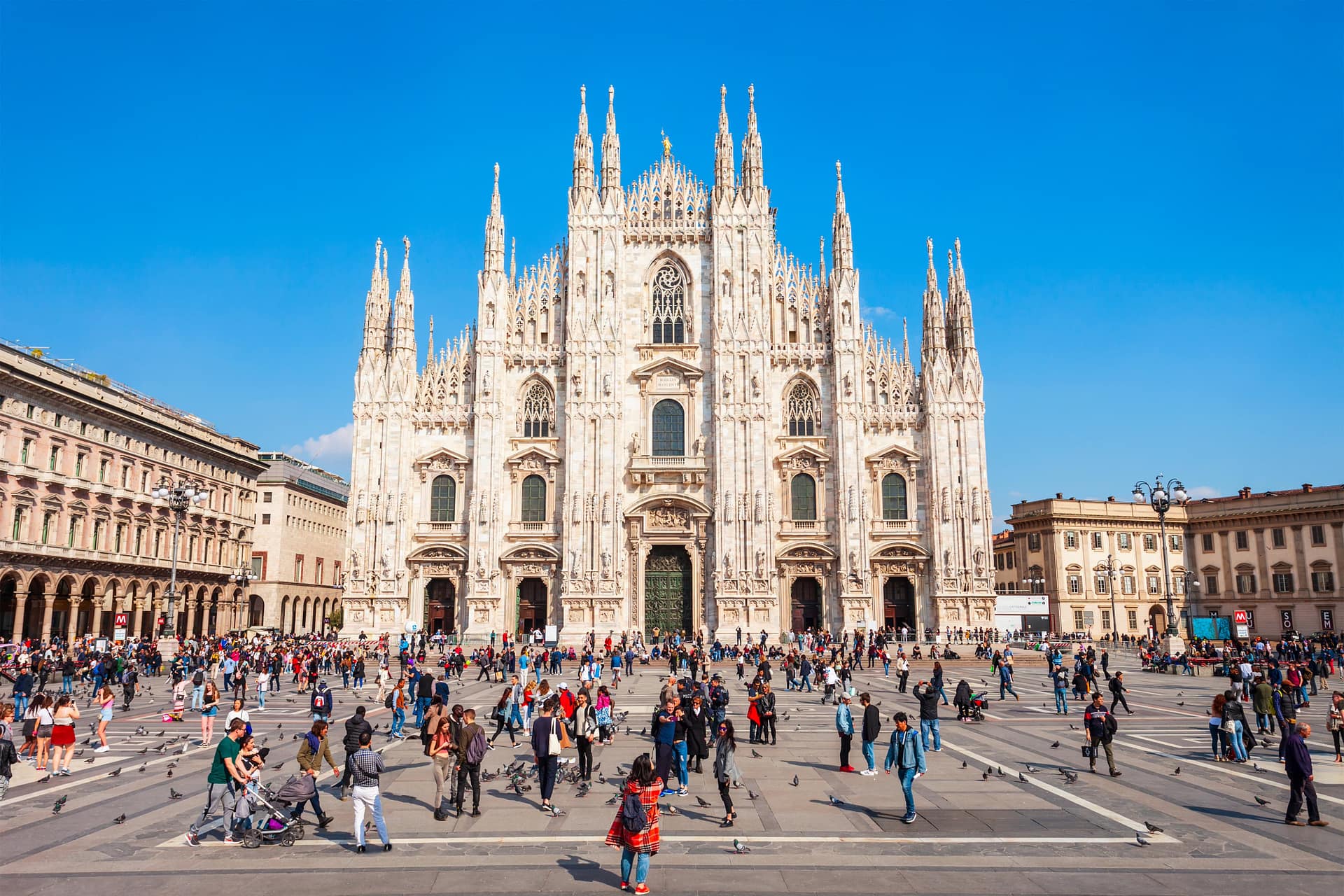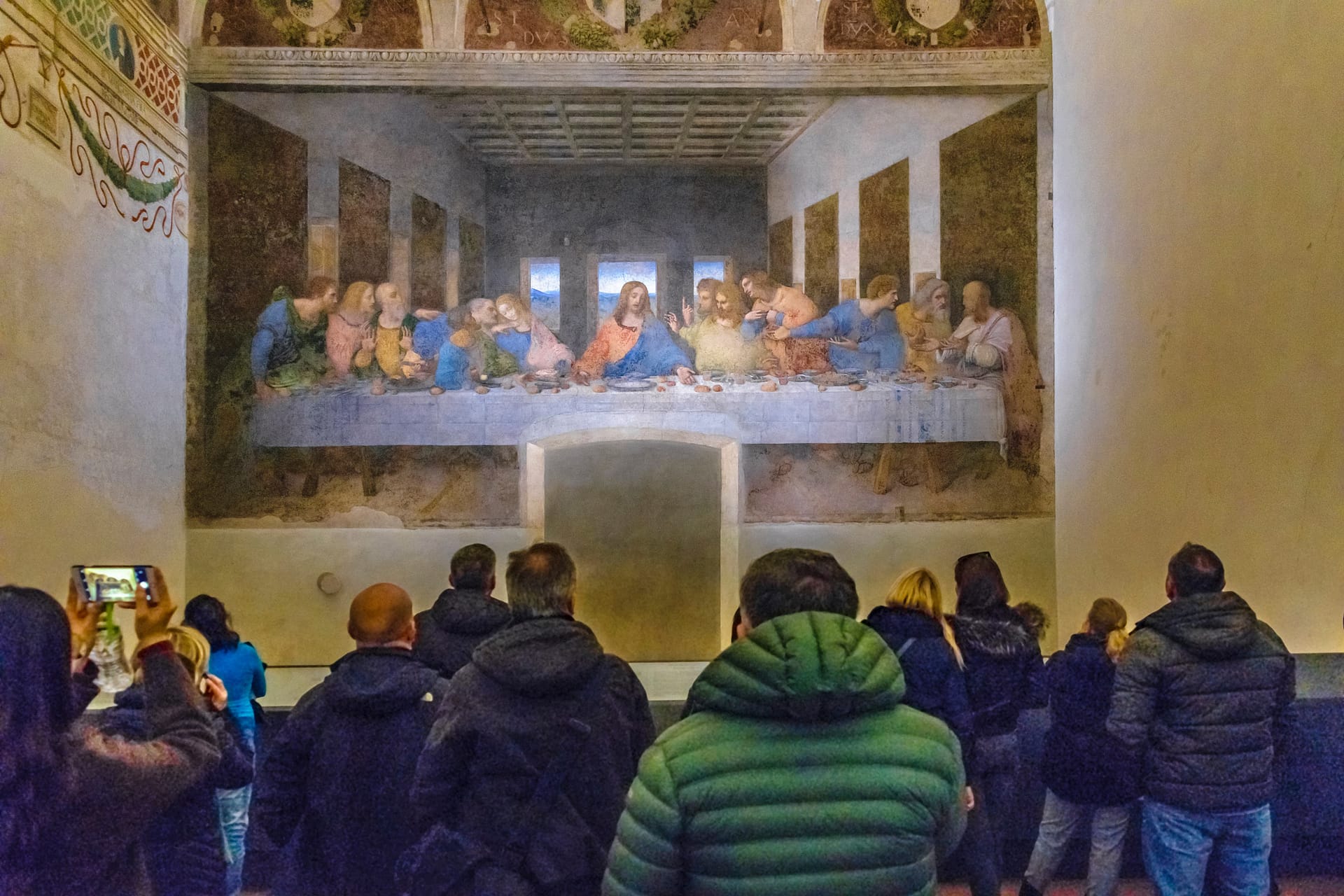


Milan is one of Europe's most dynamic and sophisticated cities, a place where centuries-old Renaissance heritage seamlessly blends with cutting-edge contemporary design and fashion. Known worldwide as the global fashion capital, Milan hosts the prestigious Milan Fashion Week and attracts designers, trend-setters, and style enthusiasts from around the globe. Beyond its glamorous reputation, the city offers an incredible wealth of cultural treasures, including Leonardo da Vinci's iconic "The Last Supper" and the breathtaking Gothic cathedral that took nearly six centuries to complete.
Whether you're a fashion enthusiast, art lover, history buff, or simply someone seeking an authentic Italian experience, Milan delivers memorable experiences at every corner. This comprehensive guide will help you navigate the city like a local, discover hidden gems, enjoy authentic Milanese cuisine, and make the most of your visit while respecting the city's unique customs and culture.
About Milan
Milan, the capital of Lombardy in northern Italy, is the country's second-largest city and a global center for art, design, fashion, and commerce. Located in the Po Valley region, Milan has been a major trading hub for centuries and continues to be one of Italy's most important economic centers. The city is home to approximately 1.4 million residents within its municipal boundaries, with millions more in the surrounding metropolitan area. Milan's influence extends far beyond Italy's borders—it sets global fashion trends, hosts world-renowned design exhibitions, and preserves some of humanity's most precious artistic masterpieces. From the opulent marble spires of the Duomo to the modernist architecture of contemporary neighborhoods like Porta Nuova, Milan represents a fascinating collision of the historical and the futuristic.
Why Go to Milan
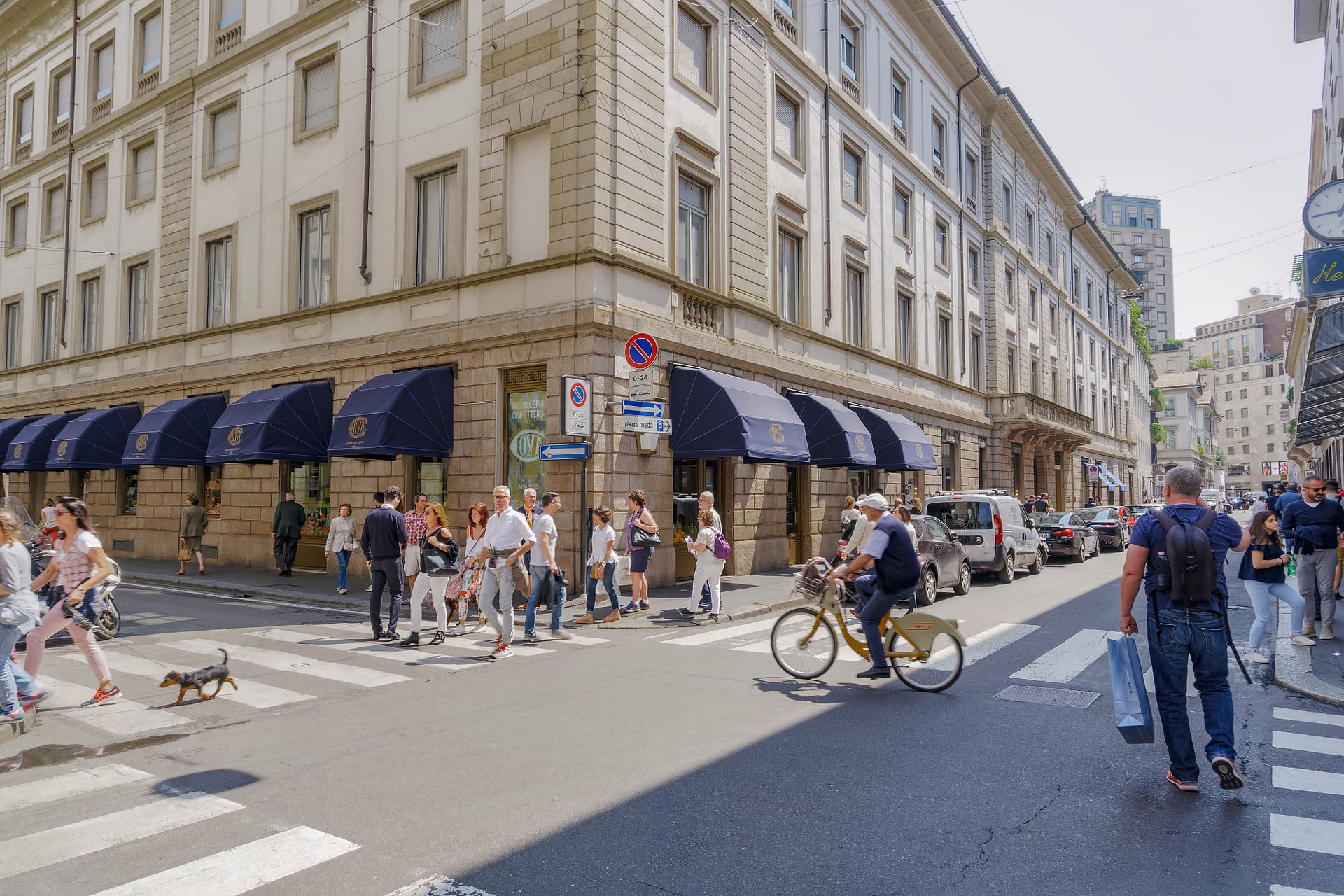
Milan offers a compelling array of reasons to visit, regardless of your travel interests. Fashion enthusiasts will find themselves in paradise, with access to flagship stores of every major luxury brand concentrated in the famous Quadrilatero della Moda shopping district. Art and history lovers can stand before Leonardo da Vinci's masterpiece "The Last Supper" at the UNESCO-protected Santa Maria delle Grazie, an experience that ranks among the world's most profound cultural moments.
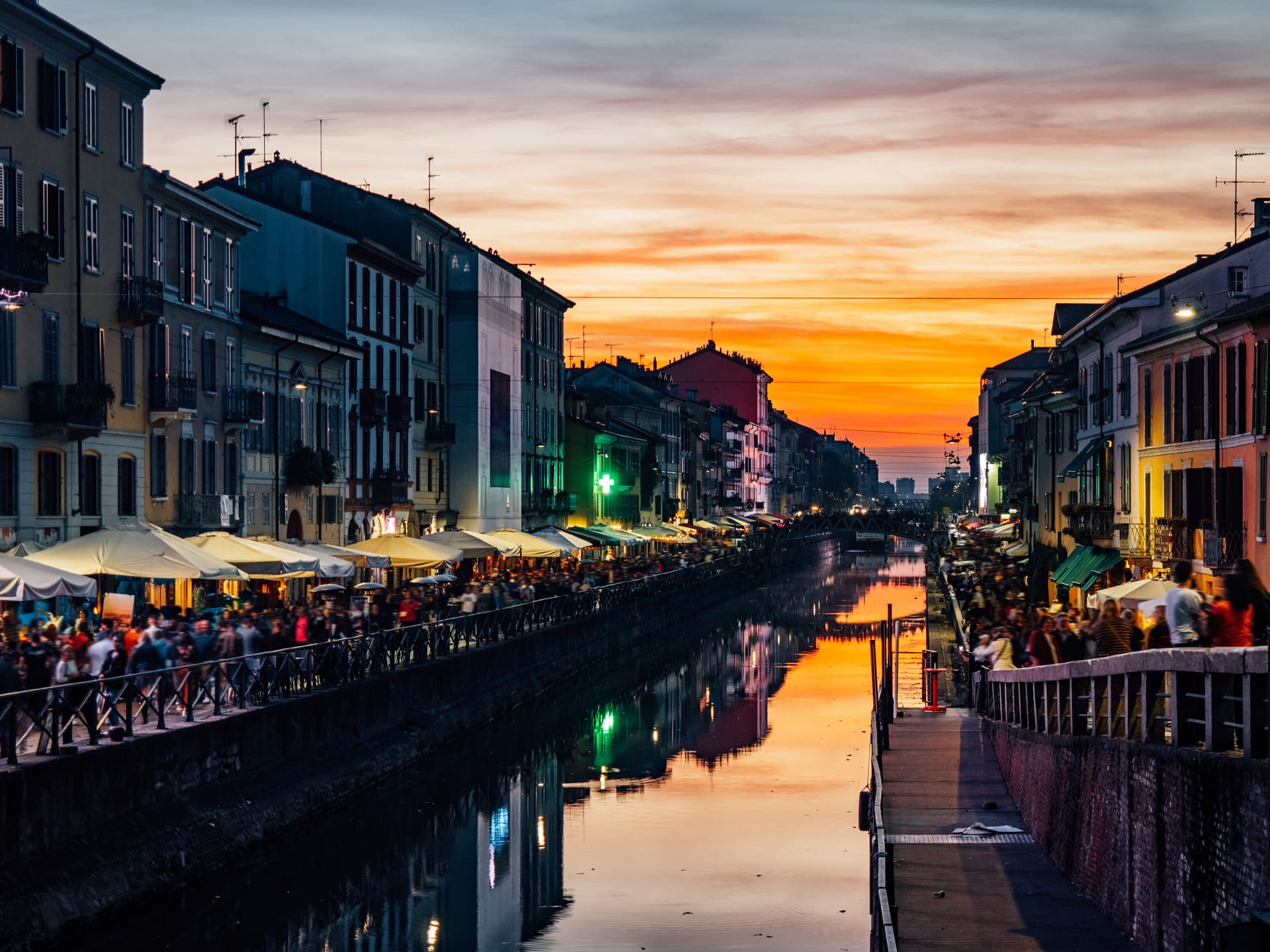
The Milan Cathedral (Duomo di Milano) stands as one of the world's largest and most intricate Gothic structures, its white marble façade and elaborate decorative details representing centuries of architectural achievement. Beyond these marquee attractions, Milan surprises visitors with authentic neighborhoods like Navigli, where centuries-old canals lined with trattorie create a distinctly Venetian charm within the fashion capital. The city also serves as an excellent base for exploring northern Italy, with easy day-trip access to Lake Como's elegant shores, the Italian Lakes region, and the charming towns of Tuscany.
Best of Milan
Best Hotels in Milan

Best Things to Do in Milan

Milan Travel Tips
Best Time to Go
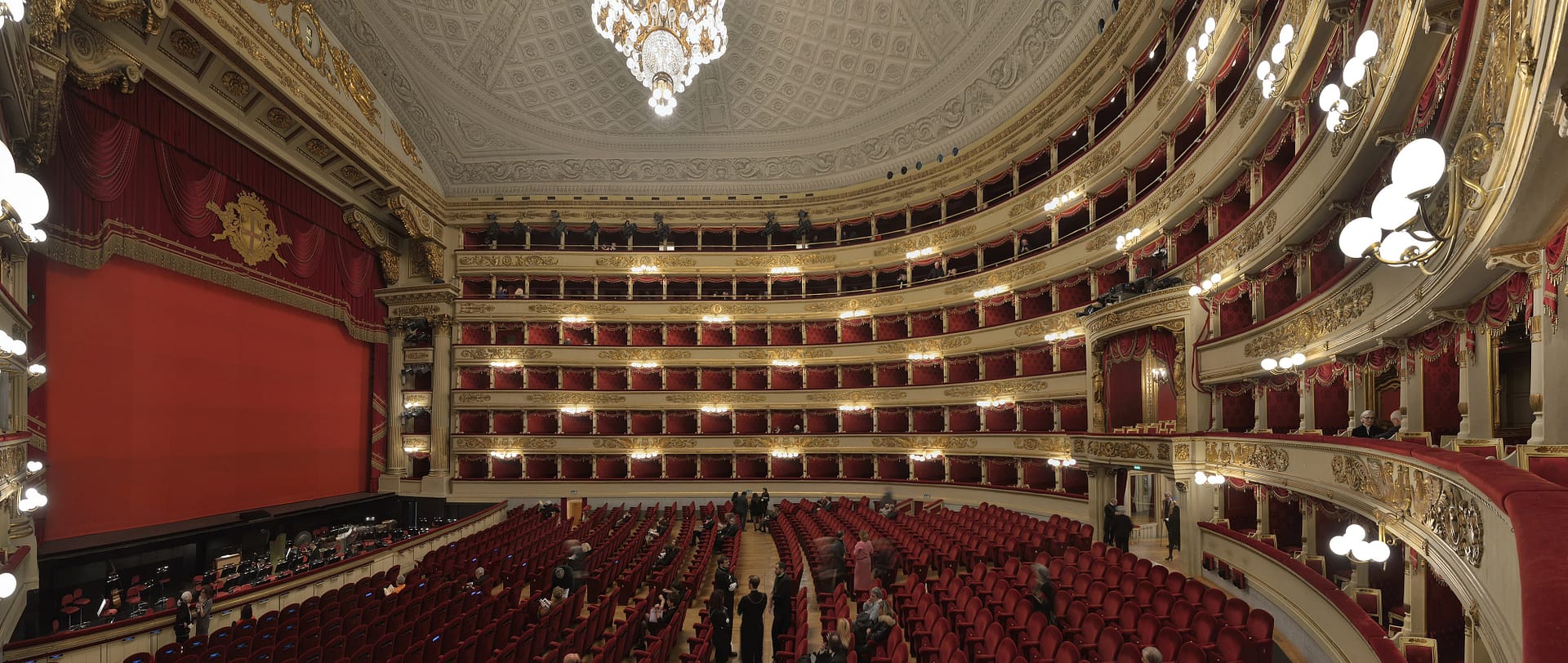
Spring and fall represent the optimal seasons for visiting Milan, offering a perfect balance of comfortable weather, manageable crowds, and vibrant city energy. Late March through May provides the most consistently pleasant conditions, with mild daytime temperatures ranging from 10-20°C (50-68°F), fewer tourists than peak summer months, and more affordable accommodation prices. The city's famous gardens bloom with colorful flowers during spring, and cultural events accelerate as the opera season continues at Teatro alla Scala. September through early November delivers similar advantages—pleasant 10-24°C (50-75°F) temperatures, lower accommodation costs compared to summer, and rich autumn light perfect for photography and sightseeing.
Summer visitors should prepare for intense heat and humidity, with temperatures frequently exceeding 35°C (95°F) and the city becoming crowded with international tourists. July and August are particularly challenging, as many local Milanese depart for their summer homes, leaving museums, restaurants, and attractions with reduced hours or temporary closures. Winter (December-February) brings cold temperatures near or below freezing, frequent fog, and reduced daylight hours, though you'll benefit from the lowest accommodation prices and smallest tourist crowds.
Specific events can influence timing decisions: February and September host Milan Fashion Week, the world's most prestigious fashion events; April features the Salone del Mobile (Design Week); December showcases Christmas markets and the beginning of the opera season. May and June can experience occasional rainstorms typical of northern Italy, so pack an umbrella regardless of season.
These shoulder-season months (April-May and September-October) are the ideal combinations of favorable weather, manageable crowds, reasonable pricing, and cultural vibrancy. April brings Design Week, May features blooming gardens and pleasant conditions, while September-October offers warm days, cool evenings, and the city's transition into fall with its own particular beauty.
Weather in Milan
How to Save Money in Milan
Embrace the aperitivo tradition The Milanese aperitivo ritual (typically 6-9 PM) offers exceptional value: order a drink for €10-15 and receive complimentary appetizers or access to an all-you-can-eat buffet of snacks. This transforms an evening activity into a complete meal, reducing dinner costs by 50-70% compared to traditional restaurant dining. It's also an authentic way to observe local social customs and enjoy the city's vibrant pre-dinner atmosphere.
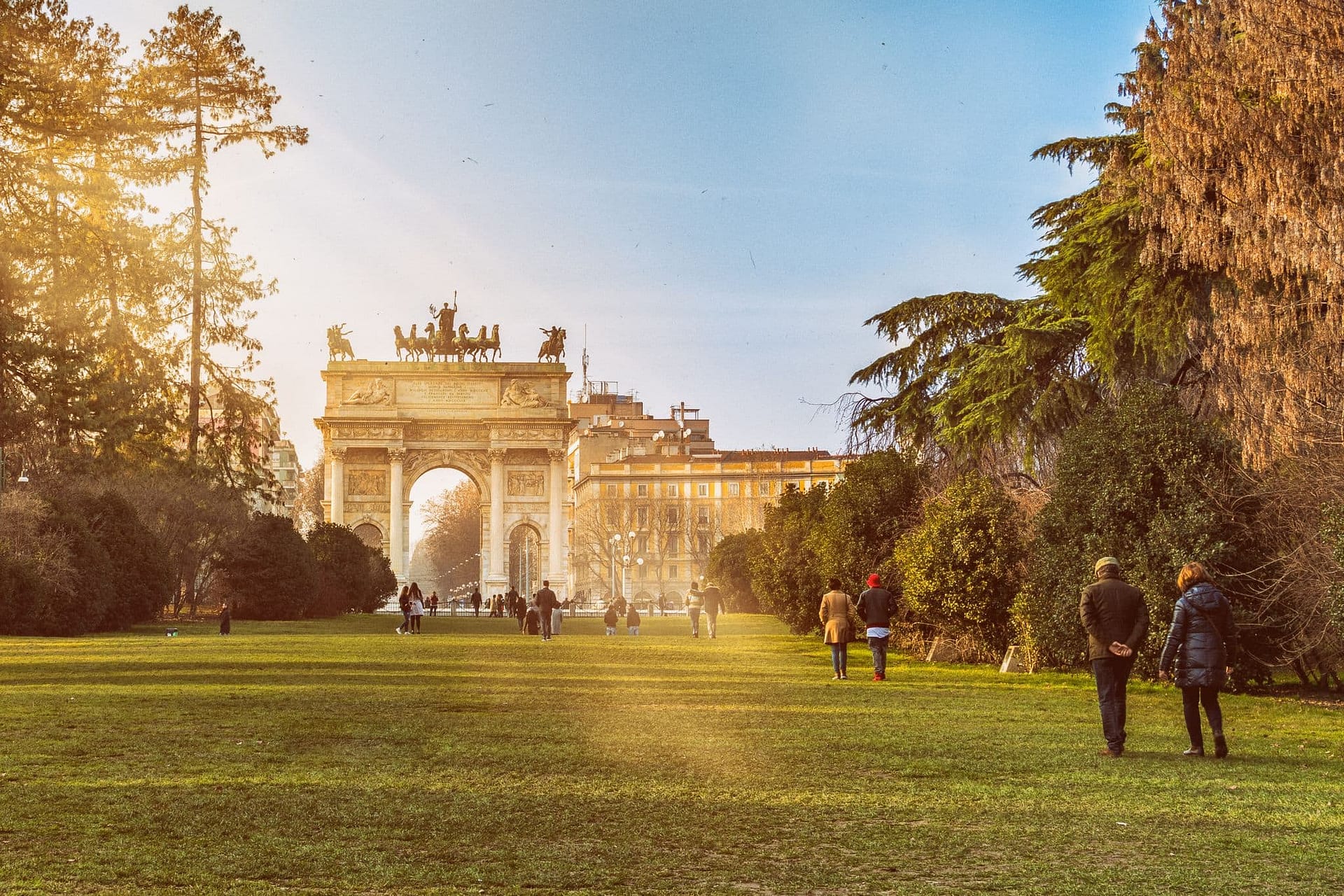
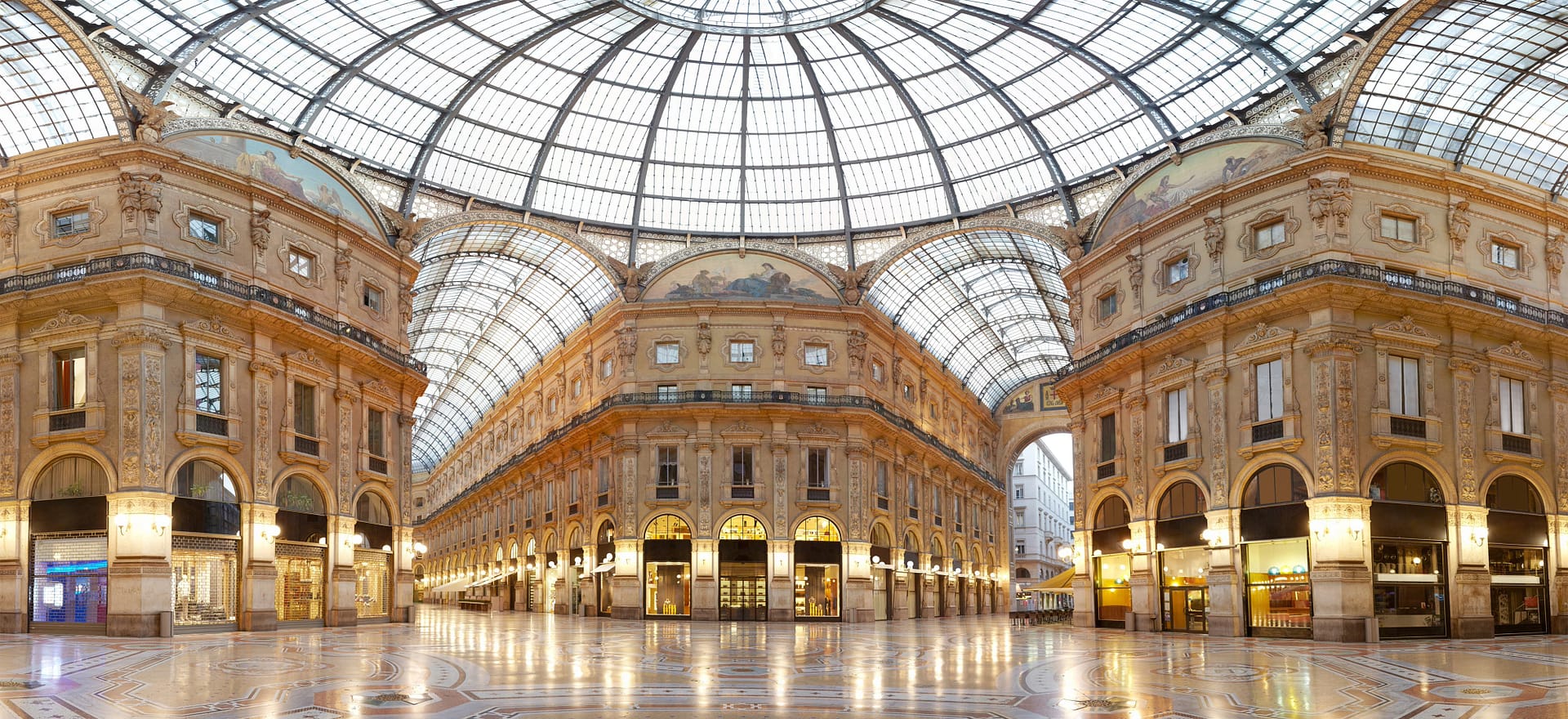
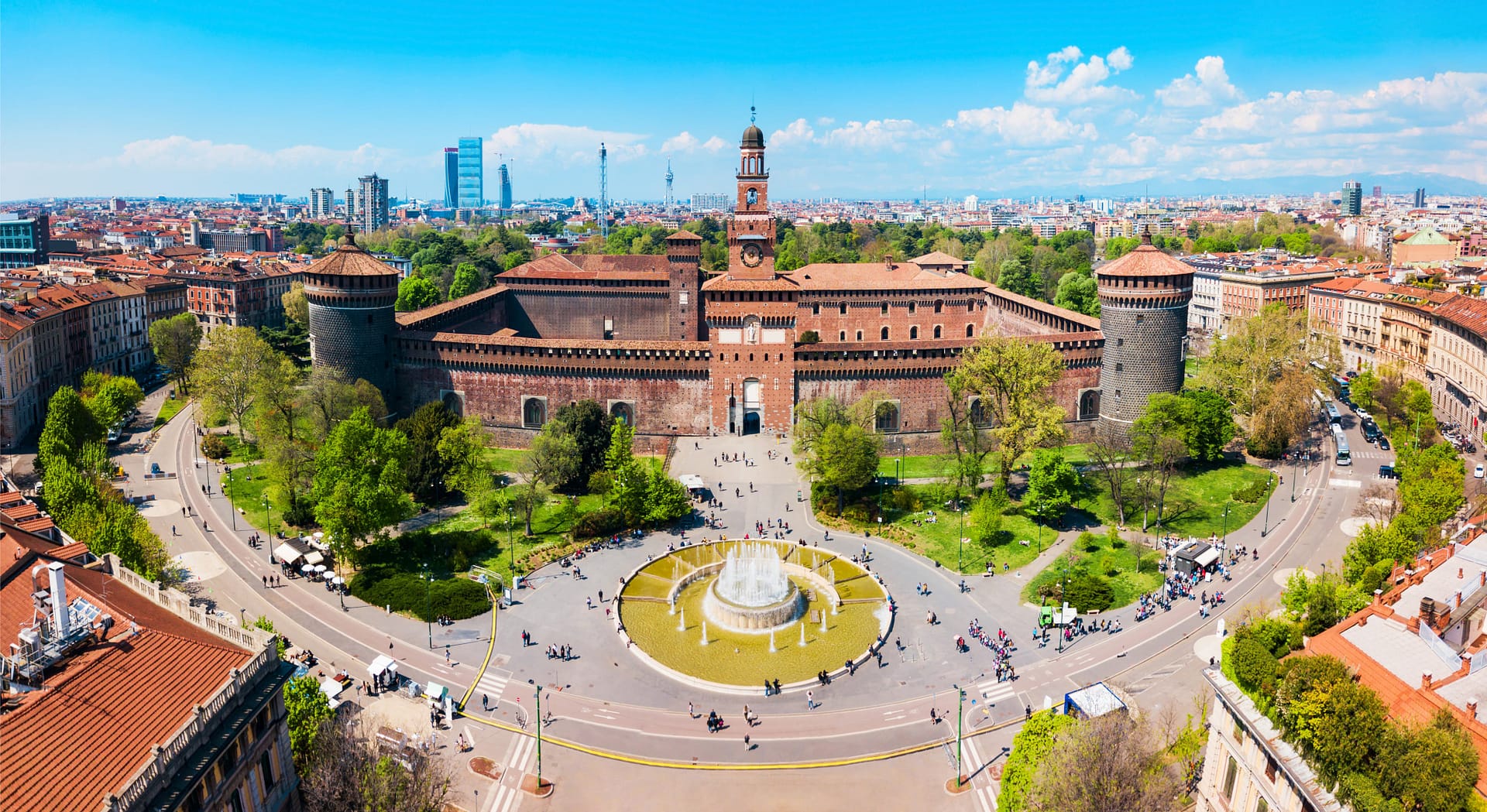
Use the Milano Card for museum access The 48-hour Milano Card costs €17 and includes unlimited metro/public transportation access plus free or discounted entry to 12+ major museums and cultural sites, typically saving €15-20 for culture-focused itineraries. Free attractions like Sforza Castle courtyard, Galleria Vittorio Emanuele II, Navigli canal district walks, and Parco Sempione supplement paid admissions, enabling rich cultural experiences without excessive spending.
Dine like a local at neighborhood trattorias Skip expensive tourist-zone restaurants and seek lunch prix-fixe menus at neighborhood trattorias, where two-course meals with wine cost €12-18, versus €30-50 for equivalent evening service at upscale venues. Breakfast at neighborhood bars (cappuccino and cornetto) costs €3.50 versus €7-15 at hotels. Street food destinations like Luini (famous for panzerotti) offer satisfying meals for under €5.
Always validate your public transport ticket
Milanese public transport requires immediate ticket validation upon boarding. Failing to validate results in substantial fines (€50+), even if you purchased the correct ticket. Look for validation machines on trains, trams, and buses, and insert your ticket upon entry—this small step ensures penalty-free travel and prevents awkward interactions with transit authorities.
Watch for pickpockets in crowded areas
Petty crime, particularly pickpocketing, concentrates around major tourist attractions (Duomo, Galleria Vittorio Emanuele II, Central Station), public transportation, and crowded markets. Thieves use distraction tactics, working in pairs to separate you from belongings. Keep wallets and smartphones in front pockets, use crossbody bags with zippers, avoid displaying expensive jewelry, and remain vigilant in crowded spaces—especially on metro lines and during peak hours.
Understand tipping and payment customs
Tipping is not obligatory in Italy; service charges (coperto) are often included in restaurant bills. Leave small change (€1-2) for good service if desired, but it's entirely optional. Milan's public transport system accepts contactless credit cards, debit cards, smartphones, and smartwatches directly on card readers, eliminating the need to purchase physical tickets.
Culture & Customs
Milan's culture emphasizes style, punctuality, and respect for tradition, despite the city's thoroughly modern character. Greetings matter: use "Buongiorno" (good morning) or "Buonasera" (good evening) when entering shops and restaurants, and maintain firm handshakes with new acquaintances. Among friends and family, Italians exchange air kisses on both cheeks, starting from the right side—let locals initiate this more intimate greeting. Eye contact signals respect and engagement during conversations, while maintaining slightly closer personal proximity than northern European norms. Punctuality is genuinely expected, especially for reservations and appointments; informing someone of delays is essential, as arriving late without notice is considered disrespectful.
Milanese value polished, coordinated appearance more than many Italian cities. While casual wear is acceptable for daytime sightseeing, smart-casual attire is preferred for evenings and upscale venues. Ripped jeans, gym clothes, and beach wear are best reserved for appropriate settings. When entering churches or religious sites, cover shoulders and knees as a sign of respect for sacred spaces. Italians are genuinely expressive, using hand gestures to emphasize points in conversation—avoid imitating gestures unless confident of their meanings, as some carry unintended implications.
On public transport, yield seats to elderly passengers and pregnant women, speak quietly, and validate your ticket immediately upon boarding. In museums and historical sites, follow photography rules (many prohibit flash), maintain silence in sacred spaces, and show genuine respect for Italy's rich cultural heritage. Aperitivo culture—the pre-dinner ritual of enjoying a drink with complimentary appetizers—represents an important Milanese social custom, typically occurring 6-9 PM. This is an ideal time to observe local life and engage with the city's social rhythm in an authentic way.
What to Eat
Milan's culinary scene celebrates rich, refined Lombard traditions while embracing contemporary innovation, creating a food culture that rivals any European capital. Risotto alla Milanese stands as the city's quintessential dish—creamy saffron-infused arborio rice finished with bone marrow, its golden color and subtle spice creating an unforgettable flavor profile. This dish appears on nearly every traditional Milanese restaurant menu and represents the region's agricultural heritage. Costoletta alla Milanese (Milanese veal cutlet)—a thin, breaded, and fried veal escalope served with lemon—is equally iconic, found in trattorias throughout the city. Ossobuco (braised veal shank) showcases Milanese sophistication, typically slow-cooked until the meat becomes tender and succulent, the marrow from the bone center providing rich depth.
Seek Mondeghili (Milanese meatballs) at traditional establishments like Al Matarel and Osteria da Brunello, and don't miss Busecca alla Milanese (stewed tripe), a humble dish that reveals the city's comfort-food traditions. Panettone, the distinctive sweet bread studded with dried fruits and candied peel, originated in Milan during the Renaissance and represents the region's holiday traditions. For street food, visit the legendary Luini for Panzerotti (fried dough pockets similar to pizza), paying around €3 per piece. Gorgonzola, northern Italy's famous blue-veined pungent cheese, appears on antipasto platters and in contemporary dishes throughout the city.
The aperitivo tradition provides exceptional value: order a drink (€10-15) and access an all-you-can-eat buffet of appetizers, making this pre-dinner ritual a complete meal. Minestrone Milanese (vegetable and pasta soup) represents traditional comfort food, while contemporary chefs at acclaimed restaurants like Ratanà, La Sala Bistrot, Røst, and Trippa reimagine classic Milanese dishes with modern techniques. Polenta Fine Del Mondo—polenta topped with fried eggs, porcini mushrooms, and white truffle—represents the intersection of tradition and luxury. For proper dining etiquette, remember that Italians savor meals leisurely, wine is consumed in moderation with meals, and service charge is typically included in the bill.
Safety
Milan is widely regarded as safe for tourists, particularly in central neighborhoods like the Duomo area and Porta Nuova, which feature strong security presence and low violent crime rates. However, petty crimes—particularly pickpocketing and bag snatching—occur in crowded tourist zones, major train stations, and during peak travel times. The Duomo, Galleria Vittorio Emanuele II, and Milano Centrale train station attract pickpockets who work in coordinated teams using distraction techniques. Keep belongings in front pockets or secure crossbody bags, avoid displaying expensive jewelry or watches, and remain vigilant without becoming paranoid.
Safe neighborhoods for exploration include Brera (artistic and charming), the Duomo area (bustling with attractions), and Porta Nuova (modern and affluent). Exercise greater caution in Chinatown and around the Central Station, particularly at night. Avoid poorly lit areas and neighborhoods like Quarto Oggiaro and Lorenteggio after dark, though areas like Porta Garibaldi and Isola are generally safe when group-visiting. The Navigli nightlife district requires caution due to narrow alleys and poor lighting after midnight. Public transportation is safe and operates 24/7, though pickpockets are active during crowded periods—keep valuables secure. Using taxis from authorized ranks rather than accepting unofficial transportation is advisable, especially late at night. Emergency number: 112 for police, ambulance, or fire.
How to Get Around Milan
Milan's integrated public transportation network—comprising metro, buses, and historic trams—offers efficient, affordable movement throughout the city. The metro represents the fastest option, with five color-coded lines (M1 red, M2 green, M3 yellow, M4 blue, M5 purple) serving major neighborhoods and connecting to airports. Lines M1 and M3 stop at the central Duomo, while M2 serves Milano Centrale train station. The M4 connects to Linate Airport. Trams provide a charming, iconic way to navigate, with routes 2, 4, 14, and 16 passing through central tourist areas, including the Duomo. Night tram service operates on limited routes, though buses offer more extensive night coverage throughout the city.
Tickets and passes offer flexibility: single 90-minute tickets cost €1.50 (valid for metro, buses, and trams); daily unlimited passes cost €4.50; weekly passes €11.30; monthly passes €35. Contactless payment via credit cards, debit cards, smartphones, and smartwatches directly on transit machines eliminates ticket-purchase queues and automatically applies the cheapest fare available. The Milano Card (€17 for 48 hours) combines unlimited public transport with museum discounts, providing value for culture-focused itineraries. Always validate tickets immediately upon boarding to avoid substantial fines. Many major attractions cluster within walking distance of each other in the city center, making foot exploration feasible and rewarding. Staying centrally reduces transportation needs and walking fatigue while enabling efficient sightseeing sequences across neighborhoods.
Entry & Exit Requirements
For United States citizens, entering Italy in 2026 involves updated requirements. A valid U.S. passport with a minimum of three months' validity beyond your intended departure date is required. Beginning in late 2026, the European Travel Information and Authorization System (ETIAS) will mandate pre-approval for U.S. citizens traveling to Italy or any Schengen country for stays under 90 days. ETIAS is not a visa but an electronic travel authorization—apply online, provide personal information (date of birth, parents' names, occupation history), answer background questions about criminal history and previous travel, and pay a €7 fee. The system processes most applications within seconds to four days, though complex cases may require longer. Approval electronically links to your biometric passport and is automatically verified upon arrival. Apply at least one month in advance to avoid delays. Once approved, ETIAS remains valid for three years and covers multiple visits without requiring new applications for each trip. Currently (early 2026), U.S. citizens may still enter visa-free under existing arrangements, but confirm current requirements before booking travel, as implementation timelines are subject to change. Visit the U.S. State Department's website for the latest information on foreign exit and entry requirements.