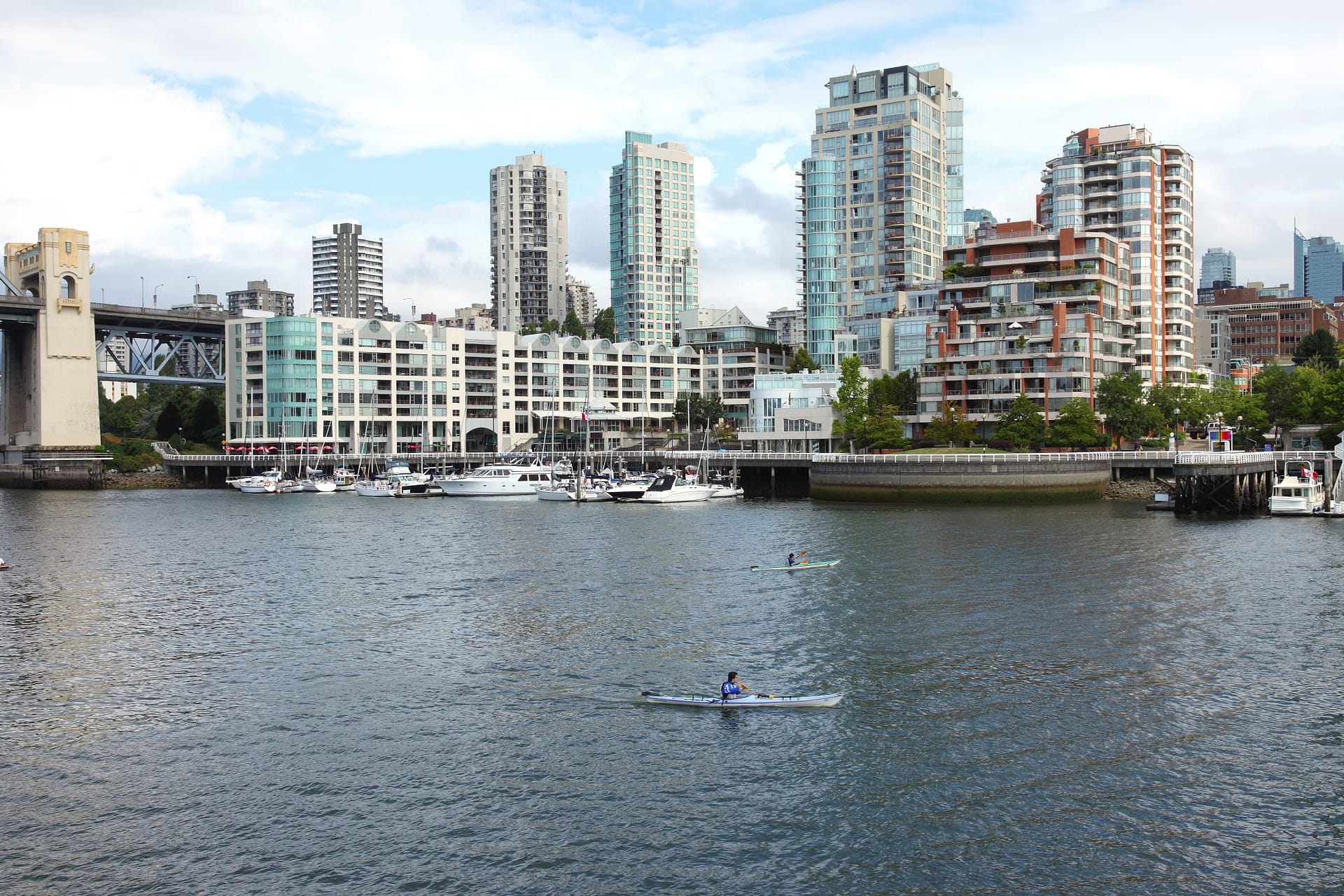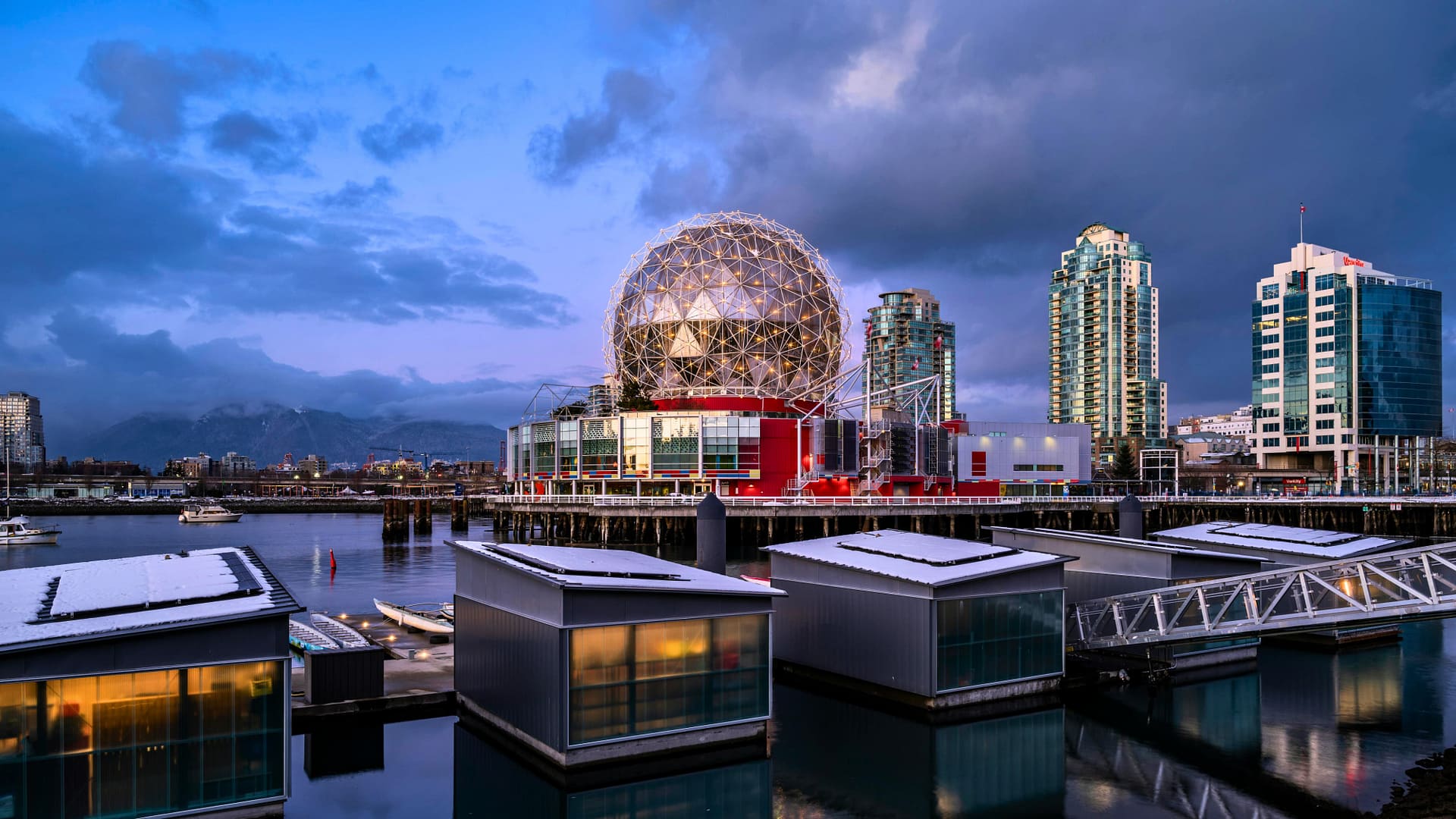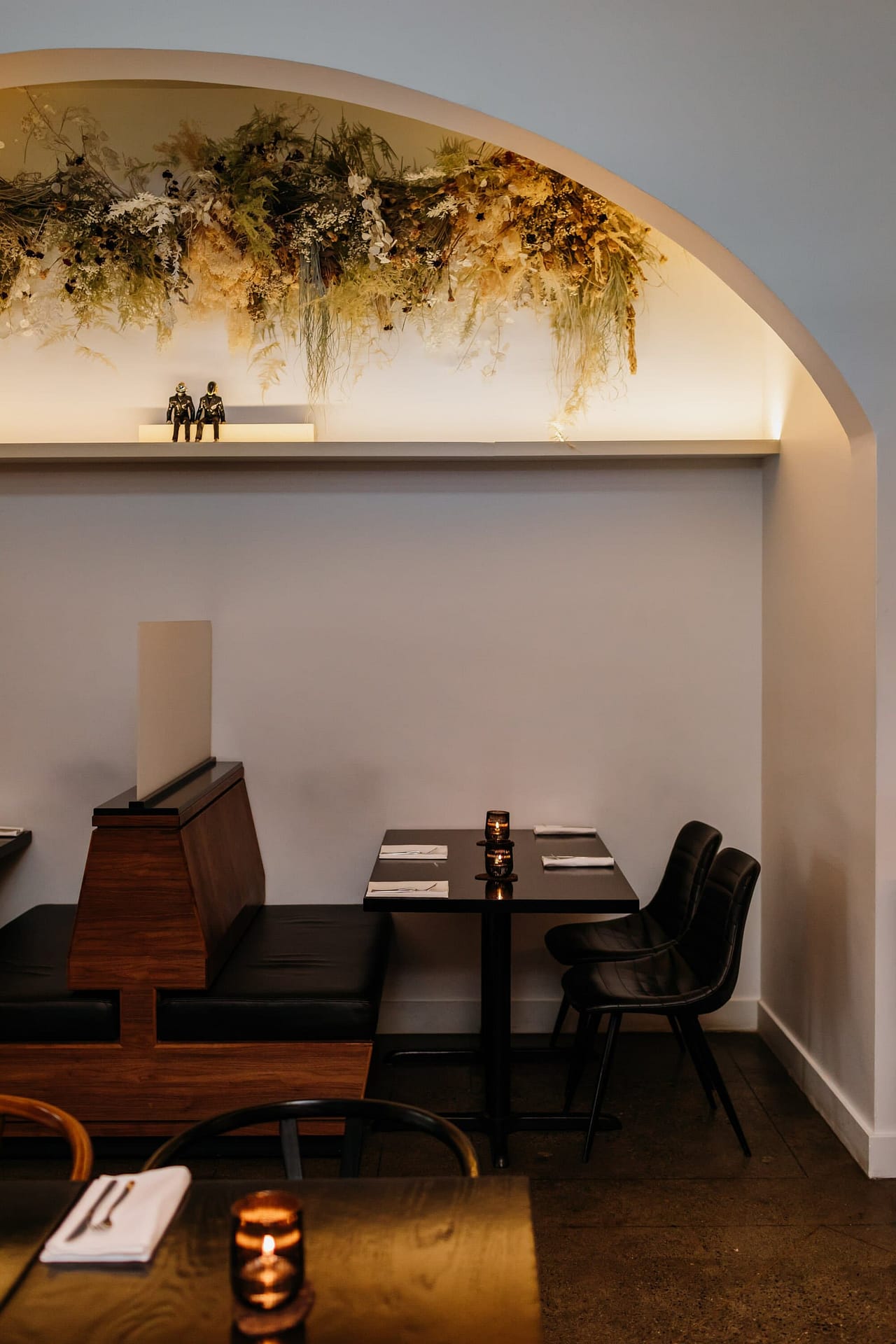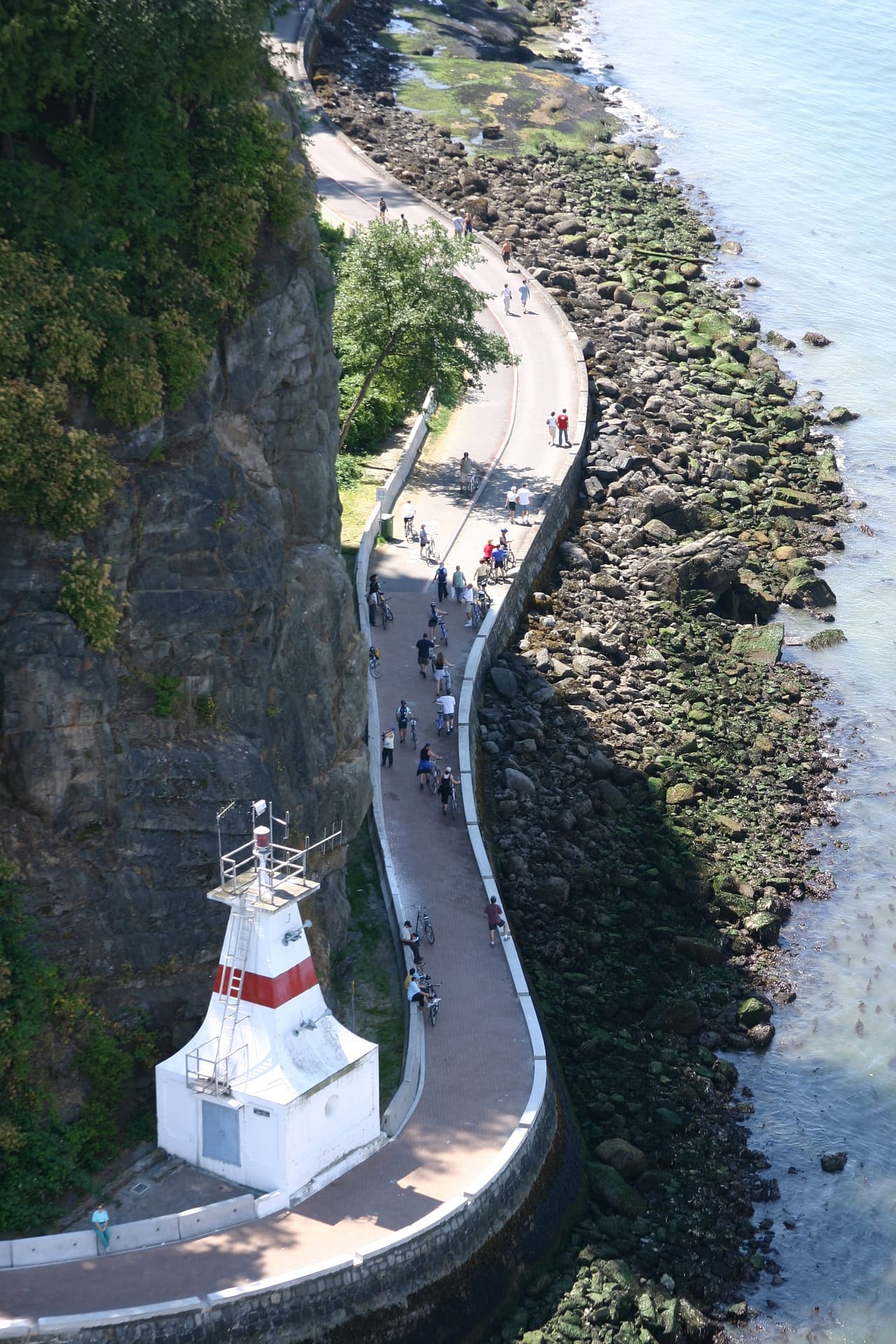


Vancouver is one of those rare cities where glassy skyscrapers meet snow‑capped mountains and the Pacific Ocean in a single frame. This West Coast metropolis in British Columbia delivers a mix of cosmopolitan buzz and wild, accessible nature that is hard to beat. Visitors can spend the morning cycling seawalls and forest trails, then dress up for world‑class dining and cocktail bars by night.
The city’s cultural fabric is rich, with strong Indigenous roots, a vibrant Asian influence, and a thriving creative scene that shows up in neighborhoods, festivals, and food. Add a famously laid‑back lifestyle, an efficient transit system, and a strong safety record, and Vancouver becomes a compelling choice for both first‑time visitors to Canada and seasoned travelers planning a refined, outdoorsy escape.
About Vancouver, Canada
Vancouver is British Columbia's largest city and Canada's third-largest metropolitan area by population, boasting a dynamic cosmopolitan character shaped by its multicultural communities, indigenous heritage, and Pacific Gateway location. Located on the traditional, unceded territories of the Musqueam, Squamish, and Tsleil-Waututh Nations—three Coast Salish First Nations peoples—Vancouver carries deep indigenous cultural roots spanning thousands of years. The city was founded as a fortified trading post in 1867 and transformed into a major international hub through its port, which remains one of North America's busiest. Today, Vancouver represents a convergence of cultures, with significant Asian, European, and Latin American communities creating a rich mosaic reflected in its neighborhoods, restaurants, and cultural institutions.
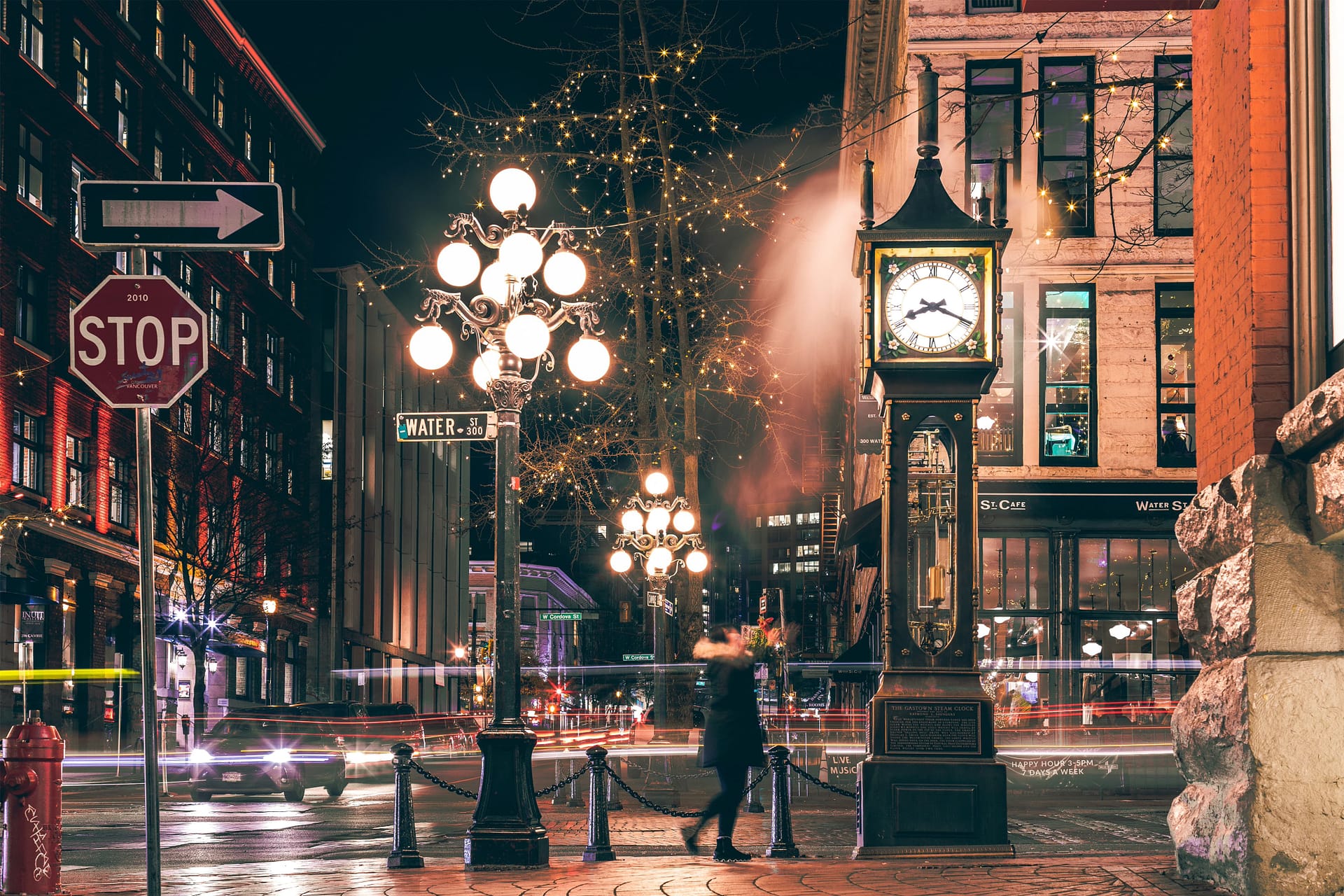
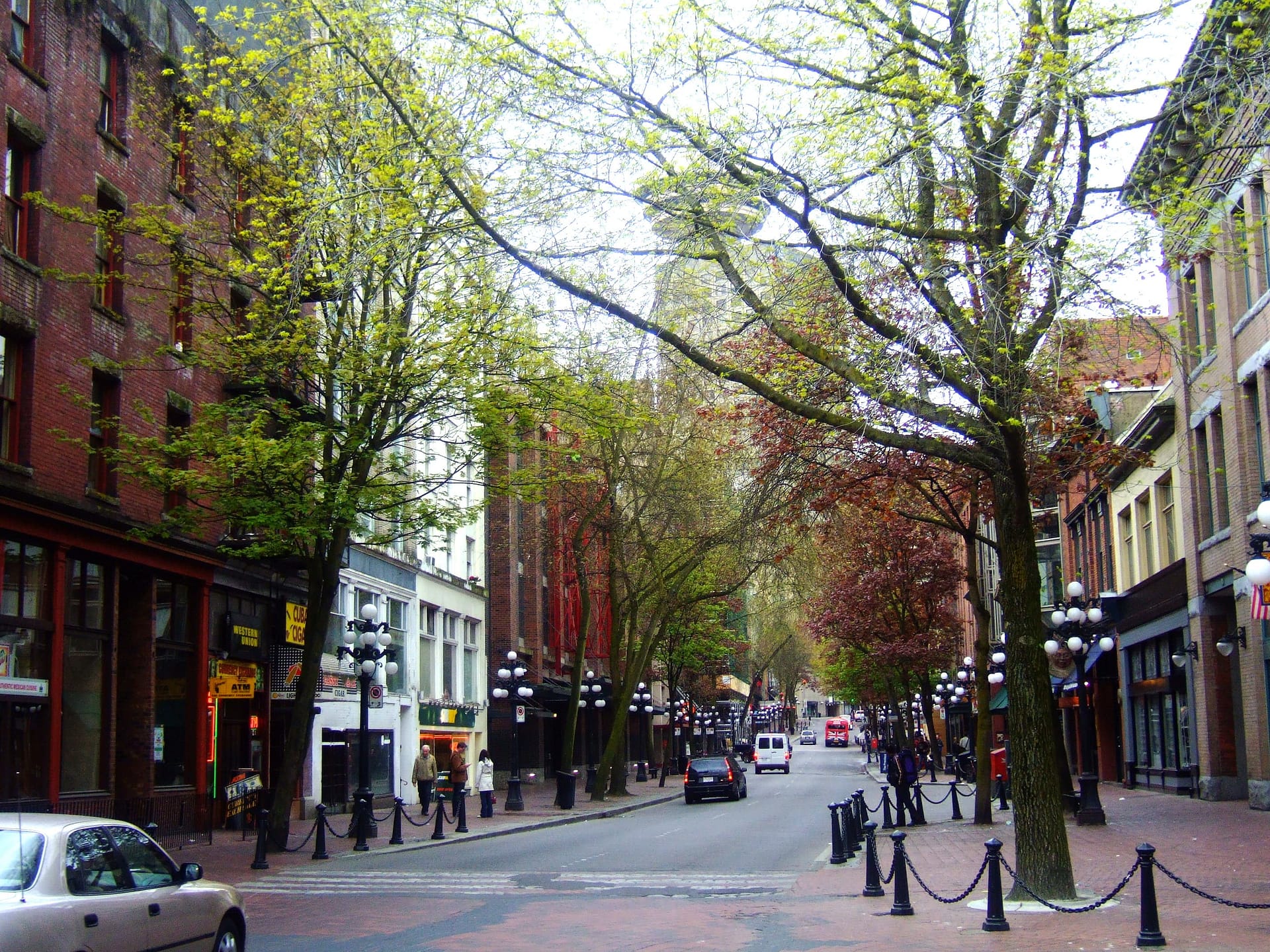
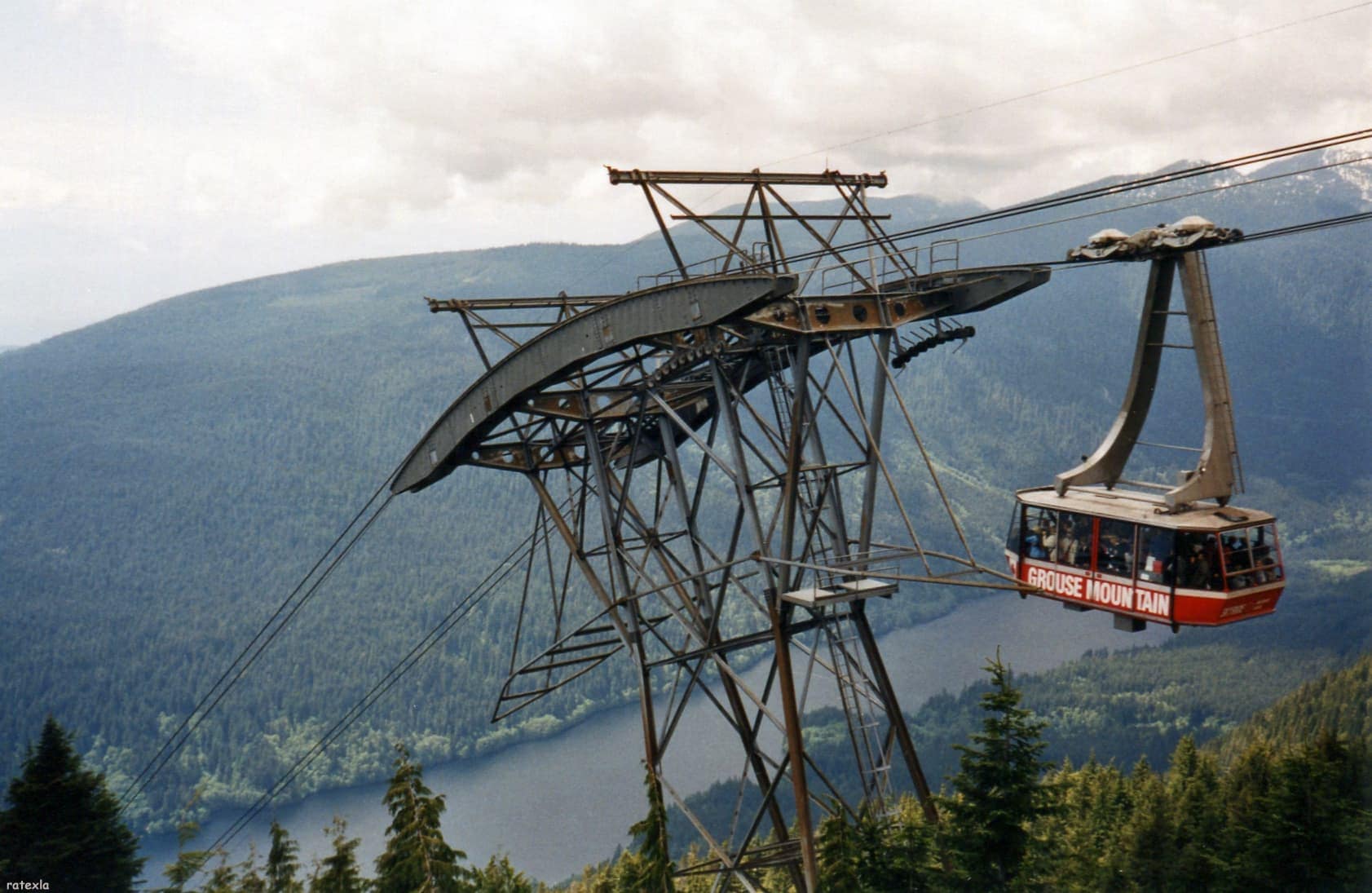
The city's geography defines much of its character: a peninsula surrounded by water on three sides, with easy access to skiing in the North Shore mountains (Grouse Mountain and Cypress Mountain lying just 15 minutes away) and the lush temperate rainforest of the Pacific Northwest. Downtown Vancouver features iconic architecture, world-class museums, and vibrant neighborhoods like Gastown, Chinatown, and Yaletown, while the city limits encompass some of North America's largest urban parks. The year-round mild climate—unusual for Canada—makes Vancouver accessible regardless of season, though winter brings frequent rain rather than snow at sea level.
Why Go to Vancouver
Vancouver represents a rare convergence of world-class urban amenities and unspoiled natural beauty, making it an ideal destination for diverse travel styles and interests. The city's exceptional culinary scene ranks among the finest in North America, with acclaimed Michelin-starred restaurants sitting alongside authentic dim sum parlours and innovative farm-to-table establishments that showcase Pacific Northwest ingredients and global influences. Beyond food, Vancouver offers unparalleled outdoor experiences—from the iconic Seawall's scenic waterfront path to the old-growth rainforests of nearby provincial parks, offering kayaking, hiking, and wildlife encounters.
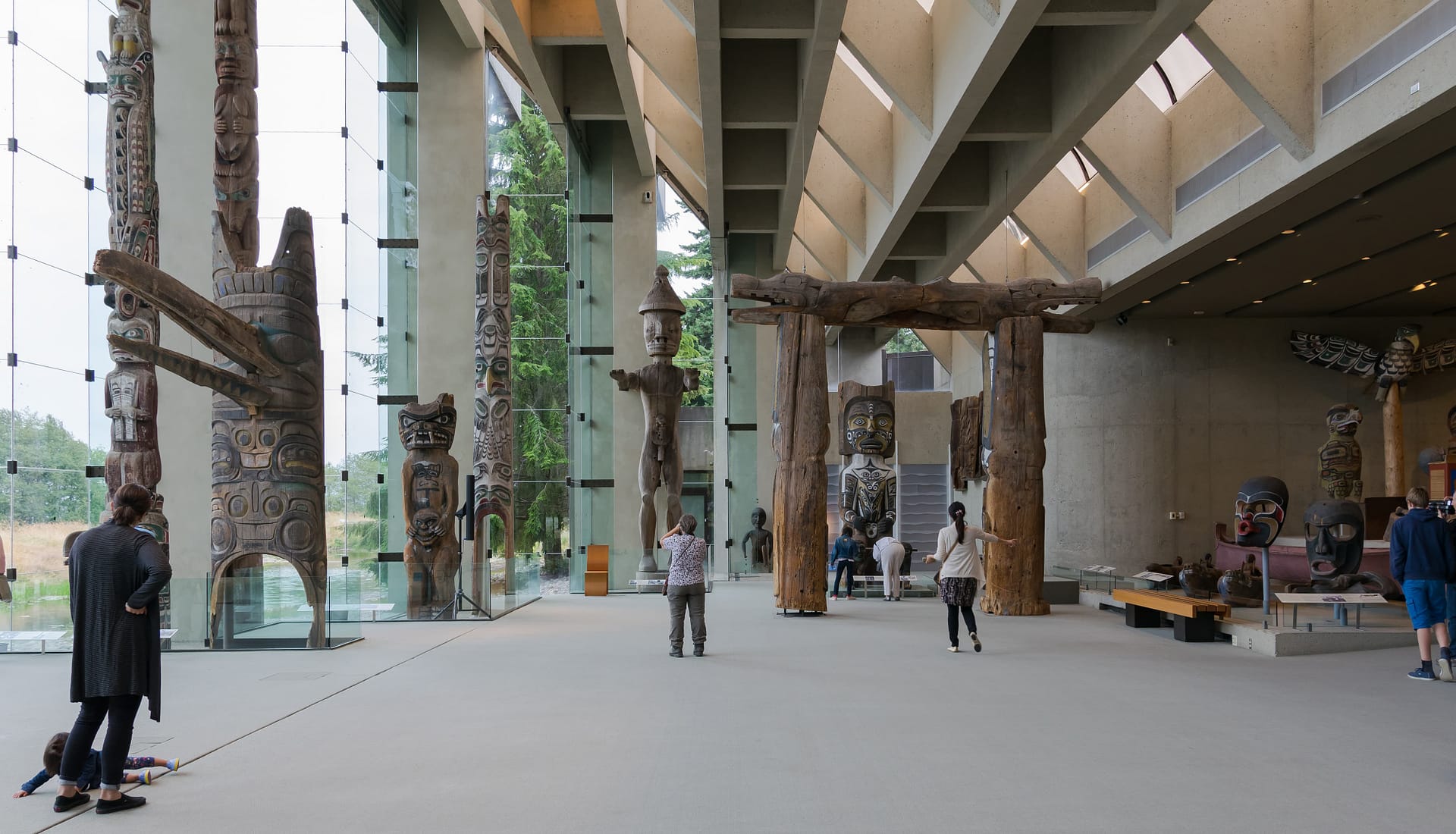
The city's rich Indigenous heritage permeates its cultural landscape through totem poles, contemporary Indigenous art galleries, and authentic First Nations dining experiences that provide meaningful connection to the region's original inhabitants. For art and culture enthusiasts, Vancouver's 350+ public artworks, world-renowned museums, theatres, and festivals create a vibrant creative energy year-round. The city's accessibility is another major draw—efficient public transit via the SkyTrain and SeaBus, walkable neighbourhoods, and easy access to natural attractions mean you can experience Vancouver's diversity without a car. Whether you're seeking adventure, culinary exploration, cultural immersion, or simply a respite in one of the world's most beautiful urban settings, Vancouver delivers on all fronts.
Best of Vancouver
Best Hotels in Vancouver

Best Things to Do in Vancouver

Vancouver Travel Tips
Best Time to Go
Vancouver's mild Pacific climate means the city is genuinely worth visiting year-round, though the experience differs dramatically by season.
Summer (June–August) is Vancouver's peak season, and for good reason. Temperatures range from the low to mid-20s°C (mid-60s to low-70s°F), with July being the sunniest month. Rainfall is minimal during these months, and the long daylight hours—with the sun remaining visible until late evening—provide ample time for exploring both the city and surrounding natural attractions. Beaches like English Bay and Kitsilano come alive with swimmers and sun-seekers, outdoor events proliferate, and the Seawall becomes a hub of activity. However, this popularity comes with trade-offs: hotels command premium prices, attractions are crowded, and the city can feel slightly overwhelming during peak July and August weekends.
Shoulder Seasons (March–May and September–November) emerge as the most underrated periods to visit Vancouver. Spring brings the stunning Cherry Blossom Festival, with flowering trees adorning the city in ethereal pinks and whites from late March through April. Temperatures hover around 10-15°C (50-59°F), mild enough for comfortable exploration without the summer crowds. Early autumn—September through October—maintains pleasant weather with lingering warm days, transforming the landscape into brilliant reds, oranges, and golds as deciduous trees enter their fall glory. Crowds diminish substantially during shoulder seasons, hotel rates drop by 20-40%, and the mild climate is perfect for outdoor activities without the intensity of summer heat. September is particularly excellent, combining summer-like conditions with the beginning of fall colours and fewer tourists.
Winter (December–March) brings average temperatures around 0-5°C (32-41°F), with occasional snow that typically melts within days due to Vancouver's temperate Pacific climate. While rainfall increases—November is the wettest month—the city rarely experiences the harsh winters of other Canadian destinations. Winter is ideal for those seeking fewer crowds, gourmet dining experiences, and outdoor adventures at nearby ski resorts like Grouse Mountain, which lies just 20 minutes from downtown. The city takes on a quiet, intimate charm, and budget-conscious travellers can secure excellent accommodation deals. For those who love winter sports and don't mind occasional rain, Vancouver in winter offers unique appeal.
The best months to visit Vancouver are September and October (early fall) for the ideal combination of pleasant weather, lower prices, manageable crowds, and spectacular natural scenery. May and June (late spring) are excellent alternatives, offering warm weather, blooming gardens, and the tail end of spring festivals. For pure weather and outdoor activity potential, July and August excel, though expect crowds and higher costs.
Weather in Vancouver
How to Save Money in Vancouver
Choose shoulder season travel and alternative accommodation Visiting during March to May or September to November can reduce accommodation costs by 20-40% compared to summer rates. Budget hotels and hostels range from $80-120 CAD per night during low season compared to $150-220 in high season. Consider Airbnb private rooms or shared apartments ($120-200) rather than hotels, and explore neighbourhoods like Kitsilano or Mount Pleasant, which offer lower rates than downtown or Coal Harbour while maintaining excellent transit access.
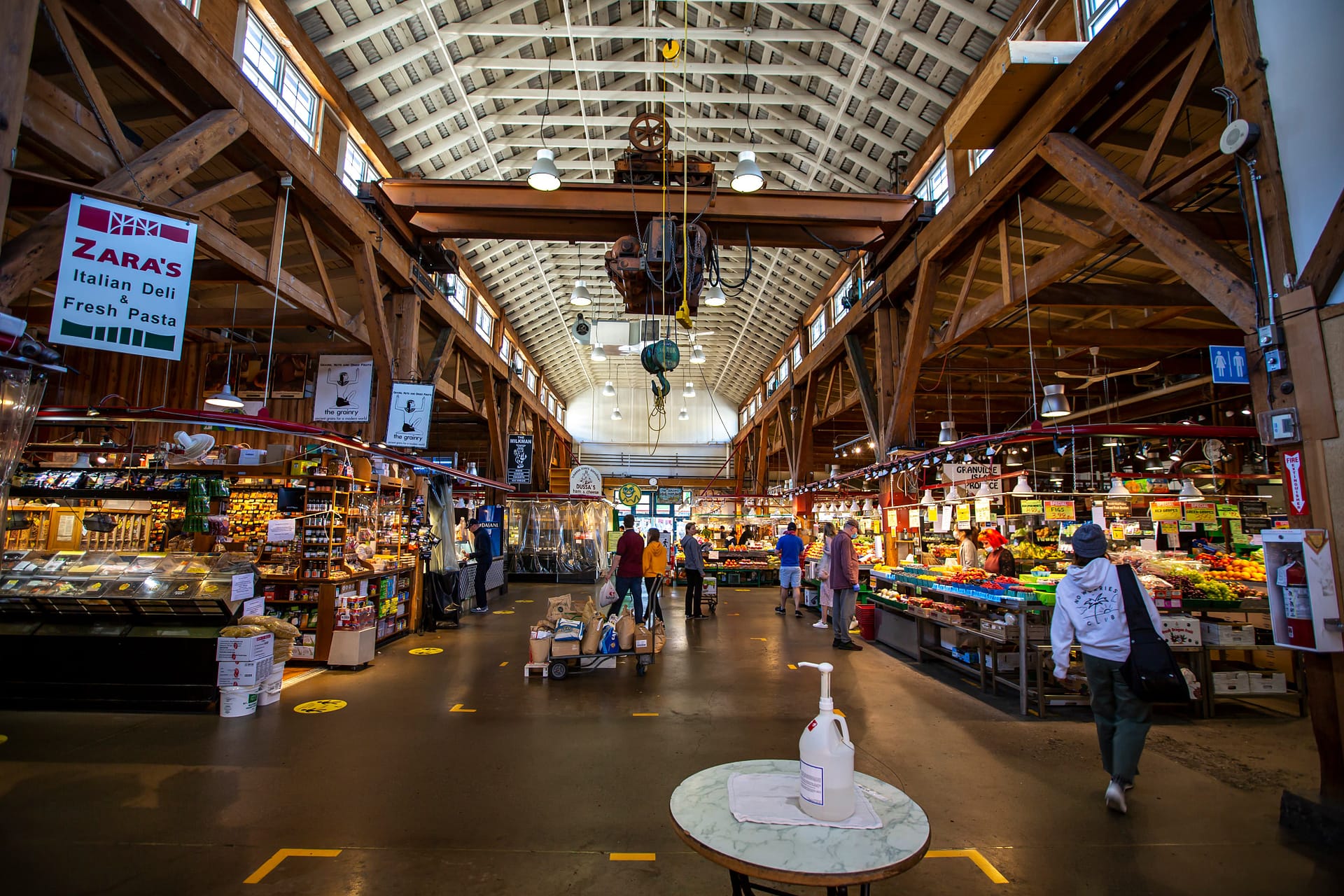
Embrace public markets and local grocery stores Skip expensive tourist restaurants and explore Vancouver's diverse food culture through public markets and affordable dining options. Shop at discount grocery chains like No Frills or FreshCo to save 15-20% on groceries compared to upscale supermarkets. Granville Island Public Market offers prepared foods and ingredients at reasonable prices, and food courts in downtown shopping centres provide quality meals for $10-15 CAD. Budget meals from fast food and casual restaurants range from $10-18 per person, compared to $20-35 for moderate dining.
Leverage free and low-cost attractions Vancouver offers abundant free experiences that rival paid attractions. Stanley Park's Seawall is free to walk or cycle, and public beaches cost nothing to access. Many museums and galleries offer pay-what-you-wish hours, and Vancouver Public Library provides free access to books, films, and cultural events. Hike the scenic Grouse Grind trail free of charge, explore neighbourhood street art and murals throughout the city, and attend numerous free festivals throughout the year, particularly summer community events.
Purchase a Compass Card for transit
Vancouver's TransLink public transit system (SkyTrain, buses, SeaBus) operates on a zone-based fare system for rail and ferry but uses flat rates for buses. A Compass Card (reloadable transit card) provides the best value, with monthly passes around 107 CAD covering unlimited travel. Single fares cost $2.50-3.85 CAD depending on zones, but the 90-minute transfer window makes one fare valid for multiple mode changes, significantly reducing costs for tourists making several trips daily.
Embrace the rain and pack accordingly
Vancouver is Canada's third-rainiest city, yet locals famously don't let drizzle deter their plans. Rain often means moderate drizzle rather than heavy downpours, and many outdoor attractions remain enjoyable with proper gear. Pack a lightweight, packable rain jacket—Vancouver locals prefer function over fashion. Waterproof shoes and a compact umbrella are essential, but remember that many indoor attractions (museums, galleries, shopping) provide excellent rainy-day options. The rain contributes to Vancouver's lush greenery and mild climate, so view it as part of the authentic experience.
Respect indigenous culture and protocols
Vancouver sits on unceded First Nations territory (Squamish, Tsleil-Waututh, Musqueam), and acknowledging this reality enhances your visit. Many attractions now include territorial acknowledgments. When visiting Indigenous sites like Stanley Park's totem poles or the Bill Reid Gallery, approach with respect and read interpretive materials carefully. Support Indigenous-owned businesses like Salmon n' Bannock restaurant, stay at Indigenous-run accommodations like Skwachays Lodge, and consider Indigenous-led tours that provide authentic cultural context. Photography at sacred sites requires explicit permission—never assume.
Culture & Customs
Vancouver's cultural identity is fundamentally shaped by its multicultural composition and deep Indigenous heritage, creating a uniquely progressive and inclusive urban environment. The city stands on unceded territory of the Squamish, Tsleil-Waututh, and Musqueam Nations, whose presence permeates contemporary Vancouver through totem poles at Stanley Park, contemporary Indigenous art installations, and an increasingly prominent Indigenous tourism sector comprising over 170 Indigenous-owned businesses throughout the province. The city's other dominant cultural communities—Chinese, South Asian, European, and Japanese—have established vibrant neighbourhoods that remain authentic cultural hubs rather than tourist attractions. Chinatown, once the heart of Chinese immigration and society, continues to pulse with traditional apothecaries, specialty markets, and restaurants serving authentic Cantonese cuisine. The Punjabi Market neighbourhood (Little India) on Main Street blazes with colour, aromatic spices, and the energy of South Asian community life. These areas aren't museum pieces; they're living, breathing communities where locals conduct daily life, making visitors feel genuinely immersed rather than observing from outside.
Vancouver's cultural calendar brims with celebrations reflecting its diverse population. Chinese New Year in January and February draws thousands to Chinatown's festive parade and community events. The Coastal Dance Festival (February-March) showcases Indigenous storytelling, songs, and dances from Northwest Coast First Nations. Italian Day transforms Kingsway into a 14-block celebration with over 300,000 attendees celebrating Italian heritage, while Diwali in October brings spectacular fireworks and celebrations across the Lower Mainland as the city's East Indian community honours the Festival of Lights. Vancouver Pride in August commands international attention, transforming the city into a rainbow celebration of LGBTQ+ culture. The city's artistic institutions—from the Museum of Anthropology to contemporary galleries in neighbourhoods like Mount Pleasant and Gastown—continuously feature both established and emerging artists reflecting global perspectives. Local customs emphasize environmental consciousness, social progressivism, and outdoor recreation; you'll notice locals carrying reusable water bottles, cycling enthusiastically through rain, and conversing easily across cultural boundaries. Tipping conventions align with North American standards (15-20% at restaurants), though it's always appreciated rather than obligatory. Canadians are famously polite—saying "please" and "thank you" are considered essential courtesies—and Vancouver extends this warmth while maintaining a certain reserved friendliness characteristic of the Pacific Northwest.
What to Eat
Vancouver's culinary landscape ranks among the finest in North America, celebrated for its access to pristine Pacific seafood, farm-fresh local produce, and the innovative fusion of global influences that reflects the city's multicultural character. The city has emerged as a destination for serious food lovers, offering everything from Michelin-starred fine dining to authentic ethnic cuisine prepared by chefs deeply rooted in their culinary traditions.
The city's Chinese dining scene is arguably its most extraordinary culinary asset. Dim sum represents the quintessential Vancouver eating experience, with restaurants serving traditional Cantonese small plates from rolling carts or ordered à la carte. Bao Bei Chinese Brasserie and Dinesty rank among the city's most acclaimed dim sum destinations, while Western Lake Chinese Seafood Restaurant on Victoria Drive is revered locally for its enormous portions and exceptional value—portions here are noticeably larger than at most other restaurants. For high-end dim sum in a refined setting with white tablecloths and seafood tanks, Sea Harbour attracts serious devotees willing to queue at 10 a.m. for opening. Kam Wai Dim Sum offers economical options with siu mai dumplings at approximately 1.60 CAD. Beyond dim sum, Vancouver's Chinatown and Richmond (home to some of the world's best Cantonese, Sichuan, and Shanghai cuisine outside of China) offer everything from BBQ roasted meats at casual spots like Chinatown BBQ and HK BBQ Master (tucked under a Real Canadian Superstore in Richmond) to adventurous noodle houses serving hand-pulled varieties and slow-cooked broths.
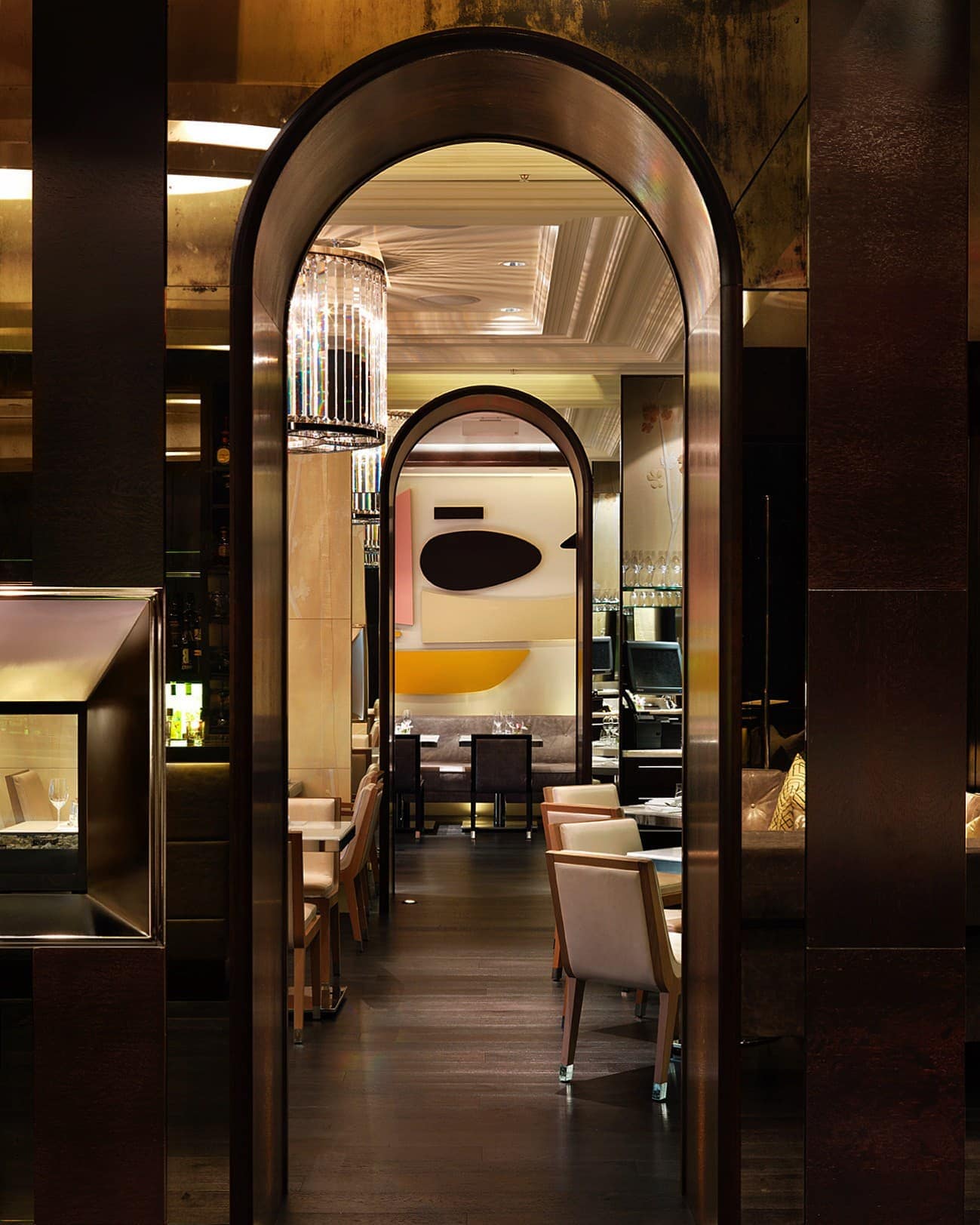
For fine dining, Vancouver punches well above its weight. Hawksworth Restaurant inside the Rosewood Hotel Georgia is led by Canadian chef David Hawksworth, trained in Michelin-starred kitchens, and serves elegant West Coast cuisine featuring seasonal local ingredients. Standout dishes include wagyu beef carpaccio and caramelised gnocchi crafted with precision and finesse. Kissa Tanto, a Michelin-starred Japanese-Italian fusion restaurant, represents the pinnacle of Vancouver fine dining with inventive small plates that blur culinary boundaries. Published on Main ranks among Canada's top restaurants, showcasing chef Gus Stieffenhofer-Brandson's modern West Coast approach. Nightingale in Coal Harbour offers seasonal, locally sourced menus including its signature Buttermilk Fried Chicken drizzled with spiced maple syrup, sumac, and pickles.
Beyond formal fine dining, Vancouver's casual dining scene reflects its multicultural richness. Salmon n' Bannock, Vancouver's only Indigenous-owned restaurant, serves authentic Pacific Northwest cuisine including spring elk, wild boar salamis, bannock bread with bison gravy, sablefish, and elk steak. The restaurant supports Indigenous businesses, sourcing wine and beer from Indigenous-owned vineyards and breweries. For Southeast Asian cuisine, Phnom Penh brings Vietnamese and Cambodian traditions together joyfully, while Pidgin pairs pan-Asian flavours with French techniques. Tamam offers exceptional Palestinian fine cuisine with dippable dishes including falafal, hummus, and succulent chicken kebab paired with mujaddarah. Fat Mao delivers Thai-style noodles with Chinese influence featuring rich broths and slow-cooked beef shin.
Casual street food and market dining offer accessible, delicious alternatives for budget-conscious travellers. Granville Island Public Market features prepared foods, artisanal products, and numerous stall options. Downtown shopping centres house food courts serving everything from Vietnamese pho to Japanese ramen at prices under $15 CAD. The Punjabi Market offers authentic South Asian cuisine with aromatic curries and fresh naan, while Japanese ramen shops throughout the city deliver authentic bowls for $12-18. For breakfast, Vancouver's café culture thrives, with countless independent coffee shops serving excellent espresso (approximately 5.69 CAD for a latte) and brunch classics. Fable Diner gained fame through media features for its Kimchi Pancakes, while countless family-run establishments offer authentic comfort food.
Safety
Vancouver is generally a safe destination for tourists, with crime rates lower than national Canadian averages and most major violent crimes remaining rare in visited areas. The vast majority of Vancouver's neighbourhoods are pleasant, well-lit, and welcoming, with visible police presence in high-traffic areas. However, like any major city, Vancouver has pockets of higher crime that warrant awareness, not fear.
The primary area to exercise heightened caution is Downtown Eastside (the corridor near Hastings and Main Street), which has experienced a documented homelessness crisis with associated drug-related offences, theft, and petty crime rates significantly above city averages. While the area contains cultural and historical significance, visitors should avoid this neighbourhood, particularly after dark. Mount Pleasant has experienced recent spikes in crime due to its proximity to the downtown core and issues related to homelessness and gang activity; while still largely safe, visitors should exercise standard urban caution here. Chinatown, though historically a cultural jewel, has faced some decline and increased petty crime in recent years and warrants similar awareness.
Conversely, numerous neighbourhoods offer exceptional safety with crime rates 32-50% below national averages. Shaughnessy, Kerrisdale, and South Cambie are among Vancouver's safest areas with well-lit streets, strong community policing, and low crime statistics. Stanley Park, West Point Grey, and the West End are popular, well-patrolled, and considered very safe, particularly during daylight hours. North Vancouver across the Seabus maintains some of the lowest crime rates in the region.
General safety best practices apply: avoid displaying expensive items, stay aware of surroundings particularly in crowded areas or late at night, travel in groups when possible after dark, and use well-lit main streets rather than dimly lit side streets. Personal safety devices like pepper spray or self-defense keychains provide peace of mind, though Vancouver's generally low violent crime rates mean such measures are precautionary rather than essential. Vancouver's public transit system is well-monitored and generally considered safe at any hour, with security personnel visible during evening hours.
How to Get Around Vancouver
Vancouver offers a well-integrated public transportation system that makes navigating the city efficient and accessible without a car. TransLink operates three integrated modes: the SkyTrain (rapid light rail transit), buses, and the SeaBus (passenger ferry).
The SkyTrain consists of three colour-coded lines serving as the backbone of Vancouver's transit. The Expo Line (blue) connects downtown Vancouver to Burnaby, New Westminster, and Surrey. The Millennium Line (red) connects Vancouver with Burnaby, Port Moody, and Coquitlam. The Canada Line (green) runs between downtown, Richmond, and Vancouver International Airport, making it essential for arriving and departing travellers. SkyTrain operates from approximately 5 a.m. until 1 a.m. daily, with trains arriving every few minutes during peak hours. The system is highly accessible with elevators and ramps at most stations, and navigation is straightforward with clear signage and colour-coding.
Buses provide extensive coverage throughout Vancouver and surrounding areas, with nearly every neighbourhood accessible via the comprehensive network. Key rapid bus routes like the #99 B-Line operate on busy corridors with frequent service. NightBus services operate in early morning hours after SkyTrain stops, providing convenient late-night travel options. A single bus fare costs the same regardless of distance ($2.50 CAD), making it excellent value compared to other cities.
The SeaBus is a scenic passenger ferry connecting downtown Vancouver's Waterfront Station to North Vancouver across Burrard Inlet. The 15-minute crossing provides stunning views and operates frequently throughout the day and evening, serving commuters and tourists alike.
All three transit modes accept a Compass Card (reloadable contactless transit card), though standard credit and debit cards with contactless capability are increasingly accepted. Fares operate on a zone system for SkyTrain and SeaBus, with 1, 2, or 3-zone fares depending on distance and time of day, while buses charge a flat 1-zone rate regardless of distance. The 90-minute transfer window allows unlimited transfers across all three transit modes within your paid zone(s), making a single fare incredibly efficient for tourists making multiple trips throughout the day. Monthly passes cost approximately 107 CAD and provide unlimited travel, representing the best value for visitors staying longer than a few days.
Vancouver is also exceptionally bike-friendly, with most buses featuring bike racks and the SkyTrain allowing bikes during off-peak hours and anytime on the SeaBus. Bike-sharing systems and rental shops throughout the city provide affordable cycling options for exploring neighbourhoods. The famous Seawall offers a dedicated multi-use path perfect for walking or cycling with minimal car interference.
Entry & Exit Requirements
American citizens entering Canada require valid proof of citizenship and identity. A valid US passport is the simplest and most universally accepted document and is recommended by the Canada Border Services Agency (CBSA). However, alternative documents are accepted if they collectively establish full name, date of birth, and citizenship—these include a birth certificate, certificate of citizenship or naturalization, certificate of Indian status with photo identification, or a US Enhanced Driver's License. If a single document doesn't include all required information, you may use a combination of documents, and if proof of citizenship lacks a photo, you must provide separate photo identification.
Important note: You do not require a Canadian passport, Canadian visa, or Electronic Travel Authorization (eTA) to enter Canada if you're travelling with a valid US passport. This significantly simplifies the process compared to many other nationalities.
When entering Canada by air, your valid US passport is essential. When entering by land or water directly from the US, you may use alternative documents as detailed above. The Western Hemisphere Travel Initiative (WHTI) governs land and sea crossings between the US and Canada.
Upon arrival at Vancouver International Airport or at land border crossings (such as those at Blaine, Washington, or Peace Arch), a border services officer will review your documents and may ask standard questions about the purpose of your visit, length of stay, and accommodation plans. Processing is typically straightforward for tourists with clear documentation and legitimate travel purposes. Ensure your passport or alternative citizenship document is valid and hasn't expired, as expired documents will be rejected. The process is generally smooth for American citizens visiting Canada as tourists. For more information, visit the U.S. State Department website.