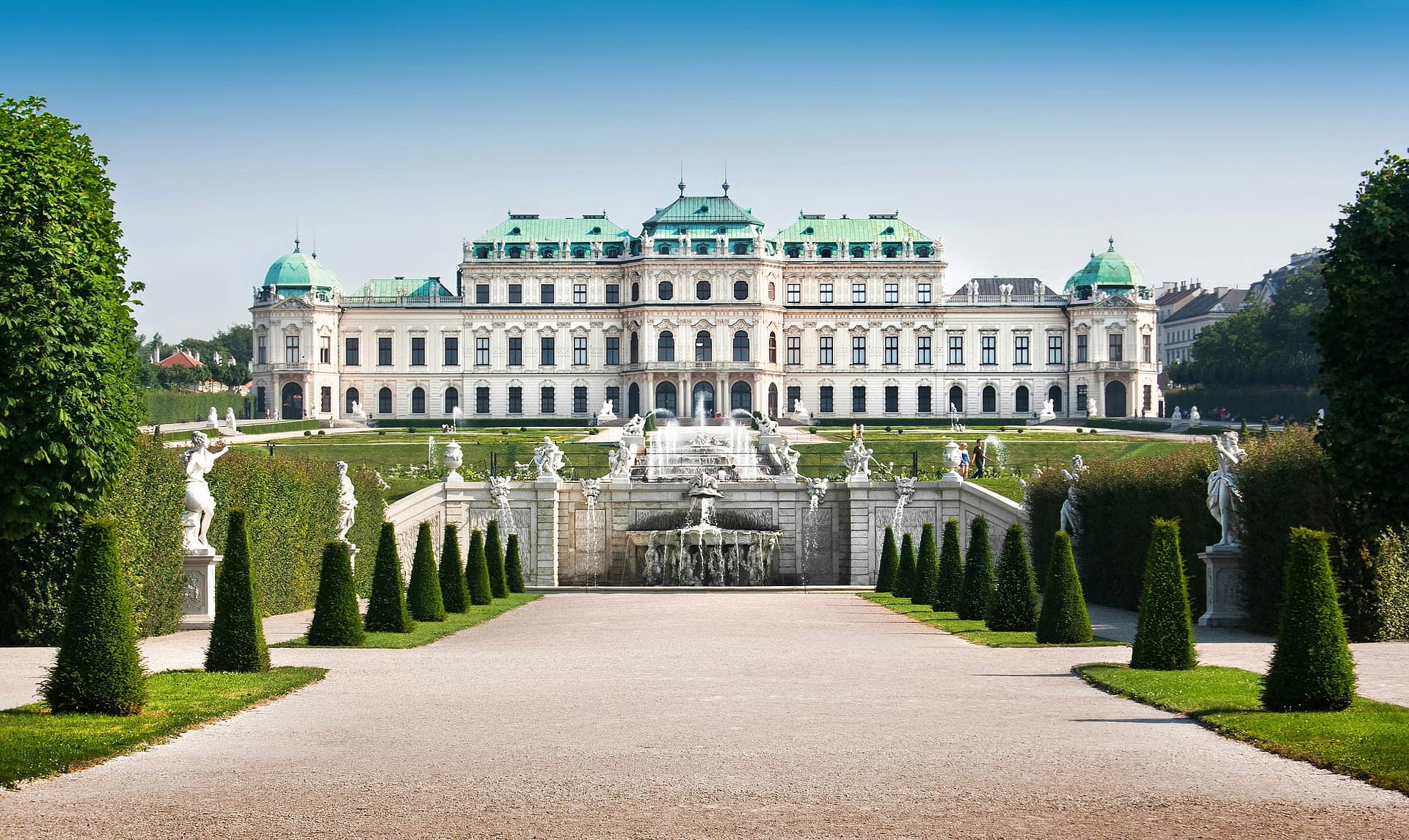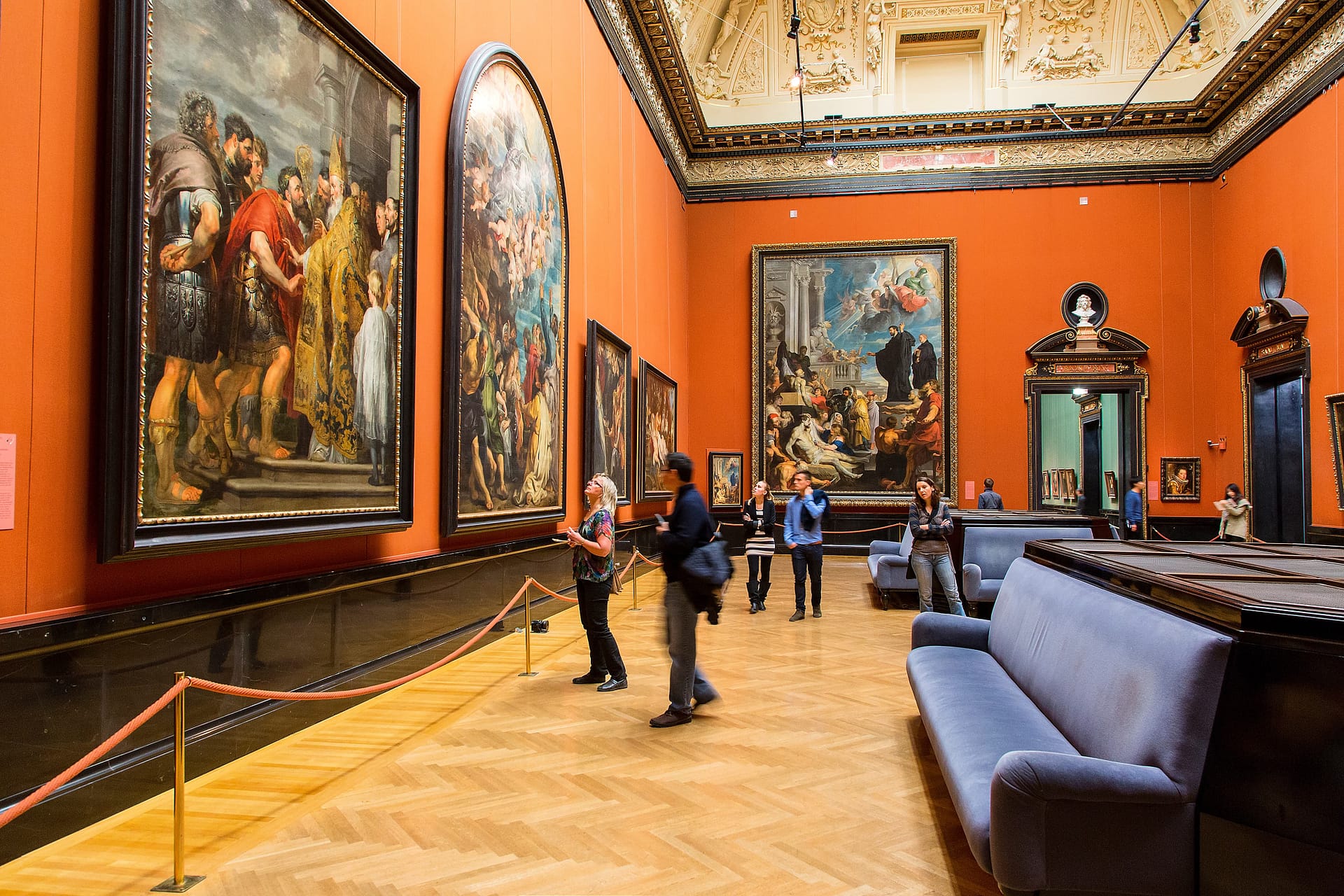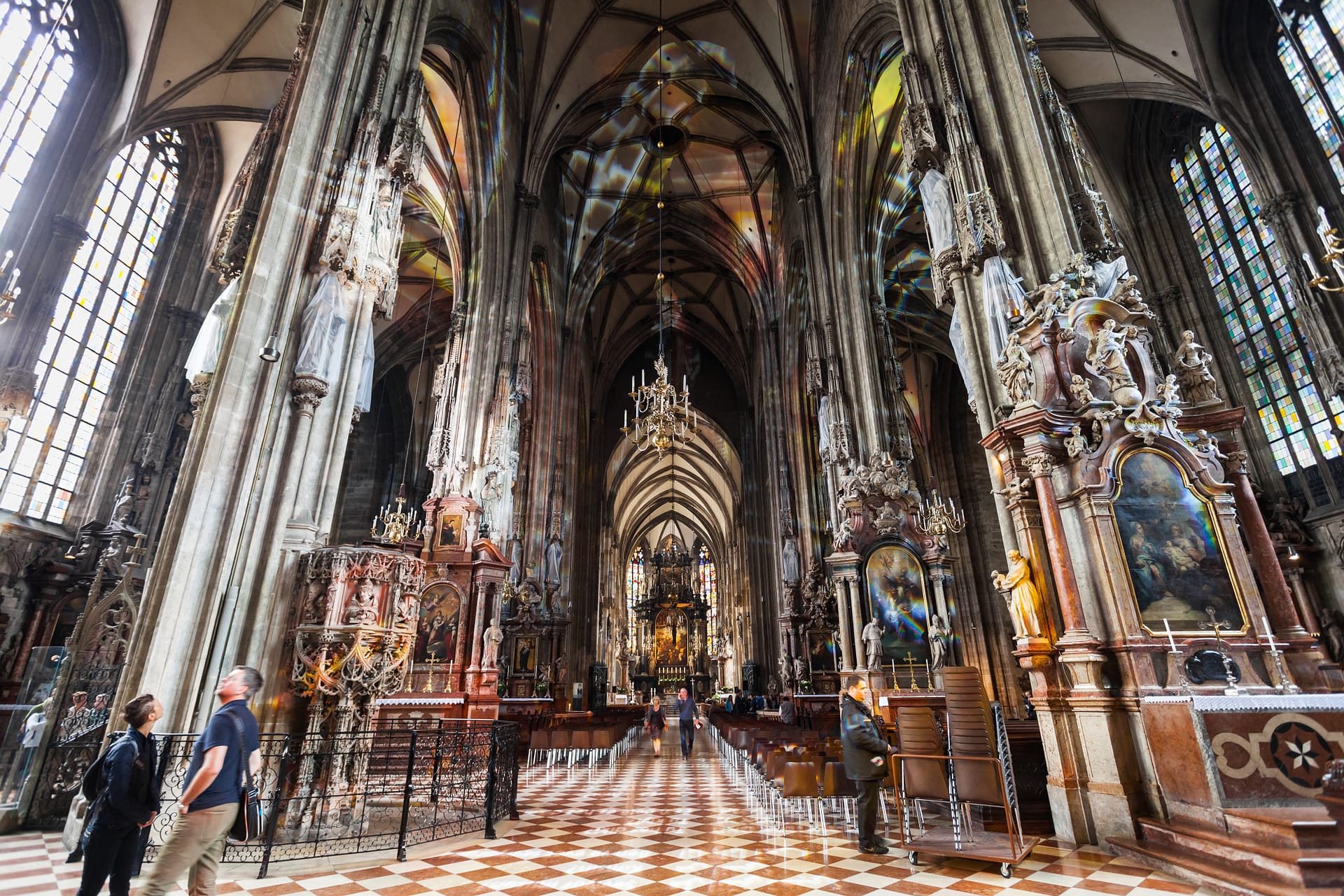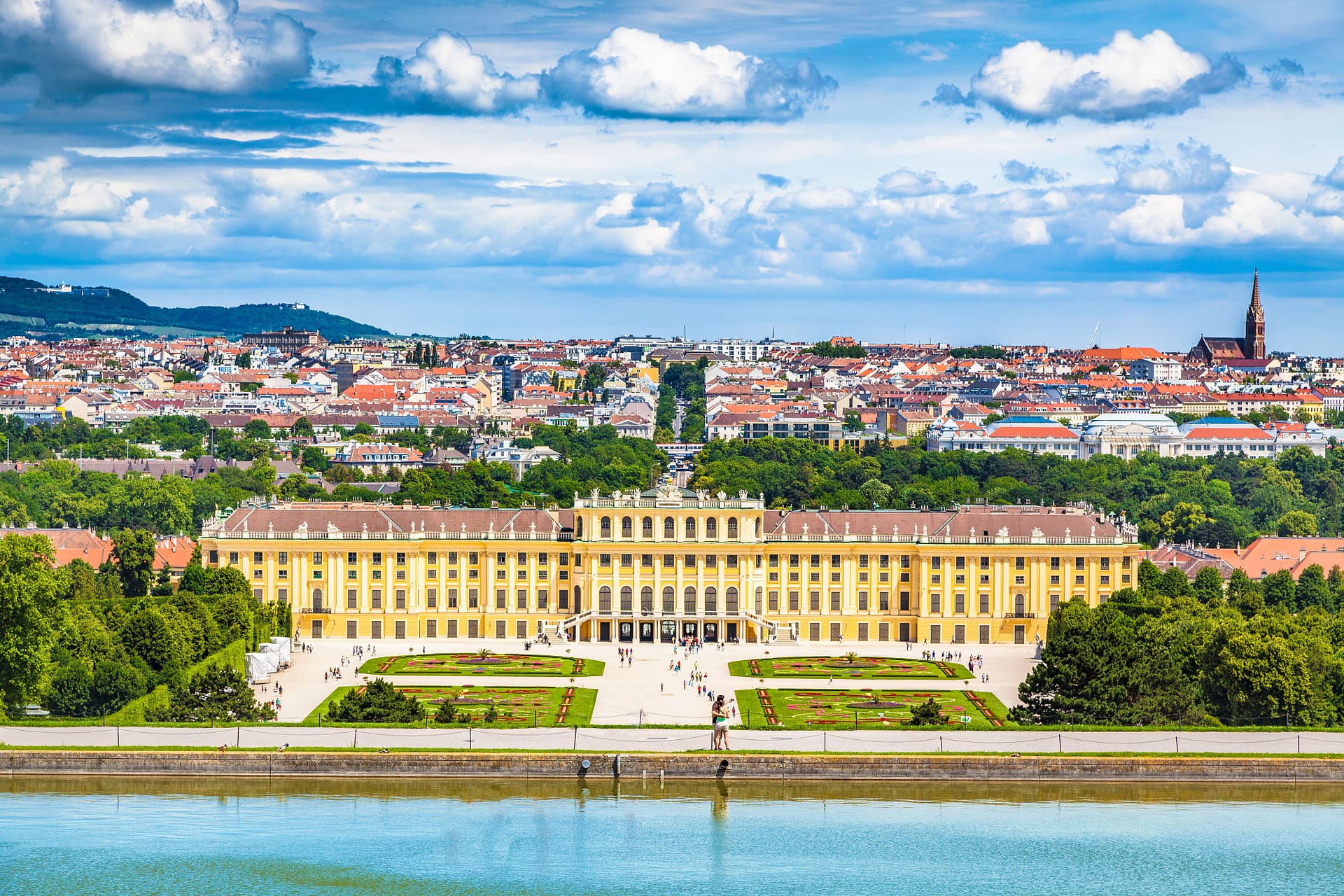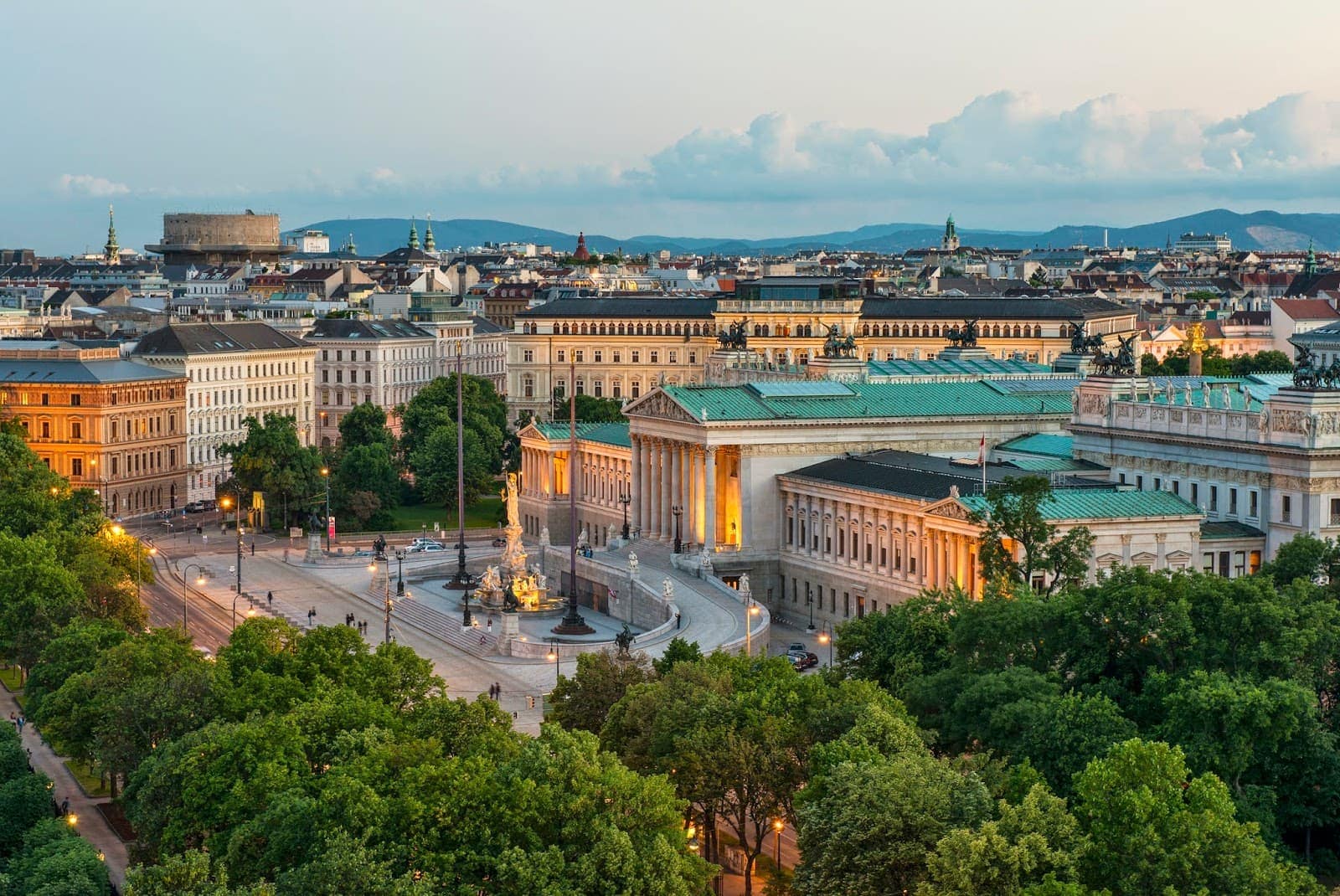


Vienna, Austria's elegant capital, is one of Europe's most captivating destinations, where imperial grandeur meets contemporary culture. Nestled along the Danube River, this historic city has been the seat of the mighty Habsburg Empire and continues to exude sophistication through its stunning architecture, world-class museums, and vibrant coffeehouse culture. Whether you're drawn by the opulent Schönbrunn Palace, the haunting beauty of St. Stephen's Cathedral, or the promise of authentic Wiener Schnitzel, Vienna offers an intoxicating blend of old-world charm and modern energy.
This comprehensive travel guide will equip you with everything you need to navigate Vienna like a seasoned traveler, from the best neighborhoods to explore and where to find authentic cuisine, to practical tips on saving money and understanding local customs. Whether you're visiting for a romantic weekend or an extended cultural immersion, Vienna awaits with endless possibilities for unforgettable stays and memories.
About Vienna
Vienna is Austria's capital and largest city, serving as both the political and cultural heart of the country. With a population of nearly 2 million residents, Vienna holds the distinction of being the smallest state in Austria by area but the largest by population. The city's history stretches back to Roman times when it was established as a military camp called Vindobona around 15 BCE. Over centuries, Vienna transformed from a Roman outpost into a powerhouse of the Austro-Hungarian Empire and a center of European culture and intellectual thought.
The city became the capital of the Babenberg dynasty in 1155 and later fell under Habsburg rule in 1278, a dynasty that would govern for over six centuries. Vienna reached its zenith as the capital of the Austro-Hungarian Empire in 1867, during which time it became a melting pot of diverse cultures and a hub for groundbreaking achievements in art, music, architecture, and philosophy. Today, Vienna stands as one of the world's most livable cities, consistently ranking first or second in global quality of life surveys and maintaining its status as a destination where imperial heritage seamlessly blends with contemporary European sophistication.
Why Go to Vienna
Vienna captivates visitors for numerous compelling reasons. The city is an architectural treasure trove, showcasing everything from soaring Gothic cathedrals to opulent Baroque palaces and grand Ringstrasse monuments that line the famous boulevard. Art enthusiasts find paradise in Vienna's museums, which house masterpieces by everyone from Old Masters like Rembrandt and Rubens to modern icons like Gustav Klimt and Andy Warhol. The city's coffeehouse culture is legendary—these are not merely places to grab a drink but cultural institutions where locals linger for hours with newspapers and pastries, experiencing a uniquely Viennese tradition.
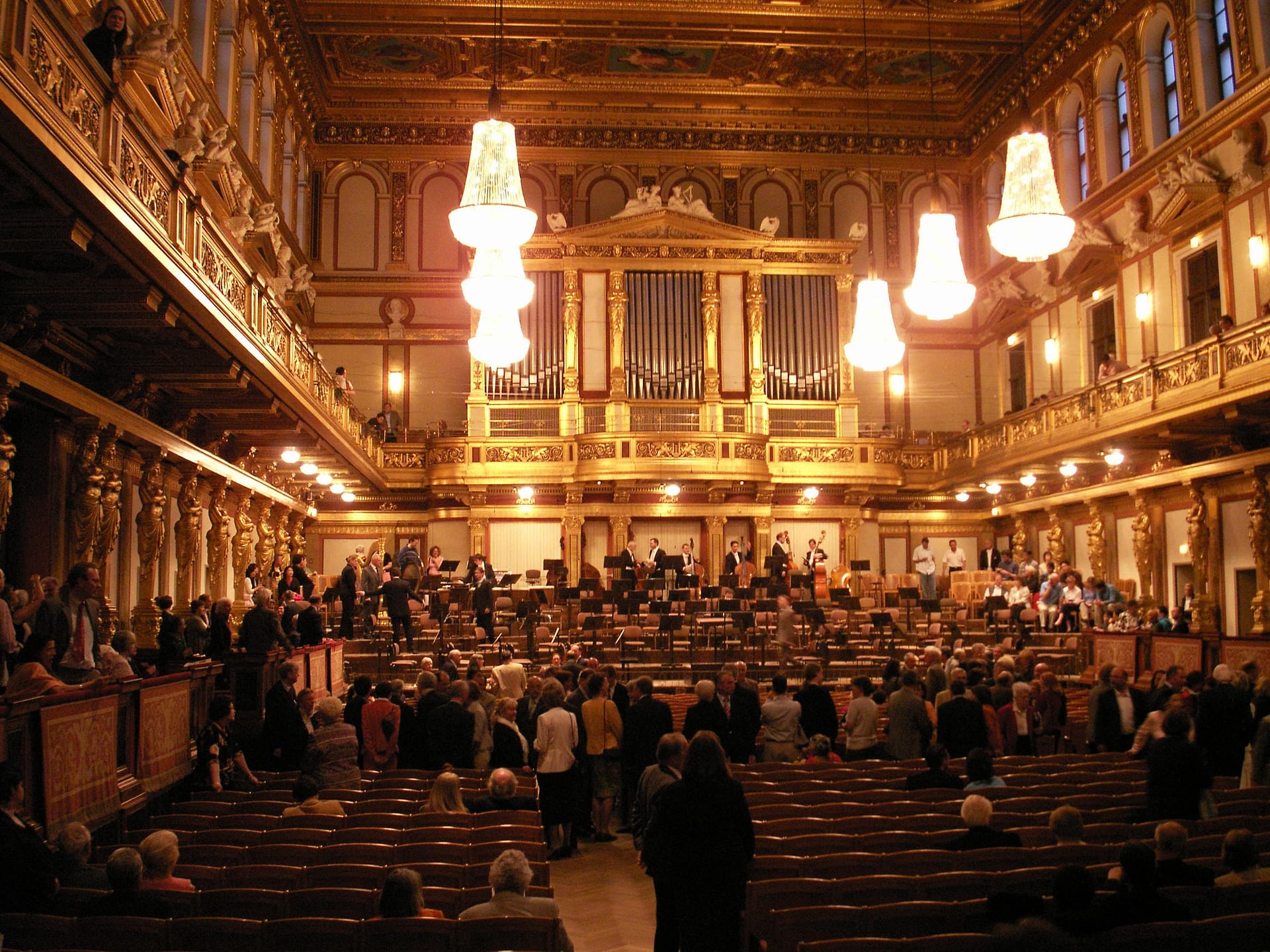
Music lovers flock to Vienna for its deep connections to classical composition, with venues hosting everything from intimate chamber concerts to full orchestral performances. The Danube River offers scenic walks and recreational opportunities, while neighborhoods like the Naschmarkt provide authentic local color with street vendors, fresh produce, and culinary discoveries. Beyond sightseeing, Vienna's culinary scene delights with traditional Austrian dishes, world-class restaurants, and affordable street food options. The city's walkable districts, excellent public transportation, and overall safety make it an accessible destination for travelers of all types. History buffs will revel in tracing the footsteps of emperors, composers, and philosophers, while those simply seeking elegance and beauty will find themselves enchanted by Vienna's timeless appeal.
Best of Vienna
Best Hotels in Vienna

Best Things to Do in Vienna

Vienna Travel Tips
Best Time to Go
Vienna's temperate continental climate means each season offers distinct advantages and considerations.
Spring (March–May) brings gradually warming temperatures (7°C to 20°C) and the city's parks burst into bloom, including the stunning Stadtpark and Belvedere Gardens. May and June host the Vienna Festival (Wiener Festwochen), focusing on music and theater. Weather becomes increasingly reliable in May, making outdoor exploration particularly enjoyable. However, spring months (particularly May and June) attract shoulder-season tourists seeking pleasant weather.
Summer (June–August) offers warm, comfortable conditions with temperatures averaging 19°C to 21°C. July and August see consistently sunny days, making the season ideal for sightseeing and enjoying Vienna's outdoor offerings, including Danube cycling and beer gardens. However, July represents the warmest month and can feel uncomfortably hot, occasionally exceeding 24°C. This peak season draws maximum tourist crowds and commands the highest accommodation prices.
Autumn (September–October) transitions from summer warmth to crisp fall conditions, with temperatures ranging from 11°C to 17°C. September remains relatively touristic due to lingering pleasant weather, but October offers fewer crowds while maintaining acceptable weather for sightseeing. Autumn brings cultural events, including film festivals and concerts, and the landscape displays beautiful golden foliage.
Winter (November–February) transforms Vienna into a magical destination, particularly December when Christmas markets adorn the city with festive decorations, crafts, and holiday foods. Temperatures drop to freezing (0°C to 5°C), with occasional snow, but the romantic atmosphere justifies the cold. However, November and January through early February experience the least appealing conditions—grey skies, persistent drizzle, and limited sunshine create a somewhat dreary atmosphere. Winter's disadvantage includes reduced daylight hours and higher heating utility costs. December through February is considered the most expensive season for accommodations due to holiday demand.
The absolute best months to visit Vienna are May, June, October, and December. Why? May and June have ideal temperatures (16°C–19°C), blooming gardens, manageable crowds (compared to July-August), cultural festivals, long daylight hours. October offer fewer tourists than spring/early summer, pleasant autumn weather (11°C–18°C), golden foliage, reduced accommodation prices. December is for unique Christmas market experience, festive atmosphere, magical ambiance (though expensive and crowded).
Weather in Vienna
How to Save Money in Vienna
Use public transportation passes Vienna's excellent public transport system—U-Bahn metro, trams, and buses—becomes incredibly affordable with passes. A weekly pass costs just €17.10, while 24, 48, or 72-hour tourist cards provide unlimited travel across the system. Skip taxis entirely and navigate the city like a local using the integrated network that efficiently connects all major attractions.
Eat like a local at supermarkets and street vendors Budget meals come from Billa, Spar, and Hofer supermarkets offering prepared sandwiches (€2-4), salads (€3-5), and hot dishes (€4-6). Street vendors sell sausages for under €8, and bakeries offer fresh pastries for €2-3. Picnic lunches in parks with palace views cost a fraction of restaurant prices while providing authentic Vienna experiences.
Visit free and discounted attractions St. Stephen's Cathedral's interior is free, and Burggarten and Volksgarten parks require no entry fee. Many museums offer free entry hours, and walking tours typically operate on a tips-only basis. The Vienna Card provides unlimited public transport plus discounts at numerous attractions, delivering excellent value for multi-attraction visitors.
Tipping is essential culture
Service charges are never included in bills at restaurants, cafes, or bars. Leaving without tipping signals dissatisfaction, so budget 10% as standard practice. Even at coffee houses where you settle comfortably for hours, tipping is expected as part of Vienna's service culture.
Book reservations ahead during peak seasons
Popular restaurants, hotels, and attractions fill quickly from June through August and during December holidays. Booking accommodations 2-4 weeks ahead ensures availability and often better rates. Museum tickets purchased online frequently offer discounts compared to on-site purchases.
Time your museum visits strategically
Visit top attractions during off-peak hours: weekday mornings rather than afternoons, or early in the week before weekend crowds arrive. Many museums offer reduced evening entry rates. Book the Vienna Pass for full-price attractions if you plan to visit four or more paid sites. Additionally, children under 19 receive free admission to all federal museums, including the Kunsthistorisches Museum, Natural History Museum, and Technical Museum.
Culture & Customs
Viennese culture is rooted in Austrian values of politeness, punctuality, and respect for order and hierarchy. When greeting people, a firm handshake combined with direct eye contact is standard, and addressing people by titles (Herr Doktor, Frau Professor) shows respect for their status. The famous coffeehouse culture represents far more than simply ordering a drink—these establishments are sacred spaces for lingering, reading newspapers, socializing, and experiencing Viennese life at a leisurely pace. Waiters expect patience from patrons, and rushing customers is considered improper.
Dining etiquette matters significantly in Vienna; table service is standard in most restaurants, so never approach a counter to order unless explicitly marked "Selbstbedienung" (self-service). Keep hands visible on the table, maintain your fork in the left hand and knife in the right throughout meals, and never start eating until everyone has been served. Finishing everything on your plate is considered good manners. When drinking alcohol, Austrians always toast before the first sip, making eye contact while saying "Prost."
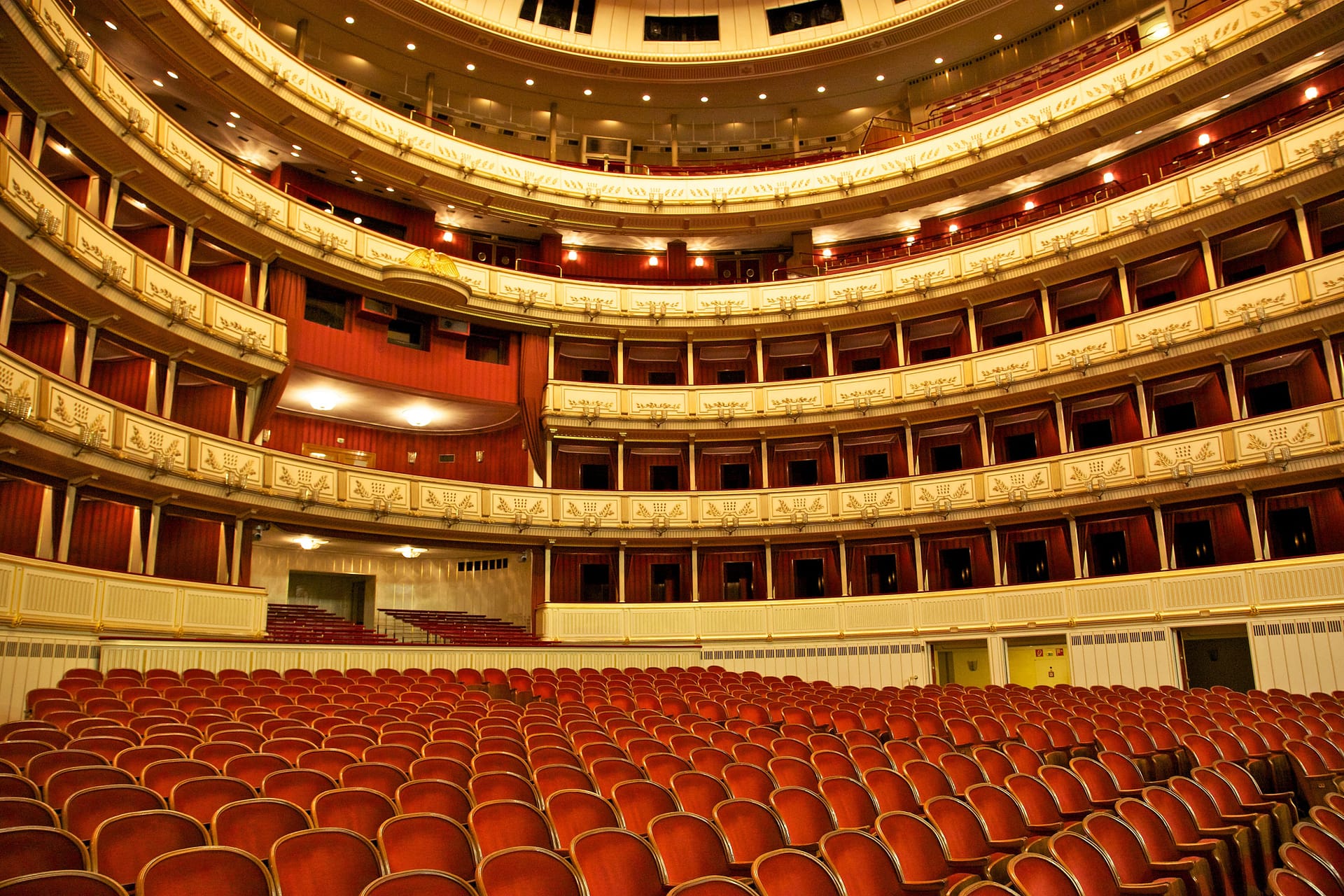
Fashion in Vienna leans toward quiet elegance and sophistication rather than attention-grabbing outfits, reflecting Austria's Catholic traditions and cultural preferences for understated style. The Viennese appreciate cultural refinement, so dressing appropriately for theater, opera, and concert performances is important—formal attire is never excessive in Vienna and is often appreciated.
What to Eat
Vienna's culinary traditions blend centuries of Habsburg imperial heritage with contemporary European sophistication. Wiener Schnitzel, the city's most iconic dish, consists of thinly pounded veal coated in breadcrumbs and pan-fried until golden, traditionally served with a slice of lemon, lingonberry jam, and potato salad or parsley potatoes. This legendary dish appears on nearly every restaurant menu, with Figlmüller being the most famous dedicated schnitzel restaurant where Arnold Schwarzenegger himself reportedly named his dog after this beloved dish. Tafelspitz, a tender boiled beef dish historically favored by emperors, comes with horseradish cream and boiled potatoes and represents the heart of Viennese comfort food. Schweinsbraten (roast pork) features a crispy, seasoned skin and is traditionally accompanied by sauerkraut and dumplings for family meals.
Sweet treats are equally important to Vienna's food identity. Sachertorte, Austria's most famous dessert, consists of two chocolate cake layers with apricot jam sandwiched between them, all covered in glossy chocolate glaze—the Hotel Sacher has claimed exclusive recipe ownership for generations. Apfelstrudel (apple strudel) offers warm, flaky pastry filled with apples, raisins, and cinnamon, typically served with vanilla sauce or whipped cream. Kaiserschmarrn, shredded pancakes served with fruit compotes, provides another beloved sweet option. Vienna's famous Kaffee und Kuchen (coffee and cake) tradition remains central to daily life, with coffee houses serving countless pastry varieties alongside espressos, cappuccinos, and specialty coffee drinks.
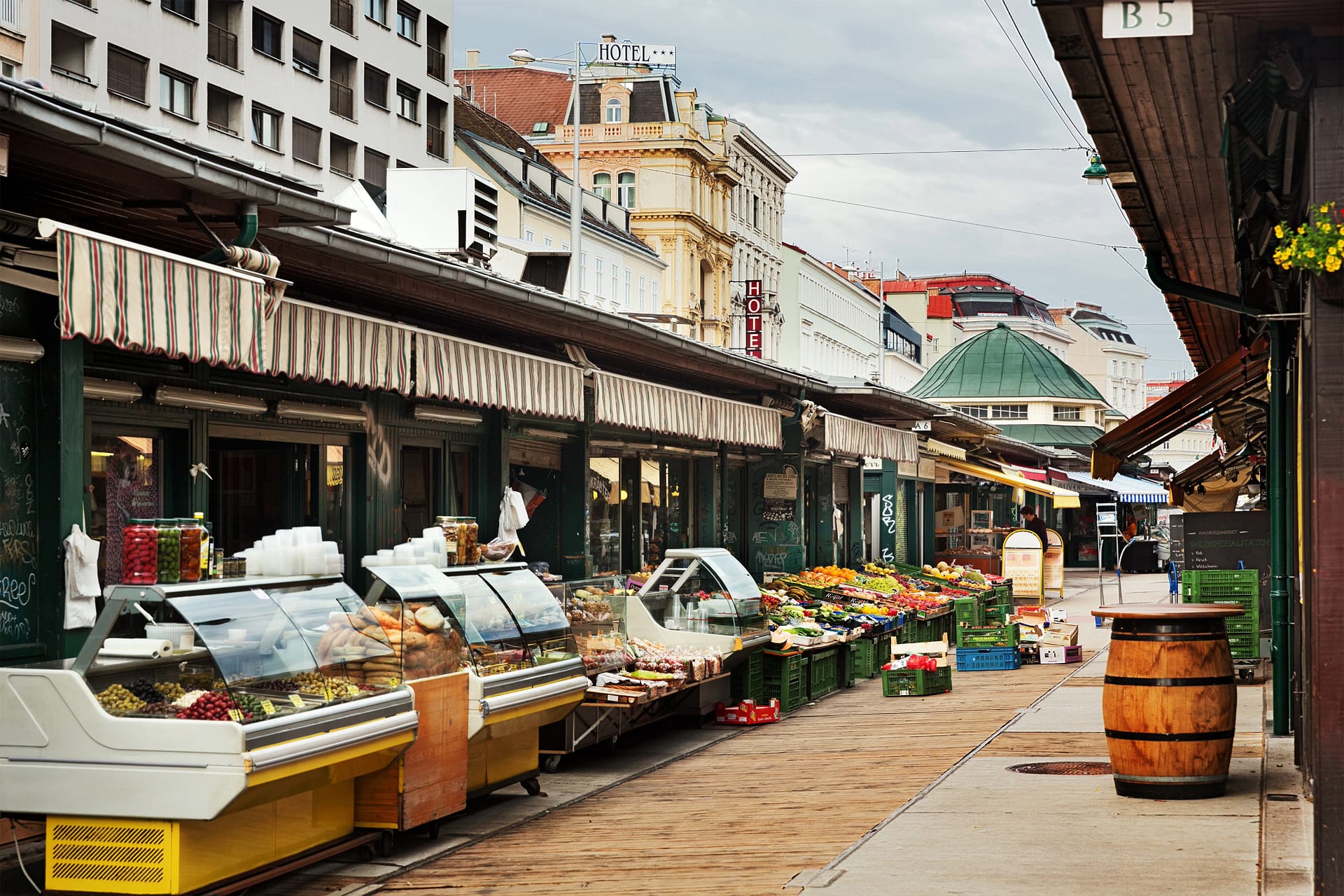
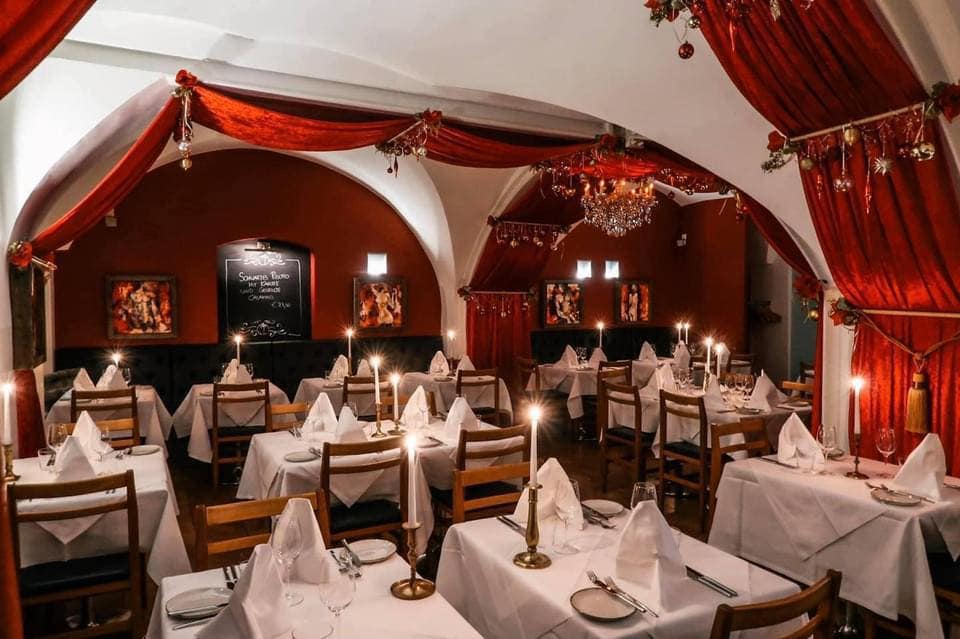
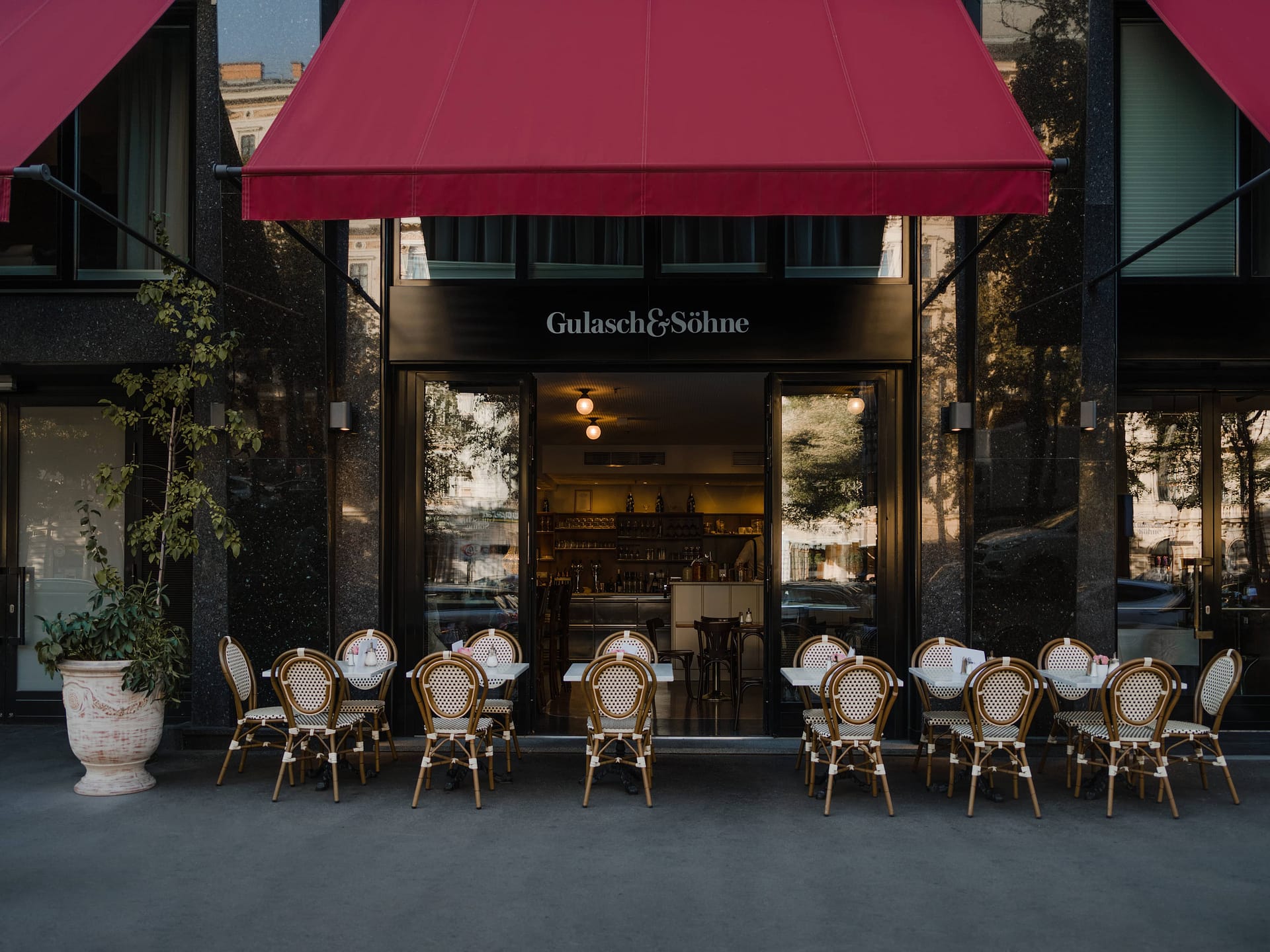
Beyond traditional Austrian cuisine, Vienna's diverse population has created a cosmopolitan dining scene. Naschmarkt, Vienna's most famous market stretching along the Wien River, offers everything from fresh produce to prepared foods from Turkish, Asian, and international vendors. Würstelstand (sausage stands) throughout the city serve affordable, authentic street food with various sausage types like Käsekrainer (cheese-filled sausage) for under €5. For budget dining, ethnic restaurants near universities—particularly Vietnamese and Chinese establishments—serve generous portions of excellent food for €7-12. Traditional Beisln (simple taverns) frequented by locals serve authentic Viennese comfort food with lunch specials around €8-12. For the ultimate coffeehouse experience, venues like Café Central offer the classic Viennese ritual of settling in for hours with a coffee, pastry, and newspaper in a grand, historic atmosphere. Wine enthusiasts should visit Heurigen wine taverns in the surrounding Vienna Woods, where locals gather for buffet-style meals (€15-25) paired with fresh white wines by the glass (€4-6) in a relaxed, convivial setting.
Safety
Vienna consistently ranks among Europe's safest major cities, earning recognition in global quality of life surveys and peace indices. According to 2024-2025 crime statistics, Vienna has a crime index of approximately 28-30 and a safety index of around 70, indicating low overall crime levels. The city regularly appears in the Economist Intelligence Unit's Global Liveability Index, ranking first in recent years due partly to its exceptional safety record. Specific crime concerns remain low across categories: worries about home break-ins and theft are low (25%), mugging or robbery concerns are minimal (24%), and violent crime rates remain substantially below European and global averages.
Austria itself ranks fourth in the 2025 Global Peace Index, just behind Iceland, Ireland, and New Zealand, underscoring the region's safety culture. Walking alone during daylight hours rates as very safe (83% safety rating), while nighttime walking rates as high security (66% safety rating). Like any major city, travelers should exercise standard precautions: watch personal belongings on public transport, avoid displaying expensive items, maintain situational awareness in crowded tourist areas, and use official taxis or ride-sharing apps at night. Petty theft targeting tourists occurs primarily in crowded areas like Naschmarkt and train stations rather than residential neighborhoods. The Vienna police force maintains visible presence, and emergency services are easily accessible. Overall, Vienna's reputation as one of the world's safest cities is well-deserved, allowing visitors to explore confidently.
How to Get Around Vienna
Vienna's exceptional public transportation network makes navigating the city remarkably straightforward. The U-Bahn (metro) system, operated by Wiener Linien, consists of five lines (U1, U2, U3, U4, U6) with a new U5 line launching in 2026. Trains depart every 5 minutes during peak hours and every 7-8 minutes during off-peak times, running from 5:00 AM to midnight on weekdays and 24 hours on weekends. Single tickets cost €2.40, but tourist passes (24, 48, or 72-hour options) provide better value for extensive sightseeing. The iconic Straßenbahn (tram) network, the sixth longest in the world, is particularly scenic—Lines 1 and 2 traverse the famous Ringstrasse, passing major attractions like City Hall, the State Opera, and leading museums. Trams originated in Vienna in 1865 and remain a charming, efficient way to sightsee while traveling. Buses serve areas outside the metro and tram network, offering nighttime service essential for evening activities. The system operates on an honor-based ticketing model with no barriers—simply board and validate your ticket, though random inspections occur regularly.
For a personalized Vienna experience, the city's compact districts are highly walkable, particularly the historic Innere Stadt (inner city) containing St. Stephen's Cathedral and many major attractions. Cycling has become increasingly popular, with extensive bike lanes throughout the city and numerous bike-share stations. Taxis are available but expensive (€2.40 meter start plus €1.20 per kilometer), making them unnecessary given excellent public transport. The Vienna Card, offering unlimited public transport and museum discounts, provides excellent value. Download the Wiener Linien app for real-time transit information, journey planning, and ticket purchases to maximize your mobility and efficiency.
Entry & Exit Requirements
U.S. citizens do not require a visa for tourism or business visits to Austria lasting up to 90 days within any 180-day period. A valid U.S. passport with at least six months remaining validity upon entry is the only document required—no visa application is necessary. There are currently no COVID-related entry requirements for American travelers. However, be aware that beginning in 2026, the European Travel Information & Authorisation System (ETIAS) will require all visa-exempt travelers, including U.S. citizens, to register online for electronic travel authorization before arrival. ETIAS registration is a simple, online-only process requiring a valid passport and costs approximately €7, with authorization valid for three years. U.S. citizens should not attempt to stay longer than 90 days without obtaining an appropriate Austrian visa from the Austrian Embassy or a consulate, as overstaying tourist permits results in serious legal consequences. Upon departure, no special exit requirements apply beyond standard airport security procedures. For the most current information, visit the U.S. State Department's website.