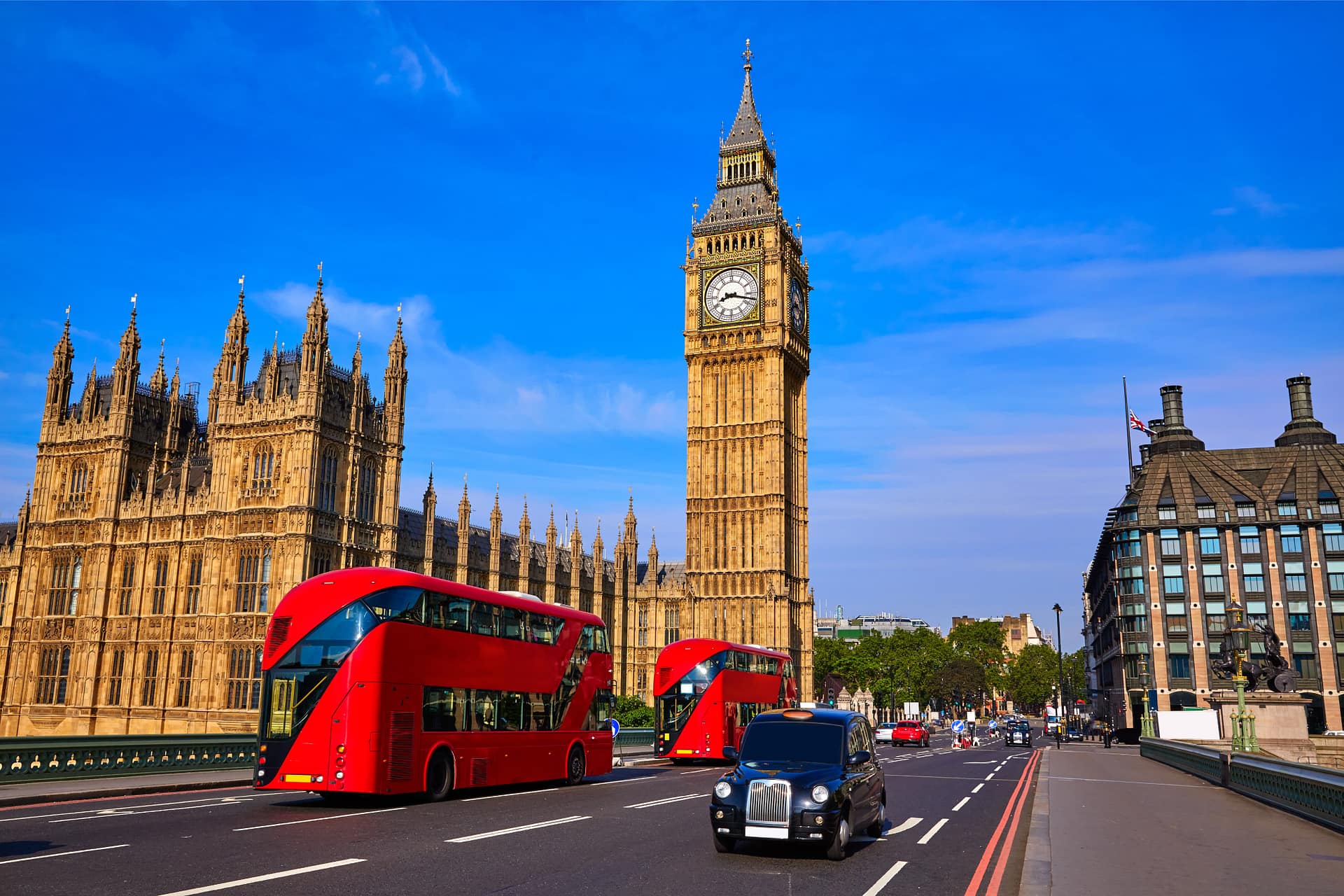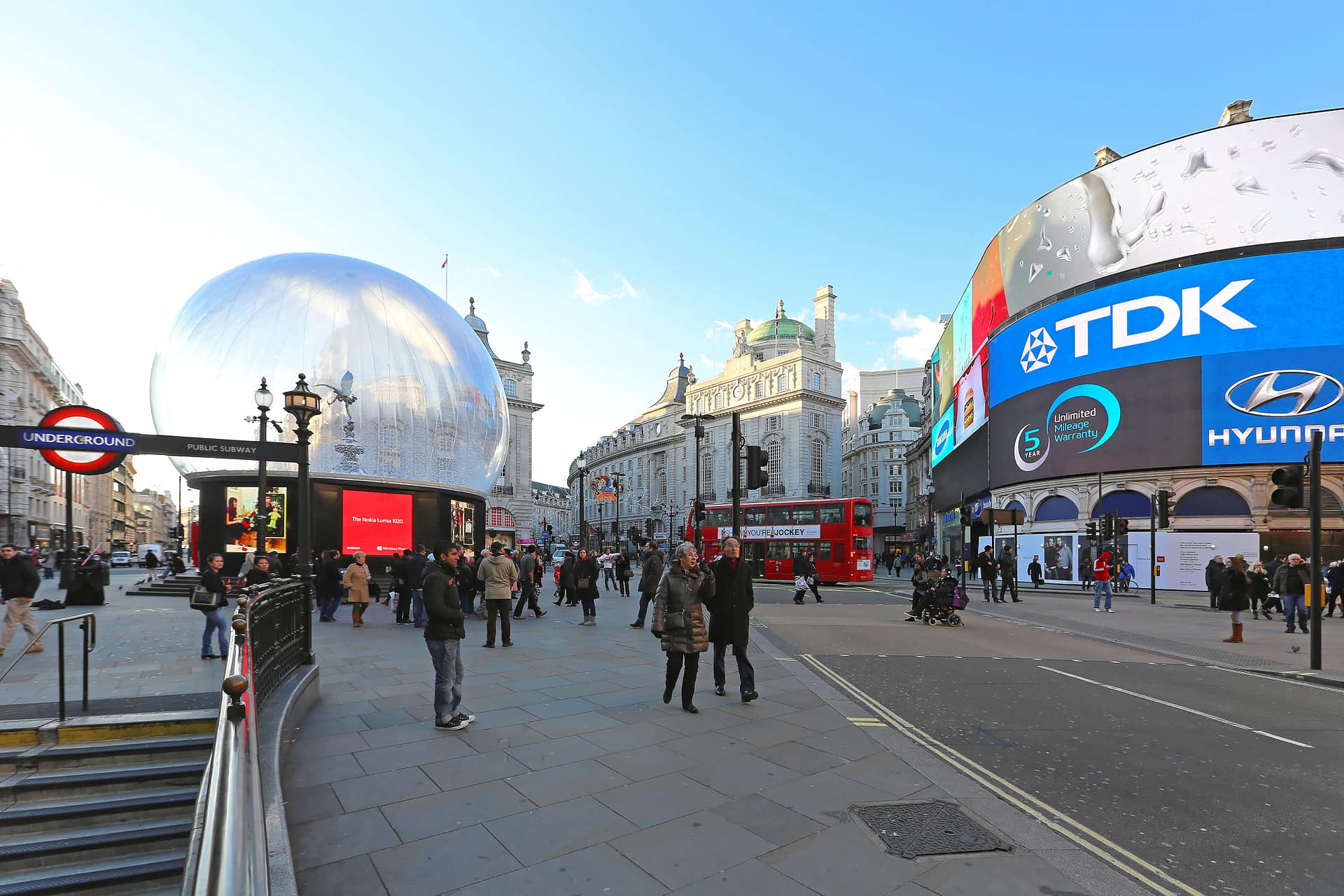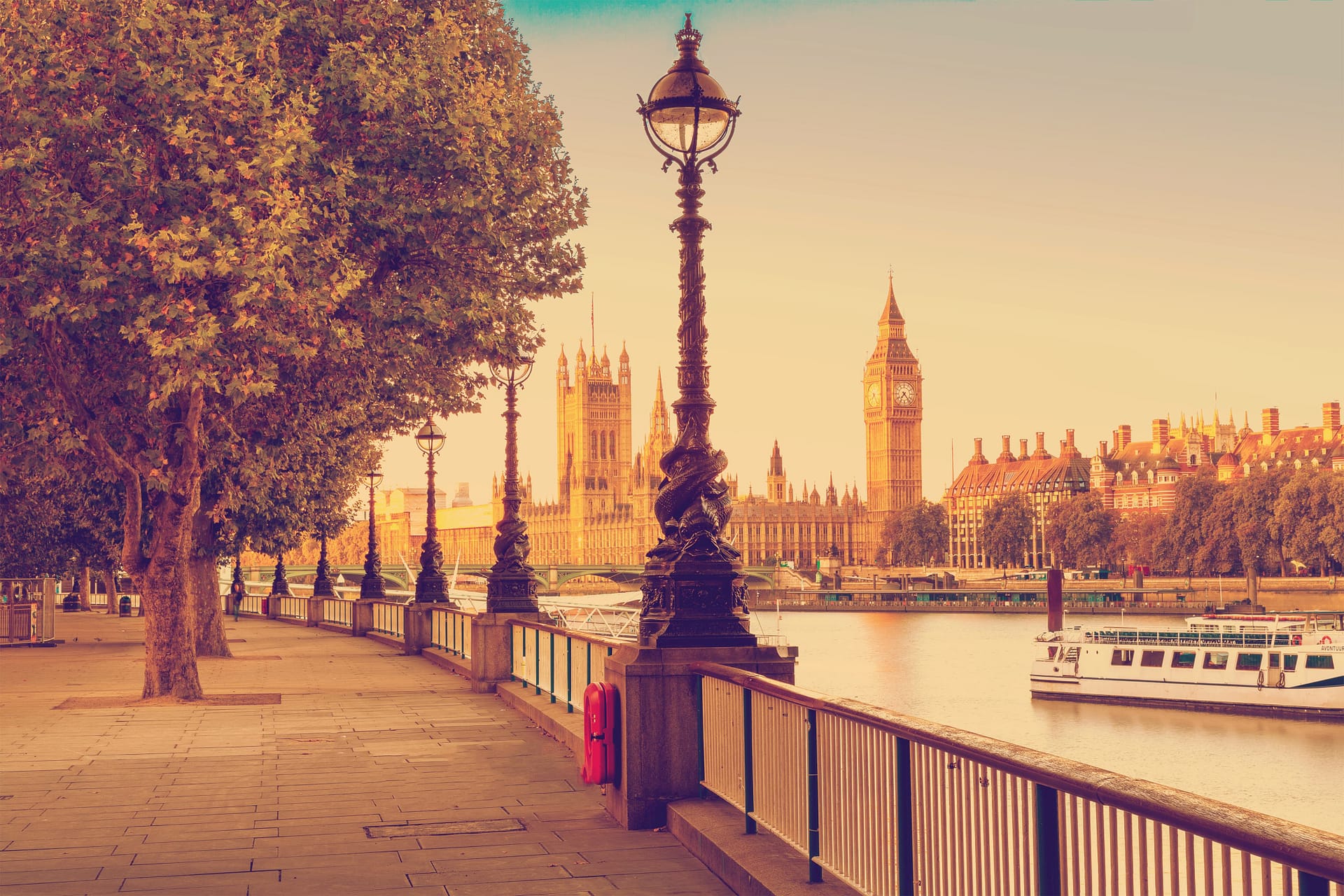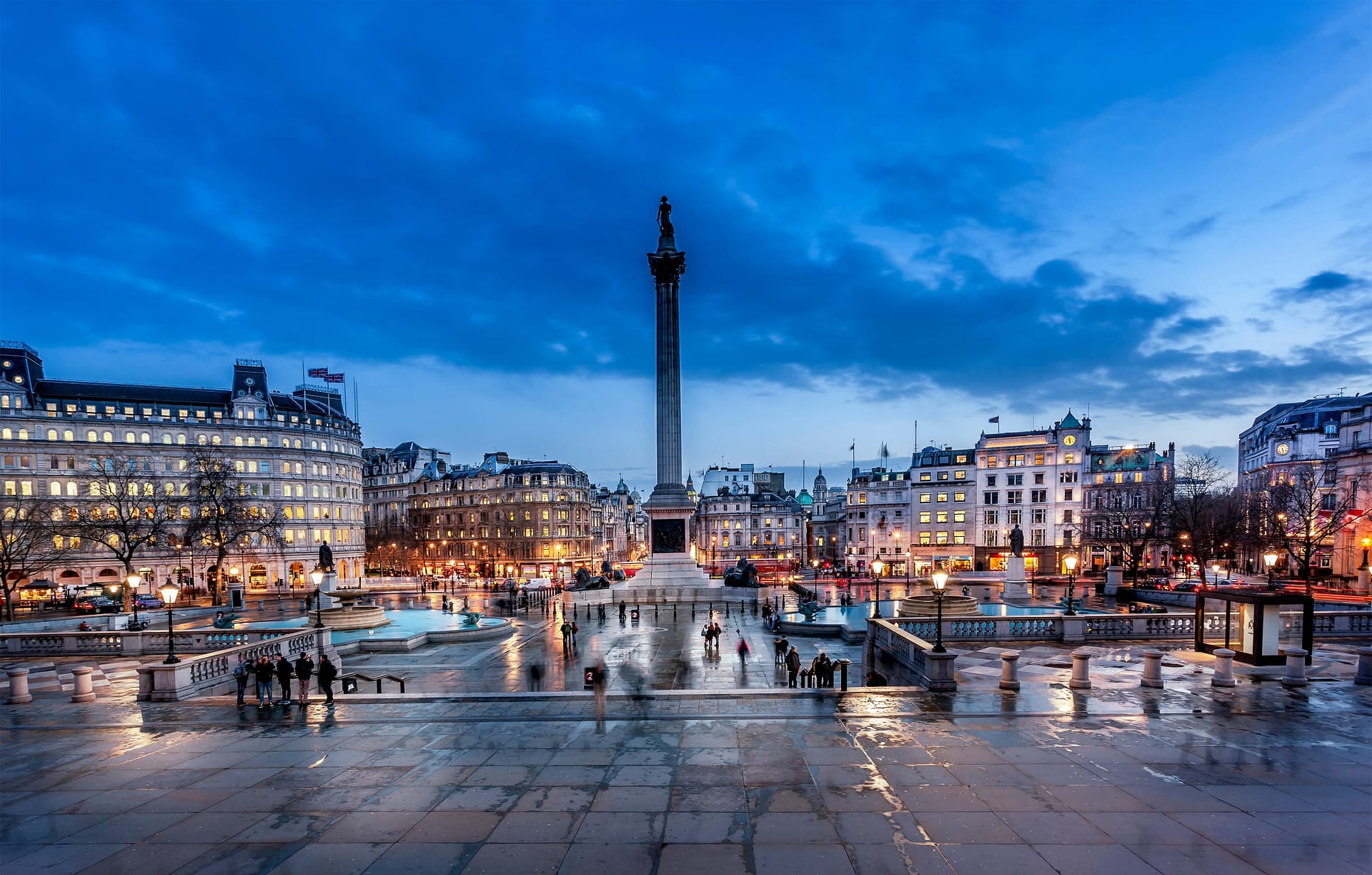


London is undoubtedly among the world's most captivating destinations. It seamlessly blends centuries of royal heritage with cutting-edge modernity. From the iconic Big Ben and Westminster Abbey to the trendy neighborhoods of Shoreditch and Soho, England's capital offers an intoxicating mix of history, culture, and urban energy that attracts over 20 million visitors annually.
Whether you're marveling at the Crown Jewels in the Tower of London, exploring the world-class museums free to the public, sipping afternoon tea at a historic establishment, eating well at famous restaurants or discovering hidden gems in London's diverse neighborhoods, the city rewards curious travelers with unforgettable experiences. This comprehensive guide equips you with essential knowledge about London's best attractions, practical travel tips, cultural insights, and budget-friendly strategies to maximize your visit to this remarkable city.
About London
London, the capital of the United Kingdom and England, stands as one of Europe's most historically significant and culturally vibrant cities. With a metropolitan population exceeding 9 million people within Greater London, the city ranks among the world's largest urban centers. Established by the Romans around 47 AD as Londinium, London has evolved from a military settlement into a global powerhouse commanding influence in finance, politics, arts, culture, and commerce.
The city's geographic position along the Thames River provided the foundation for its rise as a major port and trading center. Today, London's economy ranks as one of the largest in the world, and the city serves as home to the British monarchy, Parliament, and numerous international organizations. The urban landscape reflects London's layered history—medieval streets exist alongside Victorian-era architecture, twentieth-century landmarks, and contemporary glass buildings. London's defining characteristic is its remarkable diversity, with nearly 270 nationalities represented among its residents, creating a genuinely cosmopolitan environment that celebrates multiple cultures, cuisines, and artistic traditions.
Why Go to London
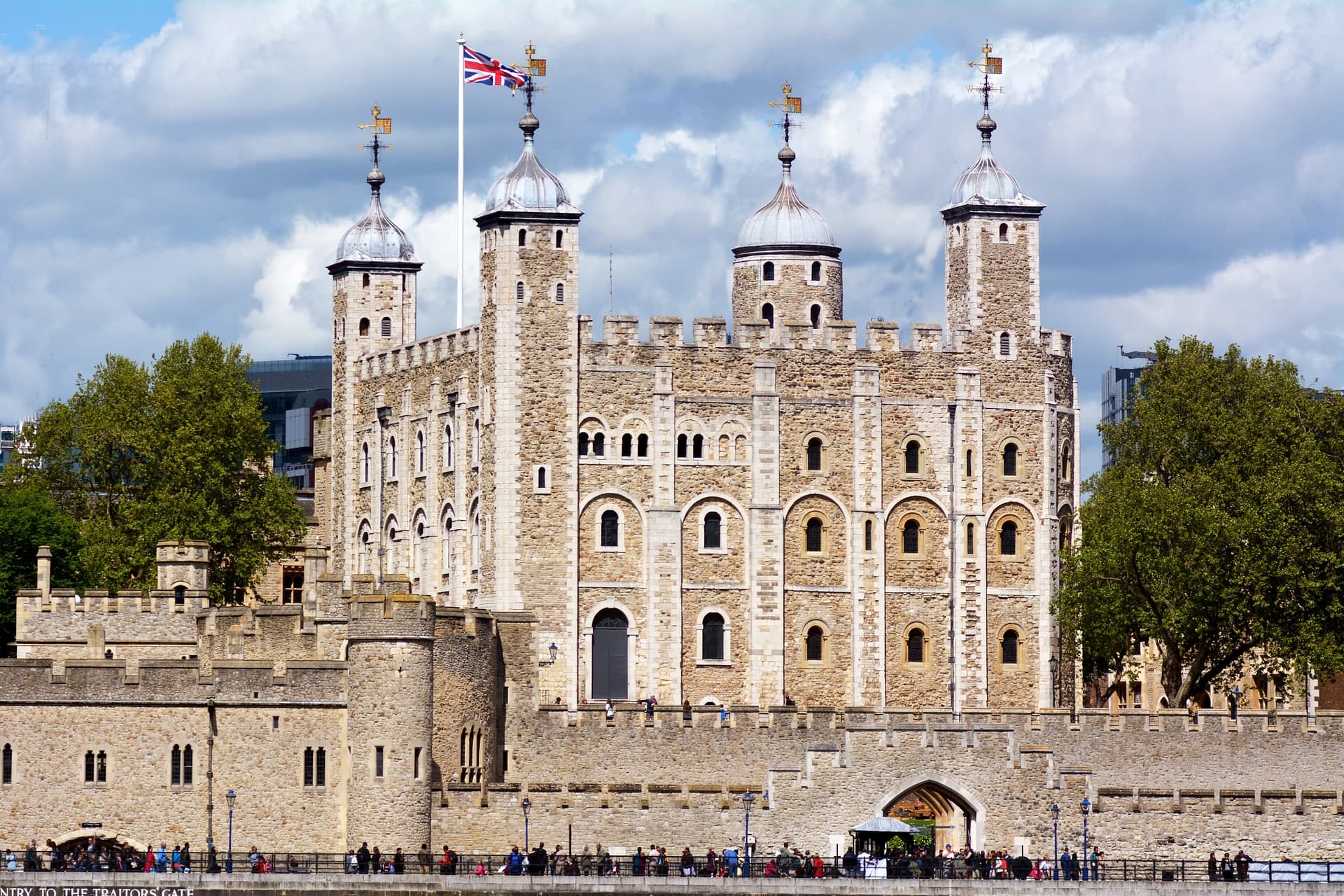
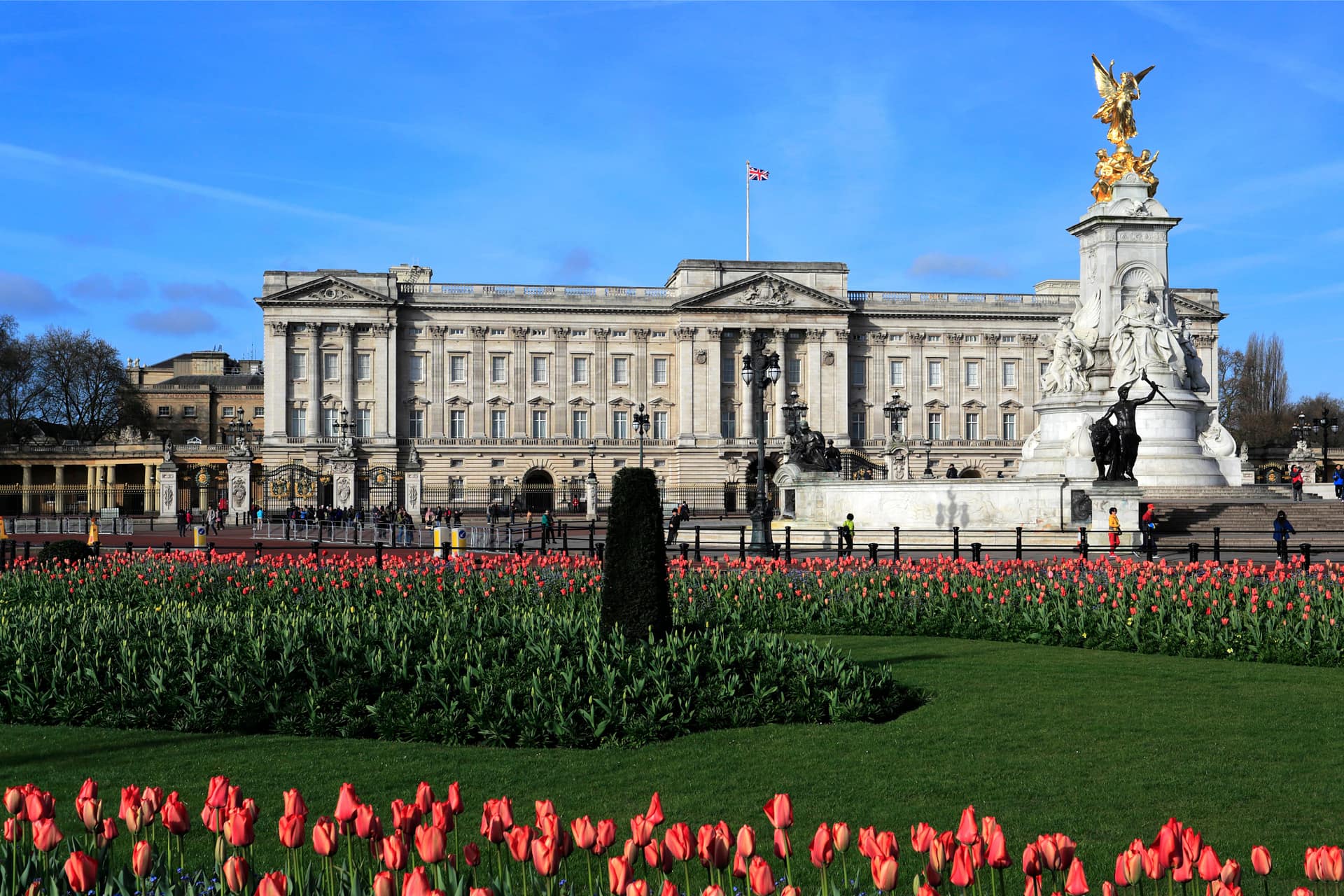
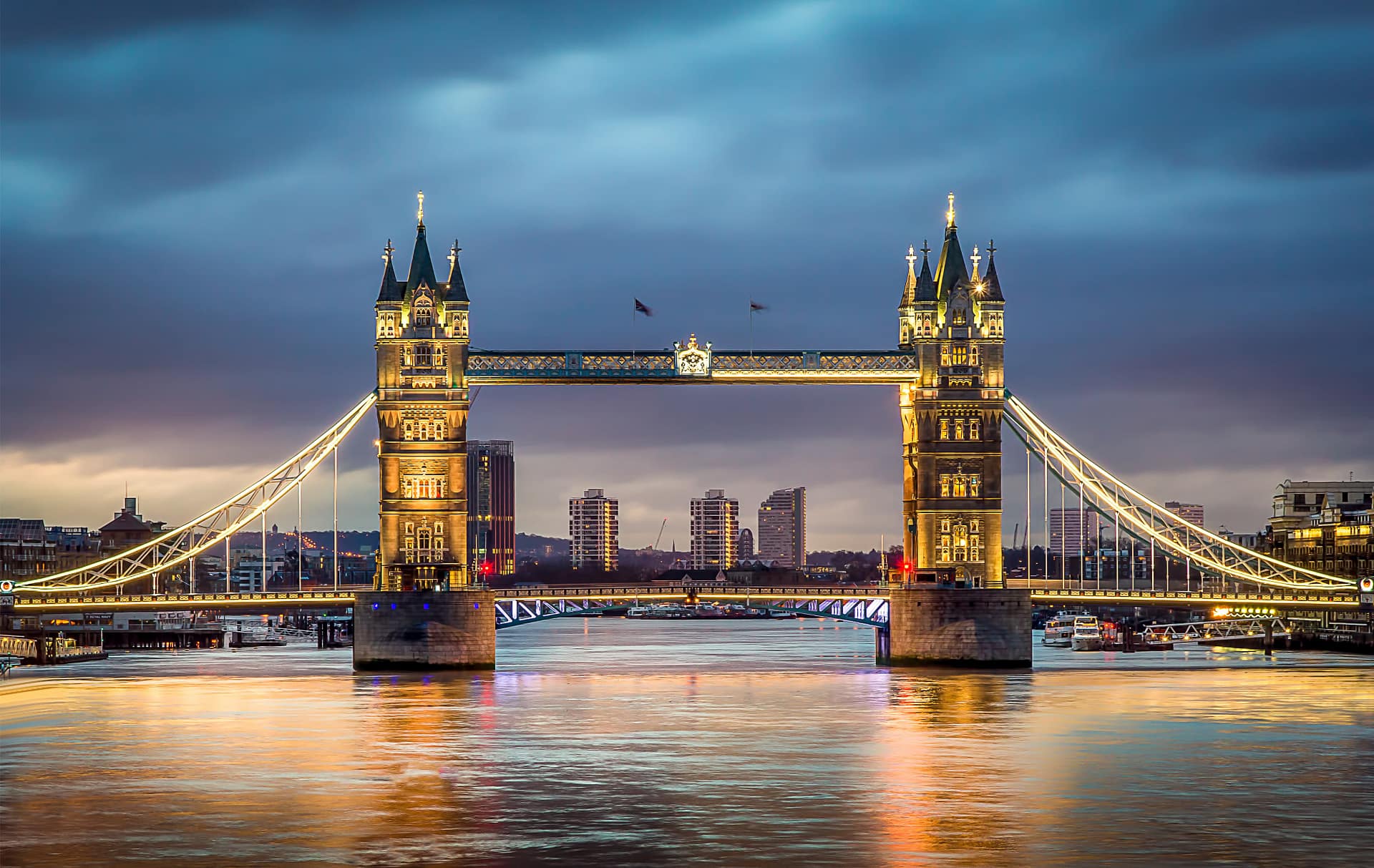
London represents a destination with something to offer every type of traveler. History enthusiasts find themselves immersed in a city where they can walk streets that have witnessed centuries of human drama, from medieval times through the present day. The city's iconic landmarks—Tower of London, Westminster Abbey, Buckingham Palace, Tower Bridge, and Big Ben—embody architectural achievement and historical significance that captivates visitors.
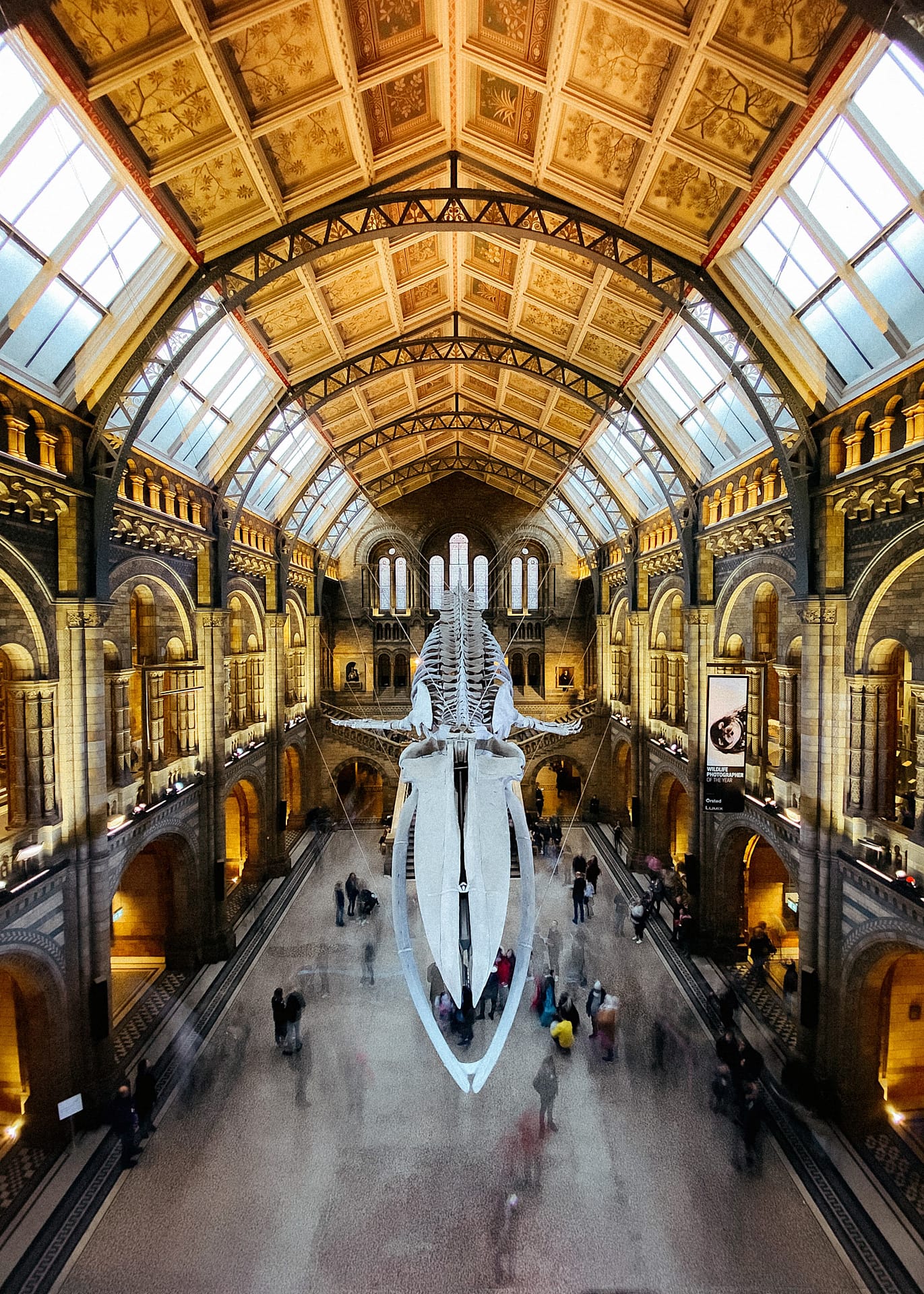
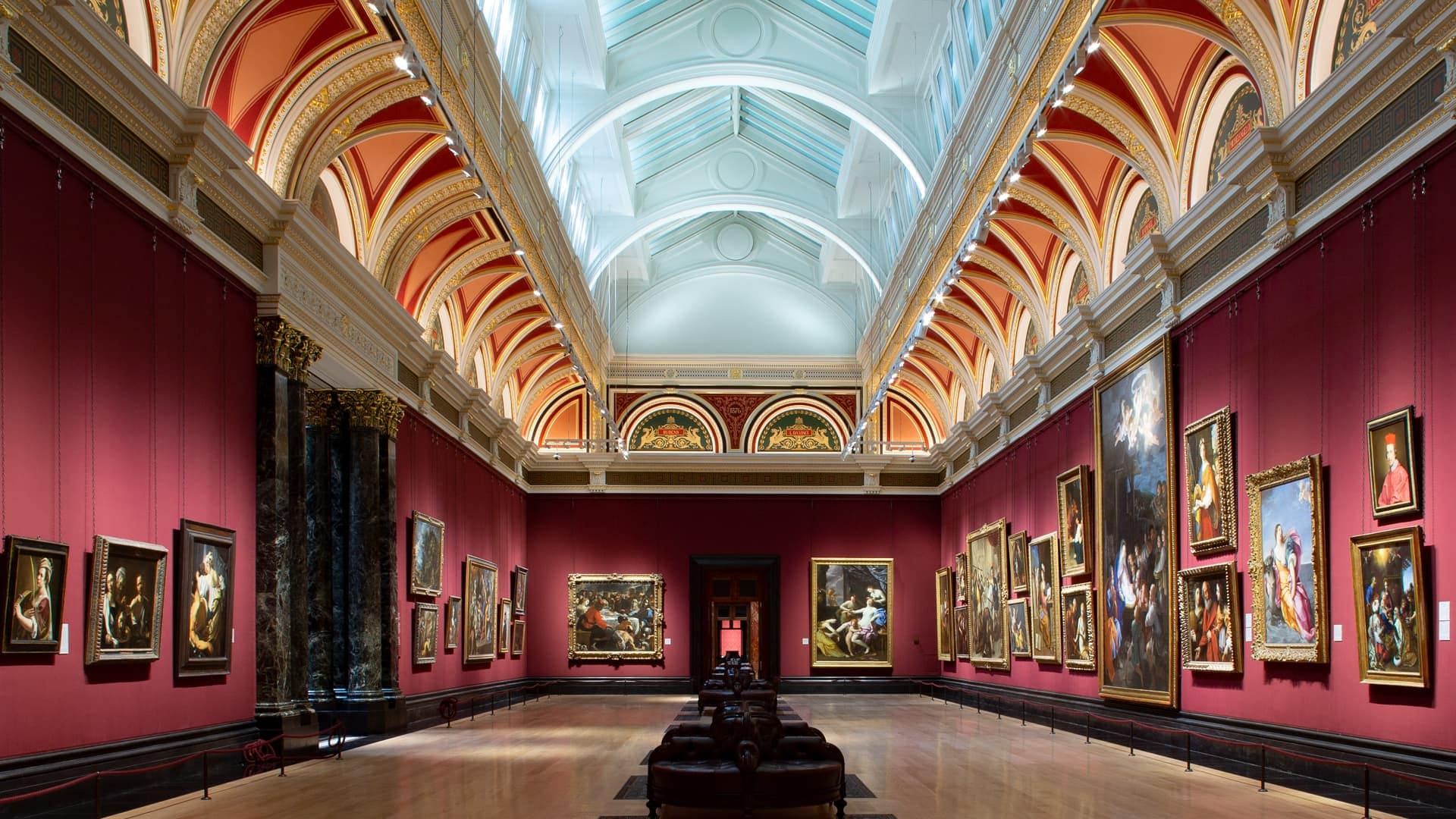
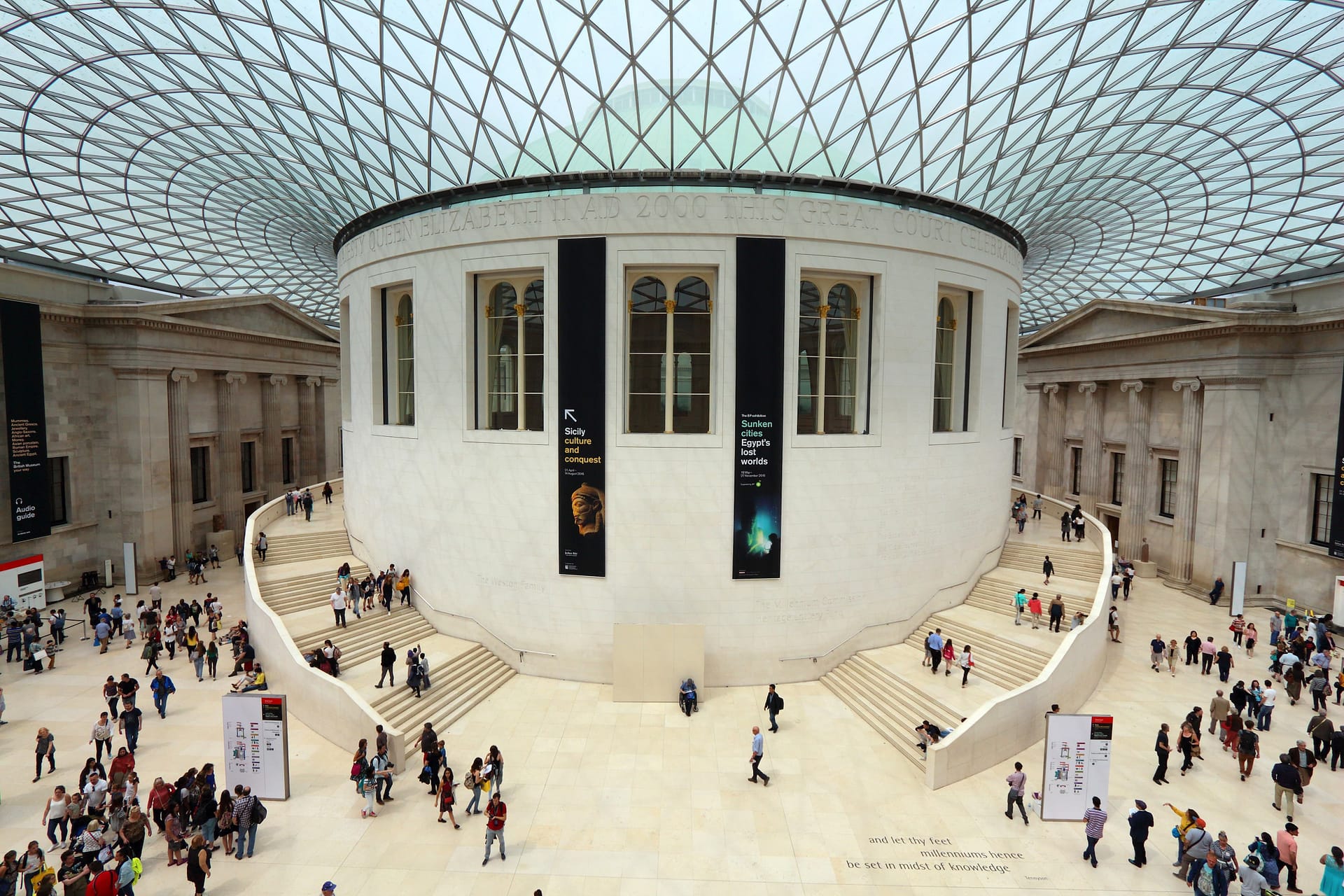
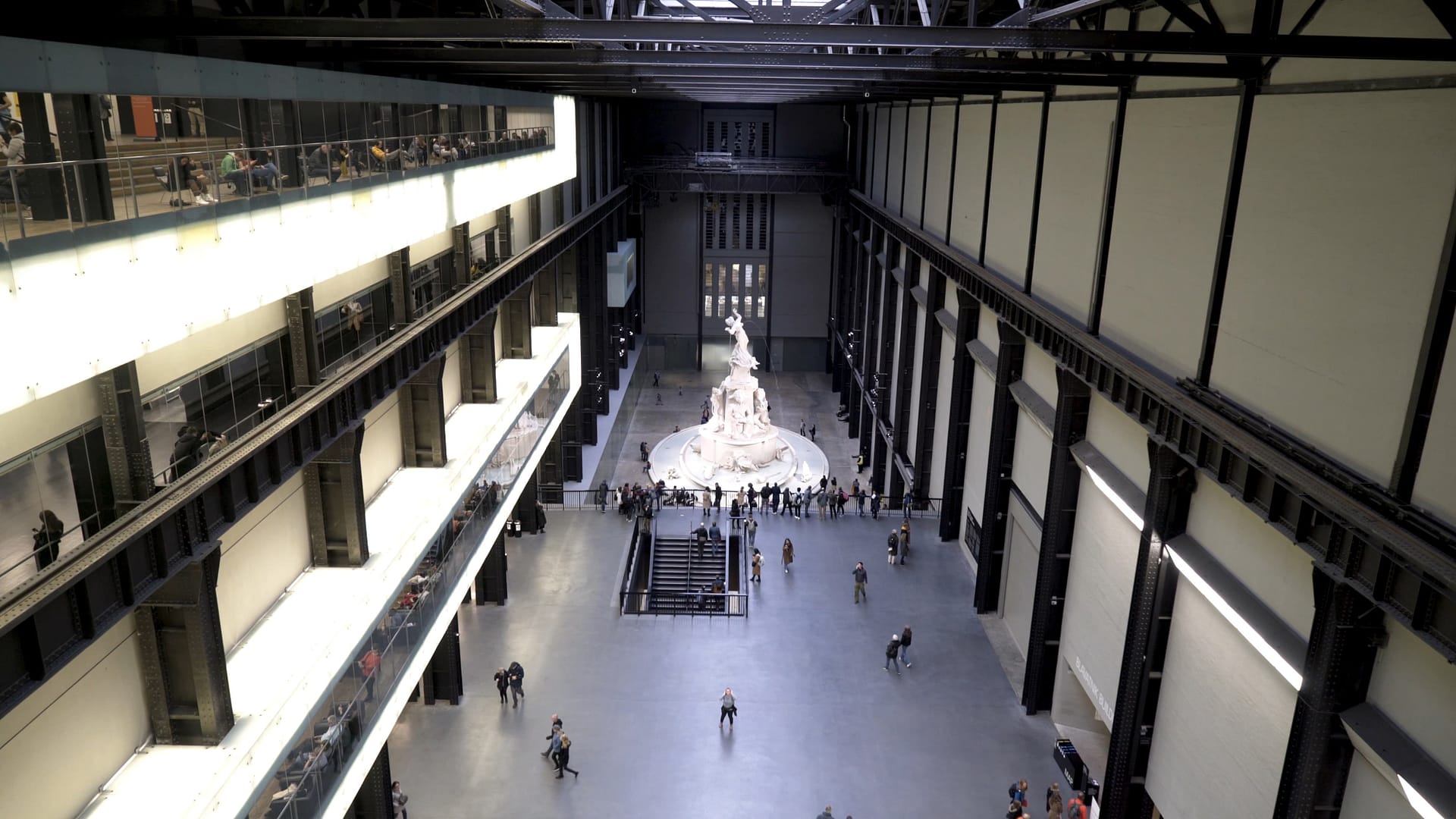
Culture lovers discover an unparalleled concentration of world-class museums and galleries, many offering free admission. The British Museum, National Gallery, Tate Modern, Natural History Museum, and V&A Museum showcase collections spanning human civilization. London's West End theaters rival Broadway with innovative productions and theatrical traditions spanning centuries. Food enthusiasts find themselves in a gastronomic paradise where authentic British cuisine coexists with exceptional international dining. From fish and chips in historic pubs to Michelin-starred restaurants and diverse international cuisines representing the city's global population, London's food scene rivals any major culinary destination.
The city also excels as a shopping destination with everything from luxury boutiques in Knightsbridge to vintage markets in Camden and vintage clothing in Portobello Road. Royal Parks including Hyde Park, Kensington Gardens, and Regent's Park provide green spaces for respite and recreation within the urban environment. London's efficient public transportation system, constant calendar of events and festivals, and reputation as a safe major city make it highly accessible to visitors of all abilities and comfort levels.
Best of London
Best Hotels in London

Best Things to Do in London

London Travel Tips
Best Time to Go
London welcomes visitors year-round, with each season presenting distinct advantages depending on your priorities.
Spring (March-May) emerges as one of London's most attractive seasons, offering comfortable temperatures averaging 11-15°C (52-59°F) and the spectacular blooming of the city's parks. Hyde Park, Kensington Gardens, and Regent's Park burst with daffodils, tulips, and early roses, creating photogenic landscapes. Longer daylight hours extend into evening, and the Chelsea Flower Show in late May attracts garden enthusiasts worldwide. Tourist numbers remain moderate, and accommodation prices run 20-30% lower than summer peaks.
Summer (June-August) brings London's warmest weather with average temperatures of 18-23°C (64-73°F), though occasional heat waves reach 28-30°C (82-86°F). This season offers 15+ hours of daylight with sunset occurring after 9 PM, maximizing time for outdoor exploration. However, summer represents peak tourist season, resulting in crowded attractions, significantly higher accommodation costs, and extended wait times at popular sites. The Elizabeth Line, opened in 2022, provides a quicker alternative route from Heathrow Airport.
Autumn (September-October) represents an underrated gem, delivering excellent weather comparable to spring with temperatures of 12-18°C (54-64°F), fewer crowds than summer, and 20-30% lower accommodation rates. The cultural calendar accelerates with festivals, exhibitions, and events resuming after summer. This shoulder season provides an optimal balance of pleasant weather, manageable crowds, and reasonable pricing.
Winter (December-February) brings the coolest temperatures averaging 5-10°C (41-50°F) with shorter daylight hours ending by 4 PM, but London experiences only occasional snow that rarely disrupts city operations. The festive season transforms London into a magical destination with elaborate holiday decorations, Christmas markets, ice rinks, and theatrical performances. Accommodation prices drop significantly, and attractions become less crowded. Winter suits travelers prioritizing budget, festive atmosphere, and cultural experiences over extensive outdoor sightseeing.
May and September stand out as the best times to visit London. May delivers spring's spectacular blooms and mild 14-18°C (57-64°F) temperatures with manageable crowds before summer peak season. September offers similar weather, fewer tourists than peak summer, excellent cultural programming, and lower prices. Both months provide the optimal balance of pleasant climate, reduced crowds, reasonable accommodation costs, and maximum daylight hours for sightseeing.
Weather in London
How to Save Money in London
Maximize free museums and attractions London's greatest money-saving opportunity comes from its exceptional concentration of free world-class museums and cultural institutions. The British Museum, National Gallery, Tate Modern, Natural History Museum, V&A Museum, and the Sherlock Holmes Museum all offer completely free admission to permanent collections. These institutions would justify expensive entry fees in other cities. Additionally, walking through historic neighborhoods including Westminster, the City, South Bank, and Camden costs nothing. London's eight Royal Parks—including Hyde Park, Kensington Gardens, and Regent's Park—provide free access to hundreds of acres of green space with cultural venues and activities.
Use oyster cards and contactless payment for transportation London's public transport system offers excellent value when using the Oyster card or contactless payment method, saving 30-50% compared to cash fares. The daily cap system ensures you never pay more than £8.50 for unlimited Zones 1-2 travel within a 24-hour period, regardless of individual journey costs. Children under 11 travel free on buses, trams, underground, and DLR when accompanied by a ticket-holding adult. The comprehensive network of buses, Underground trains, Overground, DLR, and trams means expensive taxis become unnecessary for most journeys.
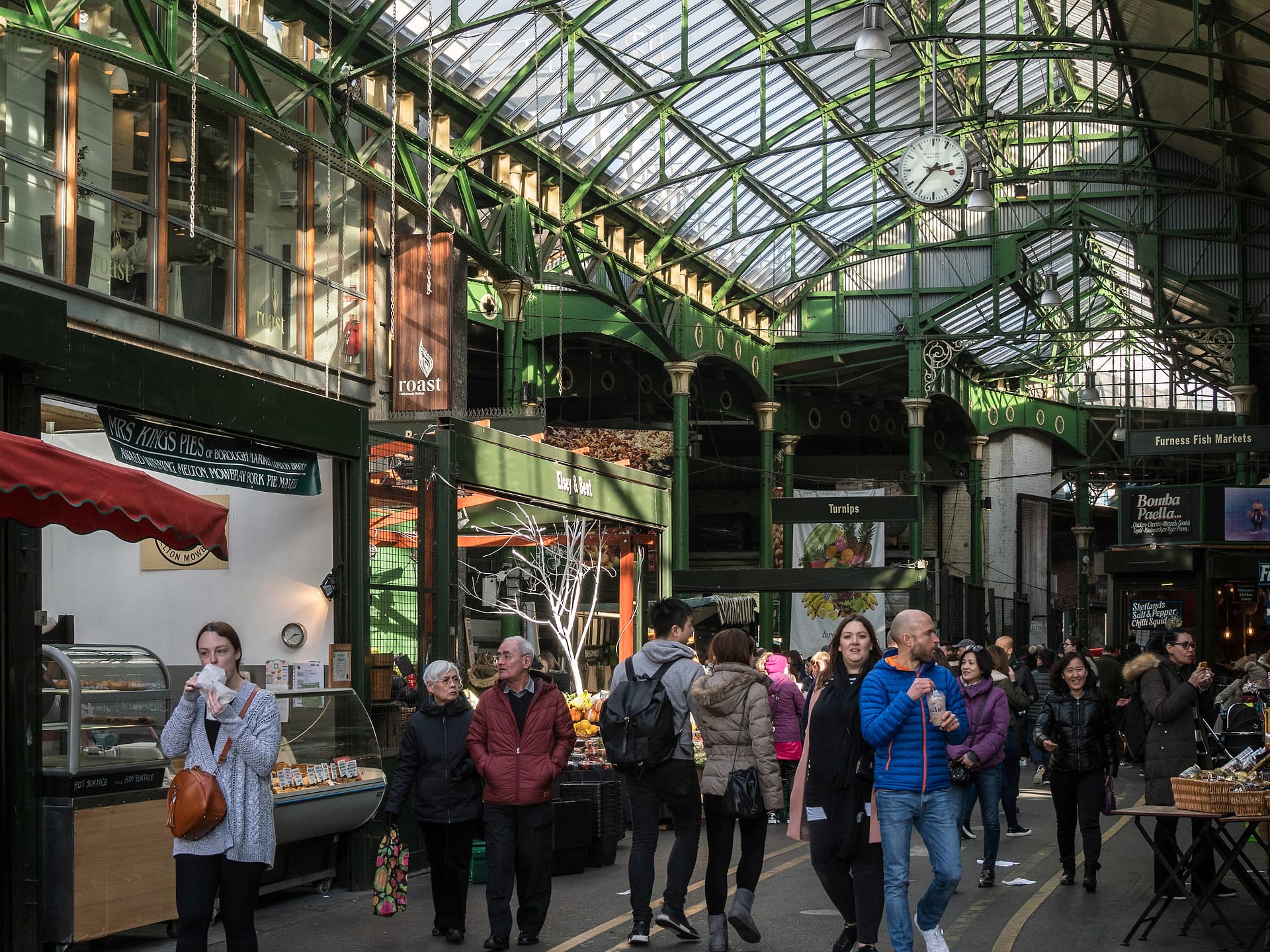
Eat like a local at affordable prices Strategic dining choices reduce food costs substantially without sacrificing quality. Supermarket chains including Tesco, Sainsbury's, and M&S offer affordable prepared meals, sandwiches, and snacks ranging £3-8 for lunch. Borough Market and street food vendors provide filling meals for £8-15, while traditional pub food and casual restaurants serve quality meals for £12-25 per person. Avoid tourist-heavy areas around major landmarks where prices escalate 30-50% above neighborhood establishments.
Download TfL Go app before arrival
The Transport for London official app eliminates confusion about public transport navigation. The app provides real-time journey planning, shows which lines face delays or closures, displays your current Oyster card balance, and helps calculate the most efficient routes and estimated travel times. This free application transforms your transportation experience and prevents costly detours from missed connections.
Respect queue culture and politeness customs
Queue formation ("standing in line") represents a sacred British cultural practice that must never be violated—cutting queues provokes genuine anger from even typically reserved Londoners. When unsure if people are waiting, ask "Are you in the queue?" The words "please," "thank you," and "sorry" permeate British interactions far more than in American communication. These politeness markers smooth social interactions and demonstrate respect for shared public space.
Check public holiday closures and reduced hours
Easter and Christmas periods bring significantly reduced public transport schedules, shop closures, and museum hour reductions. Many museums operate reduced hours or close entirely on certain holidays. Banks close completely on bank holidays. Plan major sightseeing around these disruptions, and check individual attraction websites before visiting to confirm operating hours during your specific travel dates.
Culture & Customs
London's culture reflects a sophisticated blend of deeply rooted British traditions and contemporary cosmopolitan values. Politeness and courtesy form the bedrock of British social interaction, extending beyond mere formality into genuine social lubricant enabling millions of diverse people to coexist harmoniously in dense urban environment. Words like "please," "thank you," and "sorry" appear constantly in everyday transactions, with "sorry" serving not merely as apology but as acknowledgment of shared space, request for attention, or simple social smoothing. Queuing represents perhaps the most sacred British cultural practice—maintaining orderly lines at bus stops, shops, and venues constitutes fundamental social contract signaling respect for fairness that Londoners violate only at risk of genuine social disapproval.
Pub culture encapsulates British social life, functioning as community gathering spaces where locals socialize, debate, celebrate, and maintain neighborhood bonds across social classes. Buying rounds—taking turns purchasing complete rounds of drinks for everyone in the group—establishes reciprocity and group bonding. The practice strengthens social bonds through reciprocal generosity while creating expectations that each participant will eventually buy their round. Pub closing time comes with warning bells 15-20 minutes before actual closure, allowing patrons to finish drinks and settle bills.
Afternoon tea represents a distinctive British ritual extending beyond simple beverage service into social ceremony steeped in Victorian tradition yet accessible across contemporary society. Traditional afternoon tea includes finger sandwiches (cucumber, egg-and-cress, smoked salmon), scones with clotted cream and jam, selection of cakes and pastries, and various teas, served in specific sequence—savory items first, then scones, finally sweet pastries. British dining etiquette emphasizes formal table manners including keeping elbows off the table, never eating with mouth full, refraining from using mobile phones, and placing knife and fork at 6:30 position on plate when finished to signal readiness for course removal. Punctuality carries particular significance in British culture—even five-minute lateness constitutes rudeness in formal settings.
British communication style emphasizes understatement, irony, and politeness markers rather than direct expression, a pattern that can confuse visitors accustomed to straightforward American communication. The phrase "quite good" actually means excellent, while "interesting" often signals disagreement. Indirect communication creates social smoothness in anonymous urban environments where maintaining harmony outweighs direct confrontation. Londoners identify strongly with their neighborhoods and local areas rather than city-wide allegiance, with residents maintaining fierce pride in neighborhood shops, pubs, restaurants, and distinctive character. Markets including Borough Market, Borough Market, Columbia Road Flower Market, and Portobello Road showcase local character and community gathering beyond simple commerce.
What to Eat
London's food scene represents a remarkable culinary landscape reflecting its role as global city with nearly 270 nationalities among its residents. Authentic British cuisine emphasizing quality ingredients prepared simply remains the foundation of London's dining culture. Fish and chips represents the quintessential British dish, with The George Pub on the Strand serving widely recognized as among London's finest examples, featuring perfectly battered fresh fish paired with proper chip accompaniments. Traditional British restaurants including Rules (London's oldest restaurant), St. JOHN (famous for nose-to-tail dining), and The Harwood Arms (London's only Michelin-starred pub) showcase elevated preparations of British classics. Sunday roasts featuring expertly cooked proteins with seasonal vegetables, crispy roasted potatoes, and rich gravy remain cherished tradition found in virtually every pub and many restaurants. Salt beef bagels from Beigel Bake on Brick Lane represent another iconic London specialty, offering thick-cut salt beef on fresh bagels, deeply woven into the city's cultural fabric.
London's international dining options span virtually every cuisine imaginable, reflecting its extraordinary diversity. Curry houses represent a crucial cultural institution, with Tayyabs serving beloved vegetarian tinda masala since 1972, while Naroon provides exceptional Persian cuisine featuring aromatic saffron, pomegranate molasses, and barberries. Georgian restaurants including Little Georgia showcase underrated cuisine combining Italian and Turkish influences with traditional khachapuri (cheese-filled bread) and khinkali (handheld meat dumplings). Borough Market functions as culinary destination offering everything from fresh produce to prepared foods representing multiple cuisines, attracting food enthusiasts from across London. Afternoon tea experiences range from tourist-focused hotels to authentic establishments, with traditional service featuring carefully arranged finger sandwiches, fresh-baked scones with clotted cream and jam, elegant pastries, and superior tea selections. West End restaurants and fine dining establishments throughout London accommodate every budget level, from casual neighborhood spots to Michelin-starred restaurants commanding premium prices.
Safety
London ranks as a safe city by global standards, with more than 20 million visitors annually experiencing largely trouble-free visits. Violent crime incidents affecting visitors remain rare, and most trips pass without any major issues, though petty crime represents the primary concern for travelers. The Metropolitan Police maintain extensive presence throughout the city, particularly in tourist-heavy areas including Westminster, Camden, and Southwark, where major landmarks and high foot traffic naturally attract increased policing and security measures.
The most common crimes affecting tourists involve non-violent offenses including pickpocketing, phone snatching by thieves on electric bikes, and opportunistic theft from unattended bags rather than direct confrontation. These crimes of opportunity concentrate in crowded public spaces and public transportation during peak hours. Strategic precautions substantially reduce risk: keeping bags in sight and zipped, avoiding displays of expensive items including jewelry and high-end phones, and maintaining awareness of surroundings during crowded periods. London's nightlife generally maintains a safe atmosphere even in entertainment districts, though sensible drinking habits and choosing well-known venues remain advisable, particularly for solo travelers. The city invests heavily in community policing, public surveillance, and smart city infrastructure ensuring visitors rarely lack nearby assistance. The Underground, buses, and other public transport undergo continuous policing and monitoring, making them safe options throughout operational hours.
How to Get Around London
London's integrated public transport system ranks among the world's most comprehensive and user-friendly, making car rental unnecessary for visitors. The Underground (the "Tube") provides the quickest and easiest way to navigate central London, with 11 color-coded lines operating 272 stations across the city. Trains typically arrive every 2-5 minutes during daytime hours, and the network covers most major attractions and neighborhoods. The newly opened Elizabeth Line stretches over 100 kilometers from Reading and Heathrow in the west through central London to Shenfield in the east, providing an alternative high-speed connection to airports and areas beyond traditional Tube network.
Red London buses provide a scenic alternative to underground travel, offering front-row views of the city's streets and neighborhoods. Buses cover nearly 700 routes with over 19,000 stops throughout the capital, reaching areas not served by the Underground. The Docklands Light Railway (DLR) operates a driverless system serving east and southeast London, while London Overground connects six routes serving many peripheral areas. Walking represents an often-overlooked transportation method—many central London neighborhoods cluster within reasonable walking distance, and the actual geography differs significantly from the iconic Underground map, meaning some destinations can reach faster by walking than waiting for Tube connections.
Payment through Oyster card or contactless credit card provides the most economical and convenient approach. Both methods automatically apply daily price caps (£8.50 for Zones 1-2, making unlimited travel more cost-effective than calculating individual fares). Taxis operate throughout London but cost substantially more than public transport—use them for late-night travel when public transport becomes limited or when arriving with heavy luggage at airports. Santander Cycles (London's bike-sharing system) offers an enjoyable way to explore during pleasant weather, with hundreds of docking stations throughout central London.
Entry & Exit Requirements
United States citizens require an Electronic Travel Authorisation (ETA) to travel to or transit through the United Kingdom as of February 25, 2026. The ETA system represents part of the UK Home Office's digitization initiative and operates similarly to the American ESTA system. US citizens without a UK visa, British or Irish passport, or legal residency status in the UK must apply for an ETA before traveling. Although a grace period runs through February 25, 2026, airlines will refuse boarding to any passengers lacking approved ETAs after this deadline, making advance application essential.
The ETA application process requires submission of biometric and contact details, answers to questions regarding suitability and criminal history, and costs a minimal fee. Processing typically occurs within minutes, though applications may be delayed in unusual circumstances. Visa-free travel for Americans to the UK officially ends with ETA implementation, though the authorisation process remains simple and does not involve visiting an embassy or consulate. Valid US passports required for application should maintain at least six months' validity beyond intended travel dates. Americans transiting through UK airports, where they pass through border control, must also obtain an ETA, even if merely connecting flights. To learn more and apply for an ETA, visit the UK government website.