

Cannes, perched along the glittering Mediterranean coast of France's Côte d'Azur, represents the quintessential glamour and sophistication that defines the French Riviera. This enchanting resort city effortlessly blends cinematic prestige with authentic Provençal charm, attracting travelers seeking sun-soaked beaches, world-class dining, and access to one of Europe's most storied cultural calendars.
From the legendary red carpet of the Cannes Film Festival to the intimate cobblestone streets of Le Suquet's medieval quarter, this destination offers diverse experiences for luxury seekers, cultural enthusiasts, budget travelers, and families alike. Whether you're drawn by the allure of celebrity sightings, the promise of Michelin-starred cuisine, or the simple pleasure of Mediterranean sunshine, Cannes rewards thoughtful planning with unforgettable memories. This guide equips you with everything needed to navigate, experience, and maximize your time in this jewel of southern France.
About Cannes
Cannes is a glamorous seaside resort city located on France's famous Côte d'Azur (French Riviera) in the Alpes-Maritimes department. With a population of approximately 75,000, this Mediterranean pearl has evolved from its humble beginnings as a small fishing port into one of the world's most prestigious luxury destinations. The city's transformation began in the 1860s when British nobility discovered its mild winter climate and stunning coastal beauty, establishing it as a fashionable winter retreat that eventually became a year-round destination.
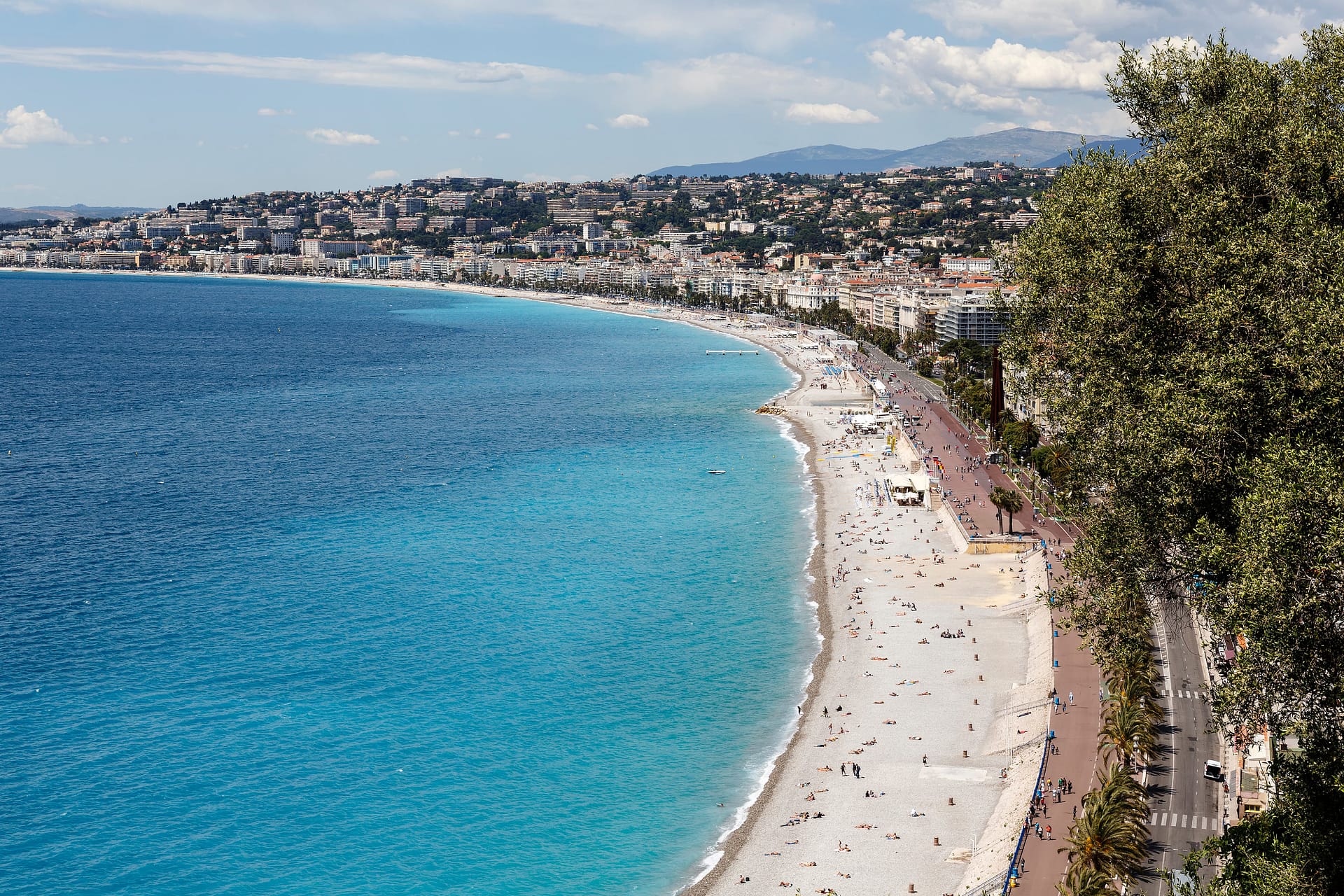
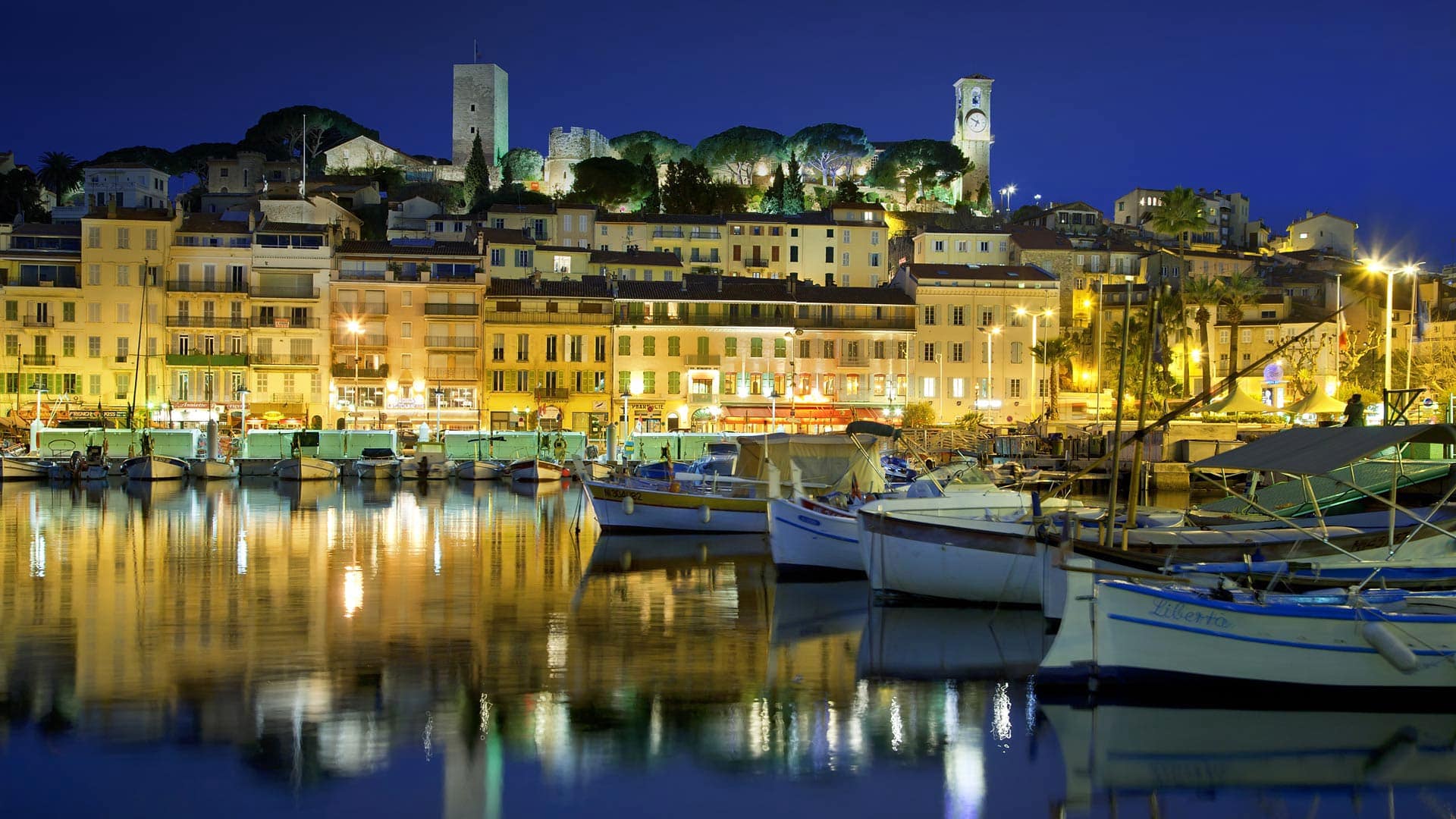
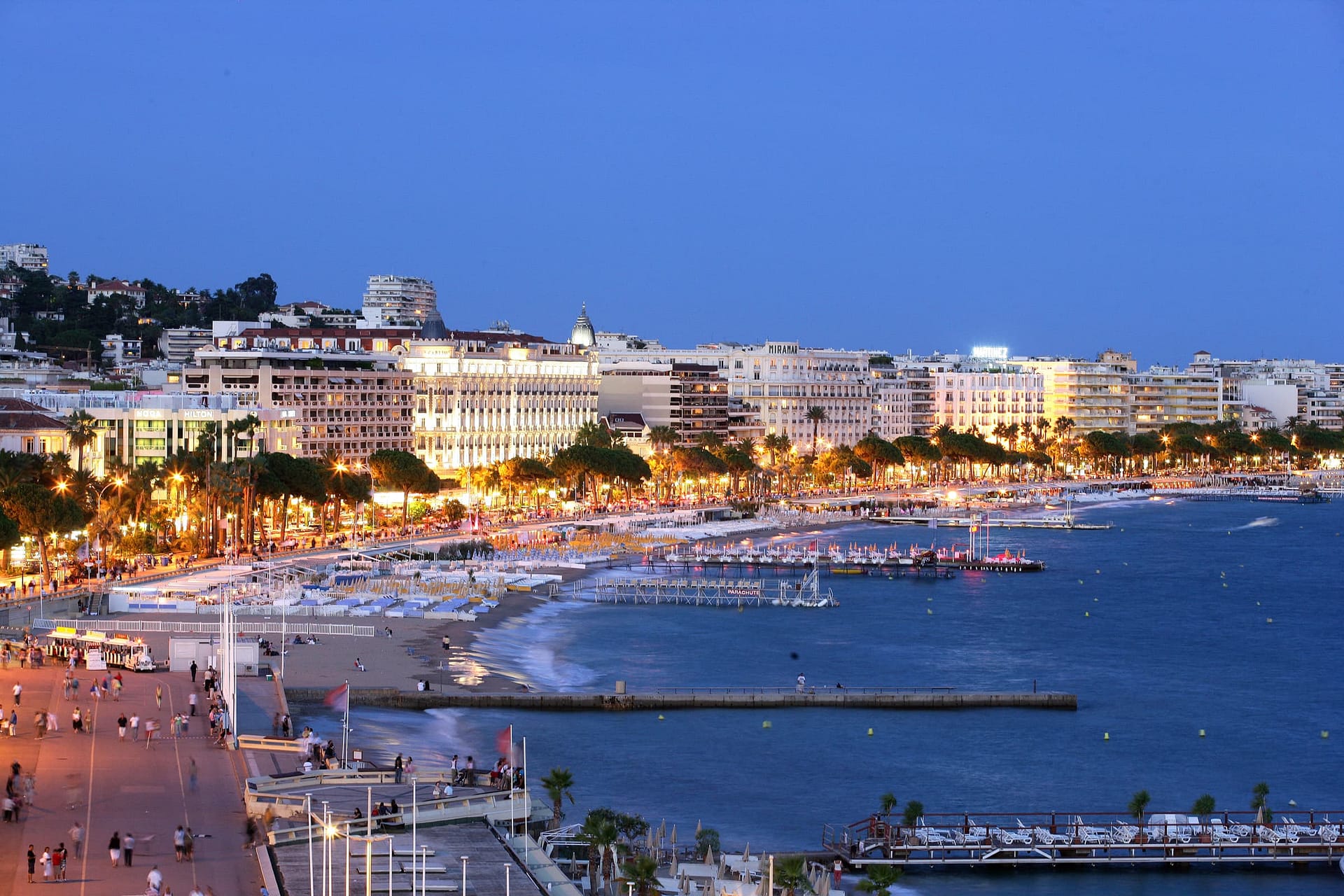
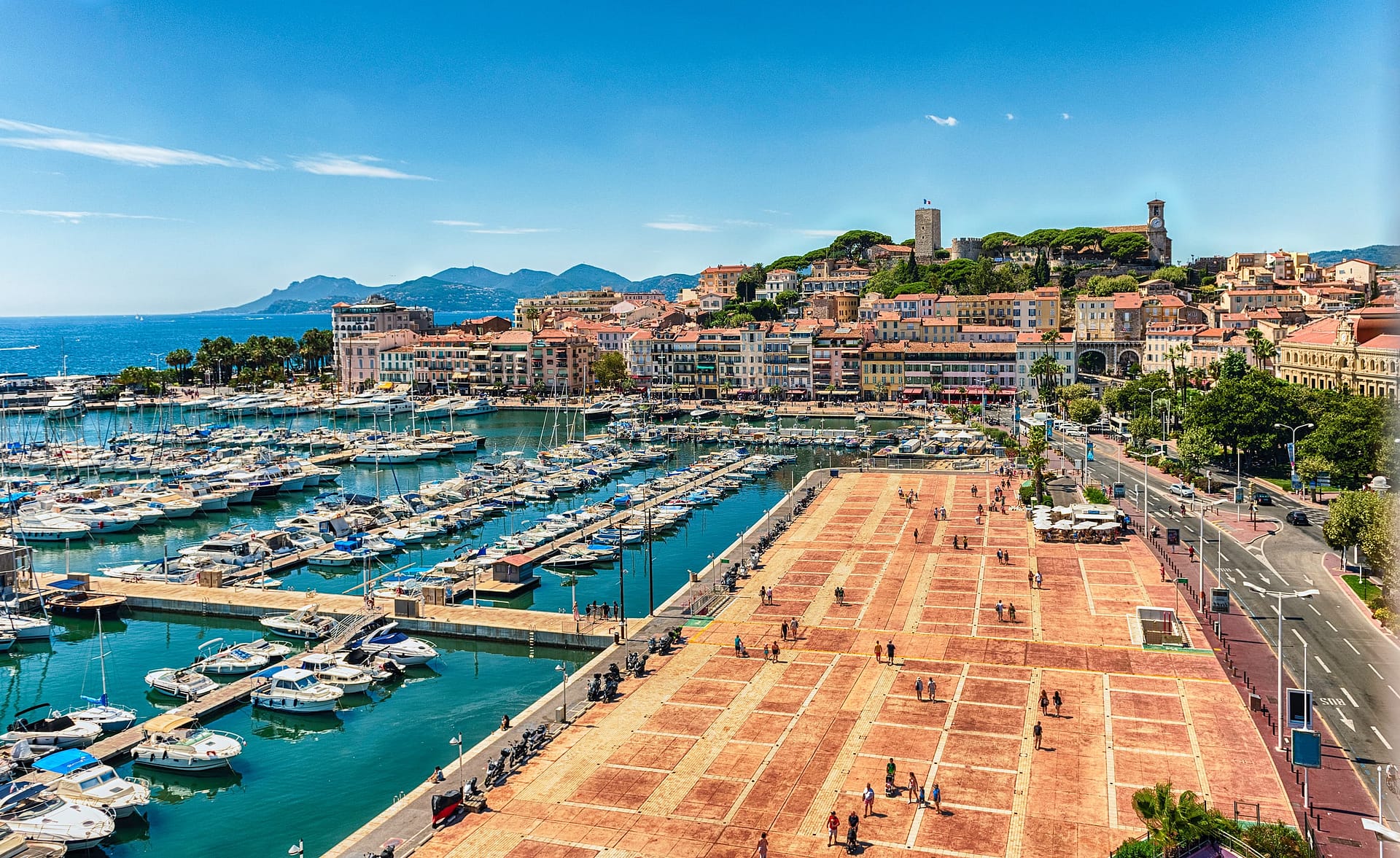
The city's identity is intrinsically linked to the Cannes Film Festival, the 12-day prestigious cinematic event held annually in May that attracts celebrities, directors, and film enthusiasts from around the globe. However, Cannes is far more than its famous festival. The city's charm lies in its distinctive character—a blend of historical depth, modern luxury, and authentic local culture. The historic Le Suquet district represents Cannes' original heart, featuring medieval architecture and narrow cobblestone streets that date back centuries, while the modern Promenade de la Croisette (Boulevard de la Croisette) exemplifies contemporary elegance with its palm-lined waterfront, luxury hotels, designer boutiques, and sandy beaches.
Why Go to Cannes
Cannes appeals to diverse traveler types, each finding unique value in this multifaceted destination. The city offers extraordinary beaches with soft sand—a rarity on the French Riviera where many beaches are pebbly—providing perfect settings for sun-soaking and Mediterranean swimming. The Promenade de la Croisette is an iconic waterfront boulevard comparable to Fifth Avenue in New York or the Champs-Élysées in Paris, lined with world-renowned luxury brands and five-star hotels that create an atmosphere of unparalleled glamour.
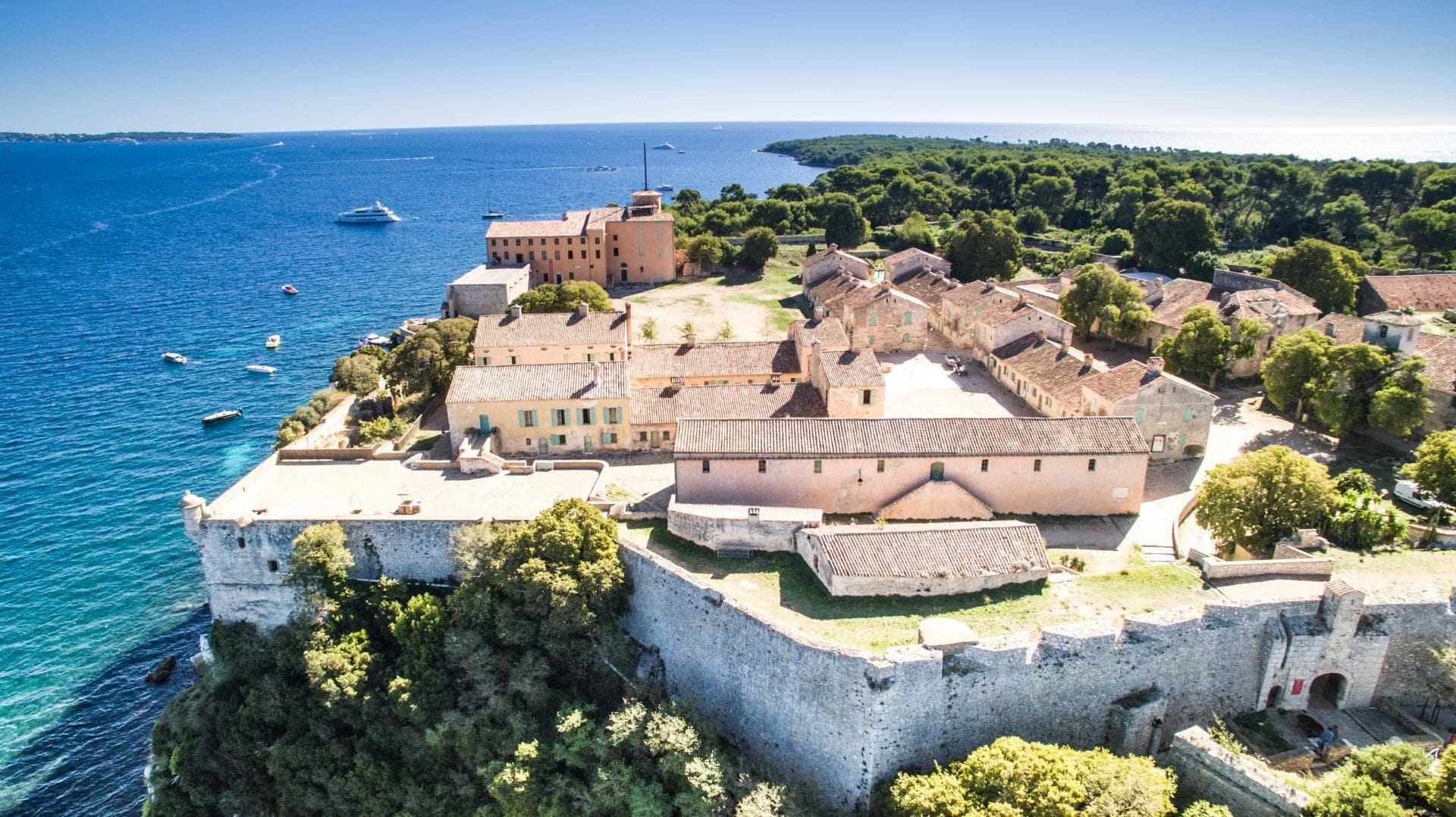
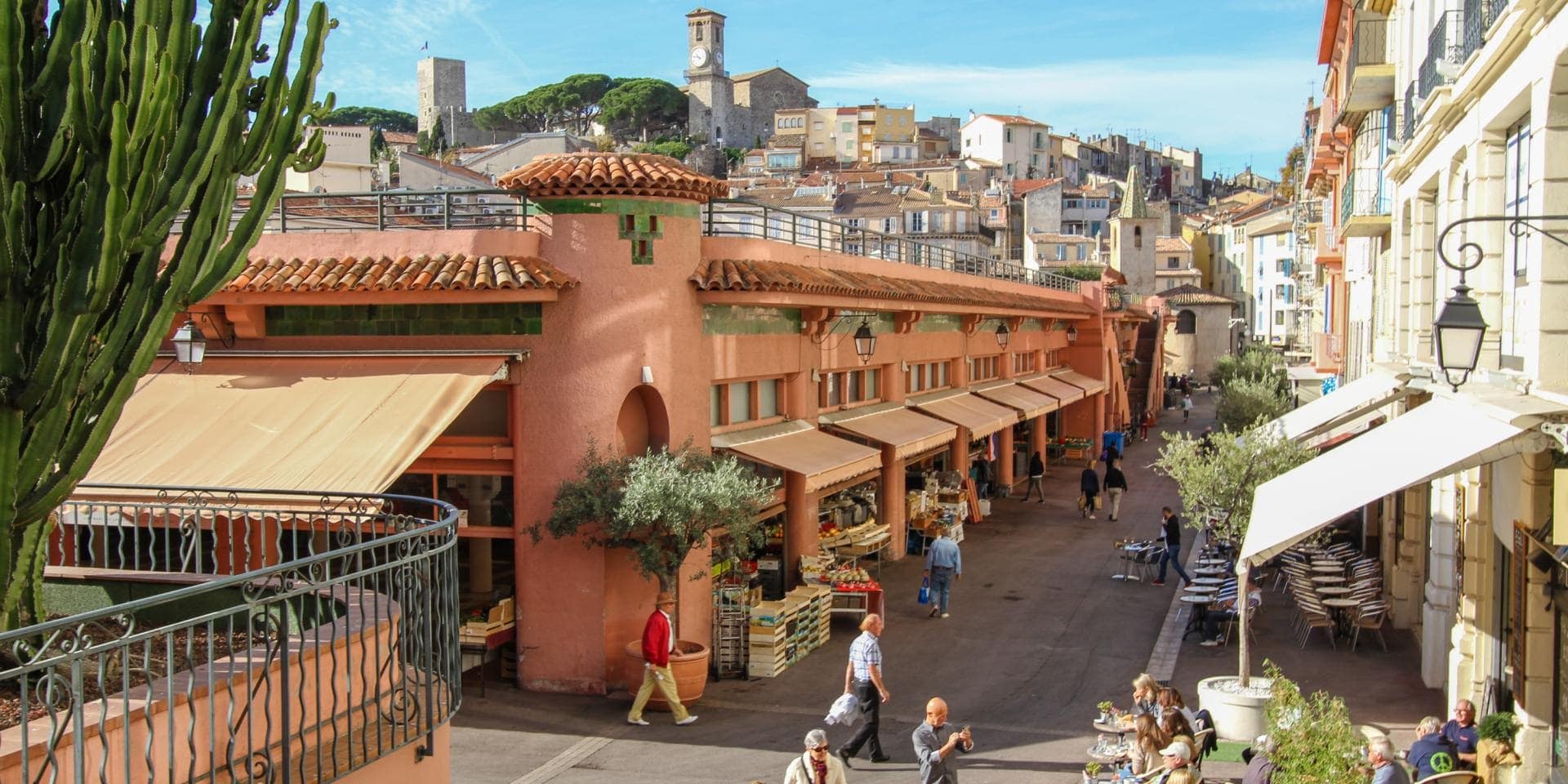
Beyond the glitz, Cannes provides authentic cultural experiences rooted in Provence's rich heritage. The local food scene celebrates Mediterranean and Provençal traditions through bustling markets like Marché Forville and restaurants serving everything from casual bistros to Michelin-starred establishments. History enthusiasts will appreciate Le Suquet's layered past—Roman settlements, medieval fortifications, and centuries-old fishing communities have shaped this atmospheric neighborhood where narrow lanes invite exploration and discovery. The city's strategic coastal location makes it an excellent base for exploring the broader French Riviera, with easy train access to nearby destinations including Nice, Antibes, and Monaco. For film lovers, visiting during or outside the festival season allows you to walk the red carpet at the Palais des Festivals and visit the Avenue of Stars (Les Allées des Étoiles) featuring palm prints of world-famous celebrities.
Best of Cannes
Best Hotels in Cannes

Best Things to Do in Cannes

Cannes Travel Tips
Best Time to Go
Selecting the ideal season for a Cannes visit depends on personal priorities regarding weather, crowds, costs, and cultural events.
Spring (mid-April to mid-June) consistently ranks as the optimal period for most travelers. Temperatures range from 55°F (13°C) in March to 70°F (21°C) in May, and the city experiences a refreshing transformation as vegetation blooms and daylight extends to approximately 14 hours daily. The weather remains dry and sunny without summer's oppressive heat, creating ideal conditions for exploring Le Suquet, strolling La Croisette, and enjoying meals at waterfront venues. Notably, May hosts both the prestigious Cannes Film Festival (May 13-24, 2025; May 12-23, 2026) and the professional Marché du Film (film market), making this month particularly vibrant with international energy, though accommodations command premium pricing.
Summer (June to August) brings peak season conditions, with temperatures soaring from 75°F (24°C) in June to 85°F (29°C) in August, accompanied by long daylight extending to 15+ hours. The Mediterranean reaches a comfortable 24°C (75°F) for swimming, and the Cannes Lions International Festival of Creativity (June 22-26, 2026) attracts global advertising and marketing leaders. This period maximizes beach enjoyment and enables full participation in water sports and island excursions. However, summer crowds reach their zenith, hotel rates spike significantly, and the intense heat and humidity may deter those unaccustomed to Mediterranean summers.
September emerges as an underrated gem, often referred to as the "second summer." September delivers pleasant temperatures averaging 79°F (26°C) with substantially reduced tourist volumes, lower accommodation costs, and the September Cannes Yachting Festival (8-13 September, 2026). Sea temperatures remain warm around 72°F (22°C), enabling comfortable swimming. This window combines many summer advantages with fewer downsides, making it particularly attractive for travelers seeking authentic experiences and value.
Autumn (October-November) maintains mild conditions with temperatures gradually declining from 63°F (17°C) to 50s°F by late autumn. However, October and November experience increased rainfall and reduced sunshine hours, partially offsetting the appeal of lower prices and manageable crowds.
Winter (December-February) characterizes the destination's quietest season, with temperatures averaging 14.6°C (approximately 55-60°F) and occasional cold snaps and rain. While some travelers appreciate the peaceful atmosphere and significantly reduced costs, limited sunshine (approximately 4.5 hours daily) and unpredictable weather limit outdoor activities and beach access.
May and September offer the optimal balance of favorable weather (sun without excessive heat), manageable crowds relative to peak season, cultural events of international significance, and reasonable to moderate accommodation pricing. May provides unmatched cinematic and cultural energy, while September rewards visitors seeking serene experiences combined with summer-like conditions.
Weather in Cannes
How to Save Money in Cannes
Book early & travel off-season Reserve accommodations and flights several months in advance to access better rates. The city's high season peaks during the Cannes Film Festival (May), summer months, and December holidays. Travel during shoulder seasons (March-April, September-November) when hotel rates drop significantly and restaurants offer better deals without sacrificing weather quality.
Use public transportation instead of taxis The efficient and affordable Palm Bus network connects all major areas of Cannes with single tickets costing around €1.80, daily passes at €4.60, and 3-day passes at €9.20. Regional trains run frequently between Cannes and nearby destinations, costing significantly less than taxis or car rentals. The train from Nice airport reaches Cannes in approximately 30 minutes, costing a fraction of taxi fares (€88 maximum from airport to Palais des Festivals).
Shop like locals at markets Visit Marché Forville and local morning markets where residents purchase fresh produce, artisanal cheeses, and daily essentials at non-touristy prices far below restaurant costs. You'll find crusty French breads still warm from ovens, local cheeses, seasonal vegetables, and Mediterranean specialties that allow you to experience authentic French cuisine affordably. Building picnic meals from market ingredients provides excellent quality at 30-50% less than dining establishments.
Plan your accommodation strategically
Stay centrally near La Croisette or in Le Suquet to minimize transportation costs and maximize walkability—Cannes is highly pedestrian-friendly in its core areas. While central locations may have higher room rates, the savings on transportation and walking time often offset the accommodation cost. The historic Hotel Splendid offers budget-friendly family-owned accommodations in a prime location with advance booking.
Pack comfortable walking shoes
Cannes requires substantial walking to fully experience attractions, particularly in Le Suquet where cobblestone streets and inclines demand good footwear. The Croisette promenade stretches 3 kilometers and best rewards leisurely strolling. Most of the city center is pedestrianized, making walking both the most practical and most economical transportation method.
Carry a reusable water bottle
The Mediterranean climate, particularly in summer, necessitates constant hydration. Public water fountains throughout Cannes provide free, potable water, reducing the need for expensive bottled beverages. Staying hydrated is essential for managing the intensity of summer heat and maintaining energy during all-day sightseeing.
Culture & Customs
Cannes embodies French cultural traditions while maintaining distinct Provence regional characteristics. The French approach to life emphasizes leisure, connection, and savoring experiences rather than hurrying through activities—this philosophy is evident in local dining customs where leisurely meals with friends and colleagues are cherished social rituals. Unlike some cultures that view meals simply as fuel, the French tradition includes multi-course dining spanning multiple hours, typically featuring a starter, salad, main course, and cheese or dessert course, accompanied by wine and conversation.
Local customs reflect centuries of tradition: bread is placed directly on the table rather than plates, tipping is not expected since service charges are included in bills, and markets serve as important community gathering spaces where neighbors connect and artisans showcase seasonal produce. The Provençal culture, particularly strong in Cannes, celebrates vibrant regional festivals, artisanal craftsmanship, and Mediterranean flavors. Visitors should embrace the local rhythm of life—lingering over café meals, respecting shop closing times (many close mid-afternoon for lunch), and acknowledging that the pace is deliberately measured and thoughtful rather than rushed. Learning basic French phrases, even if imperfect, shows respect for local culture and often results in warmer interactions with residents. The city's cosmopolitan atmosphere means English is understood in tourist areas, but locals genuinely appreciate visitor efforts to engage with French language and customs.
What to Eat
Cannes celebrates Provençal and Mediterranean cuisine featuring fresh seafood, local produce, and time-honored recipes that reflect the region's agricultural bounty. Bouillabaisse, a traditional fish stew made with local catches like rascasse and monkfish simmered with saffron and herbs, is best enjoyed at seaside restaurants in Le Suquet. Daube provençale is a hearty slow-cooked beef stew marinated in red wine with vegetables, served with polenta or crusty bread, particularly popular in traditional bistros during cooler months. Ratatouille, a vibrant vegetable stew featuring zucchini, eggplant, bell peppers, tomatoes, and herbs, showcases Provence's garden vegetables and appears as both side dishes and light mains throughout the city.
Additional must-try specialties include Pissaladière (a savory onion and anchovy tart), Soupe au Pistou (vegetable soup with basil), Socca (chickpea pancakes popular as street food), Aïoli (steamed vegetables and fish with garlic mayonnaise), and Tapenade (olive spreads). Authentic dining experiences await at Aux Bons Enfants (established 1935, serving traditional French cuisine with standout risotto, veal, and grilled Angus prime rib), Bobo Bistro (retro-styled with seasonal French, Italian, and continental fusion dishes), Astoux et Brun (renowned for fresh seafood), and various establishments along La Croisette and in Le Suquet. Marché Forville provides market-fresh ingredients for creating your own Provençal meals, while casual waterfront cafés offer reasonably-priced options compared to fine dining establishments. The region's rosé wines and Mediterranean whites pair perfectly with local cuisine, and coffee culture—from morning espresso rituals to afternoon café stops—remains central to daily life.
Safety
Cannes is generally a safe city for visitors, though normal urban awareness practices apply. The main shopping streets, harbor area, and Croisette remain well-lit and populated with active evening life, making nighttime exploration of these central areas safe. However, organized crime and property theft are concerns in the broader French Riviera region—the Alpes-Maritimes has experienced crime increases, with break-ins representing the most common incident type (occurring roughly every two minutes across France). The region experiences approximately 8,000 break-ins annually, making property security important for those renting villas or staying in accommodations with valuables.
Petty theft targeting tourists concentrates in crowded areas like Rue d'Antibes and main squares—use crossbody bags worn in front, keep zippers secured, distribute money between multiple locations rather than carrying everything in one wallet, and avoid leaving belongings unattended on chairs while dining outdoors. Street scams occasionally occur near popular attractions; politely decline suspicious approaches (offers to help with photos or petitions) and move toward busy shops or hotels. Smartphones represent high-value targets for theft—never hold devices loosely near road edges, and use maps while standing against walls or inside shops. If consumed alcohol during nightlife, consider taxis rather than walking long distances, as lowered awareness increases vulnerability to opportunistic theft. Most violent crime is rare for tourists who maintain awareness; stick to populated, well-lit areas, avoid unlit parks and quiet neighborhoods late at night, and report any incidents immediately to police or your hotel.
How to Get Around Cannes
Cannes is remarkably walkable, with central areas entirely accessible on foot—a cost-free and often most enjoyable transportation method. The Palm Bus network provides the primary public transportation, comprising 30 urban routes during daytime with frequent service, particularly during peak season. Buses are well-maintained and air-conditioned; single tickets cost €1.80 (€0.90 for city shuttles), daily passes €4.60, and 3-day passes €9.20, with tickets validated upon boarding. The Palm Bus mobile app provides live navigation and real-time schedules. Specialized services include the Palm Imperial (convertible buses along the Croisette, €1.80 per ride), City Palm shuttle for central areas (€0.90), and the Suquet shuttle connecting the historic district.
Cannes Train Station, centrally located near the Palais des Festivals, provides frequent rail service to Nice, Antibes, Monaco, Marseille, and Paris, with connections throughout the Riviera. Regional trains offer both convenience and affordability for exploring beyond Cannes' city limits. Taxis are available at hotels, the Palais des Festivals, train station, and casino, with the maximum prefectural fare from Nice-Cannes Airport to the Palais des Festivals set at €88. While car rentals offer flexibility, they're expensive and unnecessary given Cannes' excellent walkability and public transportation. Alternative options include bicycle rentals, electric scooters, and Segways for exploring the waterfront and nearby areas at your own pace.
Entry & Exit Requirements
United States citizens can travel to France visa-free for up to 90 days for tourism, business, or transit purposes. However, starting November 2026, American travelers will be required to register online for ETIAS (European Travel Information and Authorization System), a pre-travel authorization electronically linked to your passport. ETIAS is not a visa but rather a streamlined security authorization system—applications are processed entirely online within minutes (though decisions may take up to 14 days in some cases), requiring a valid passport with at least three months validity beyond your departure date, email address, debit/credit card for the current €7 fee, travel itinerary details, and answers to security questions.
Once approved, ETIAS permits multiple entries across 29 Schengen countries for three years or until your passport expires, whichever comes first. Additionally, the Entry/Exit System (ESS) with biometric enrollment (digital fingerprints and facial photograph) is being implemented through April 2026, though this occurs at border entry, not in advance. Your passport should have at least three months of validity beyond your departure date, and traveling with a valid passport is essential for all international transport. No visa interview or embassy appointment is required for ETIAS approval, making the process significantly streamlined compared to traditional visa applications. For more information, visit the U.S. Department of State website.