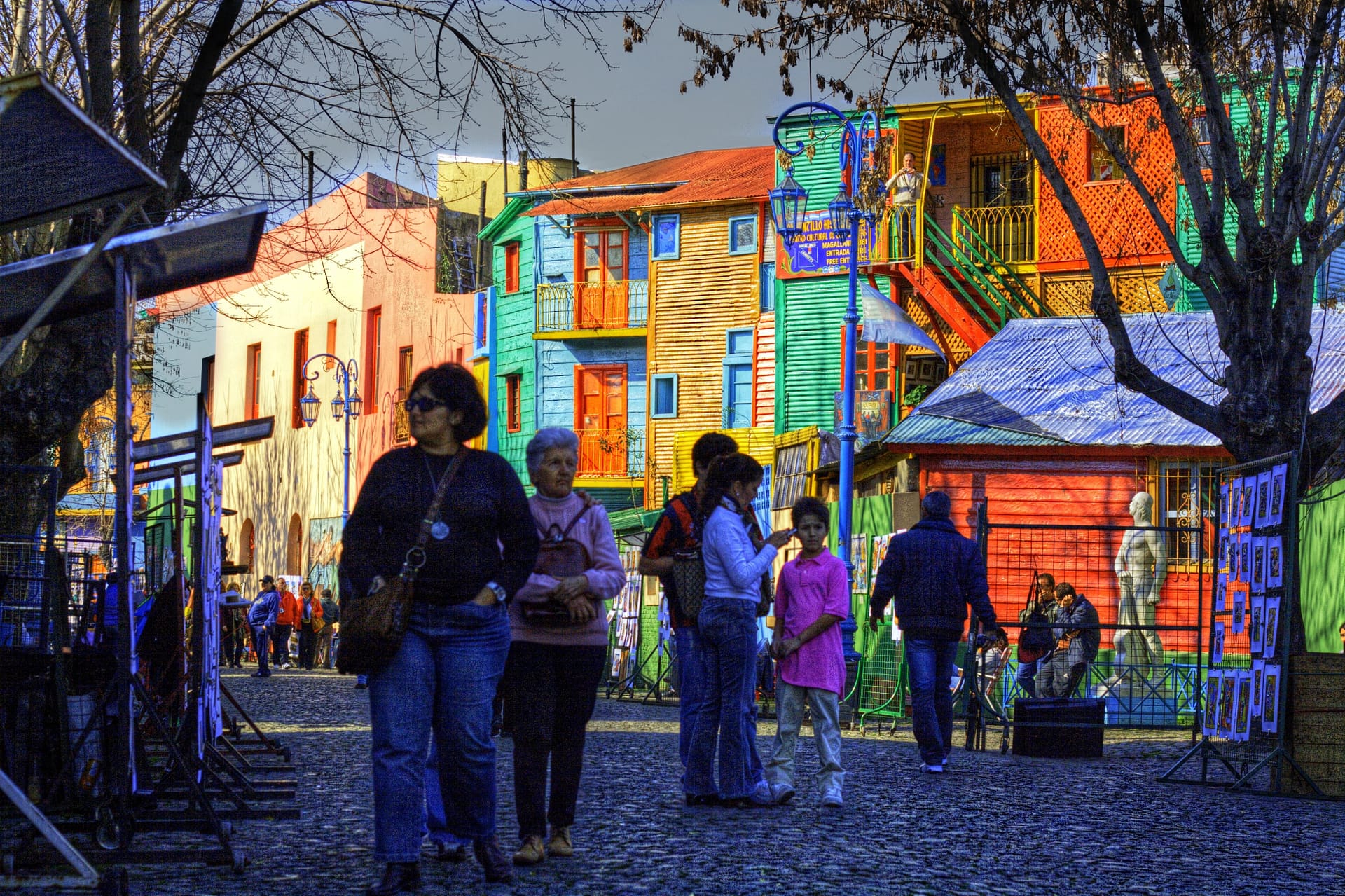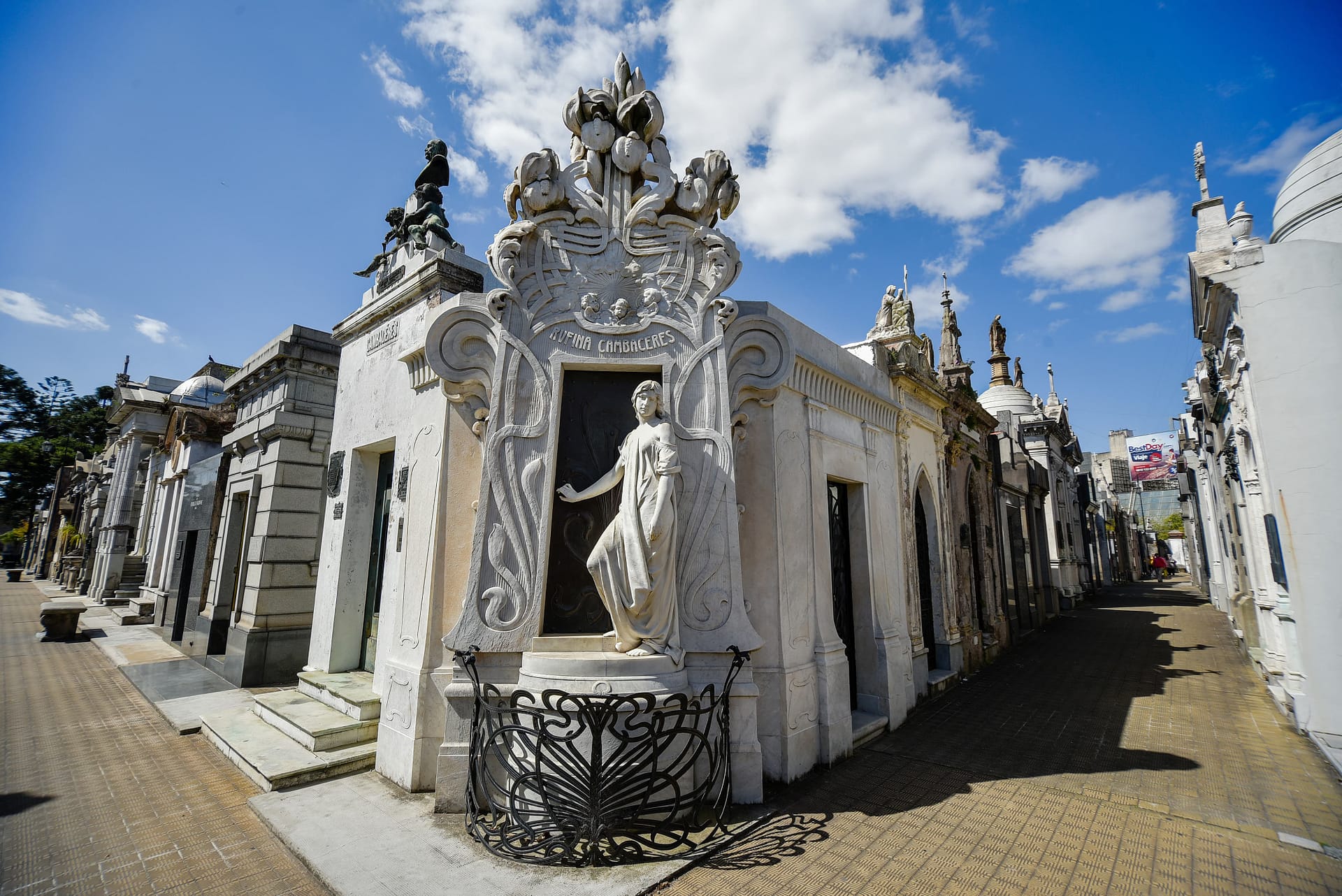


Buenos Aires, the "Paris of South America," is a city that captivates with its intoxicating blend of European elegance and Latin passion. From the passionate embrace of tango to the sizzle of world-class asados, from bohemian cobblestone streets to grand Belle Époque theaters, Buenos Aires is a destination that goes far beyond typical tourism. This enchanting capital of Argentina pulses with intellectual vitality, boasting more theaters than Paris, 380 bookstores, and 160 museums.
Whether you're sipping espresso in a century-old café, watching street performers in La Boca's colorful streets, or losing yourself in the romantic rhythms of tango, Buenos Aires invites you to experience a city shaped by immigration, literature, politics, and art. With affordable costs, vibrant neighborhoods to explore, amazing stays, and a culture that feels lived rather than performed, Buenos Aires offers the kind of travel experience that lingers long after you've returned home.
About Buenos Aires
Buenos Aires is the capital and largest city of Argentina, located on the eastern shore of the Río de la Plata estuary. This sophisticated metropolis of nearly 3 million people (with over 13 million in the metropolitan area) is the political, economic, and cultural heart of Argentina. Known as the "Capital Federal," the city has a rich and complex history shaped by Spanish colonization, waves of European immigration from Italy, Spain, France, and beyond, and African influences. This multicultural heritage created a unique cosmopolitan identity that permeates everything from architecture to cuisine to the language itself, which includes the distinctive Porteño accent and lunfardo slang.
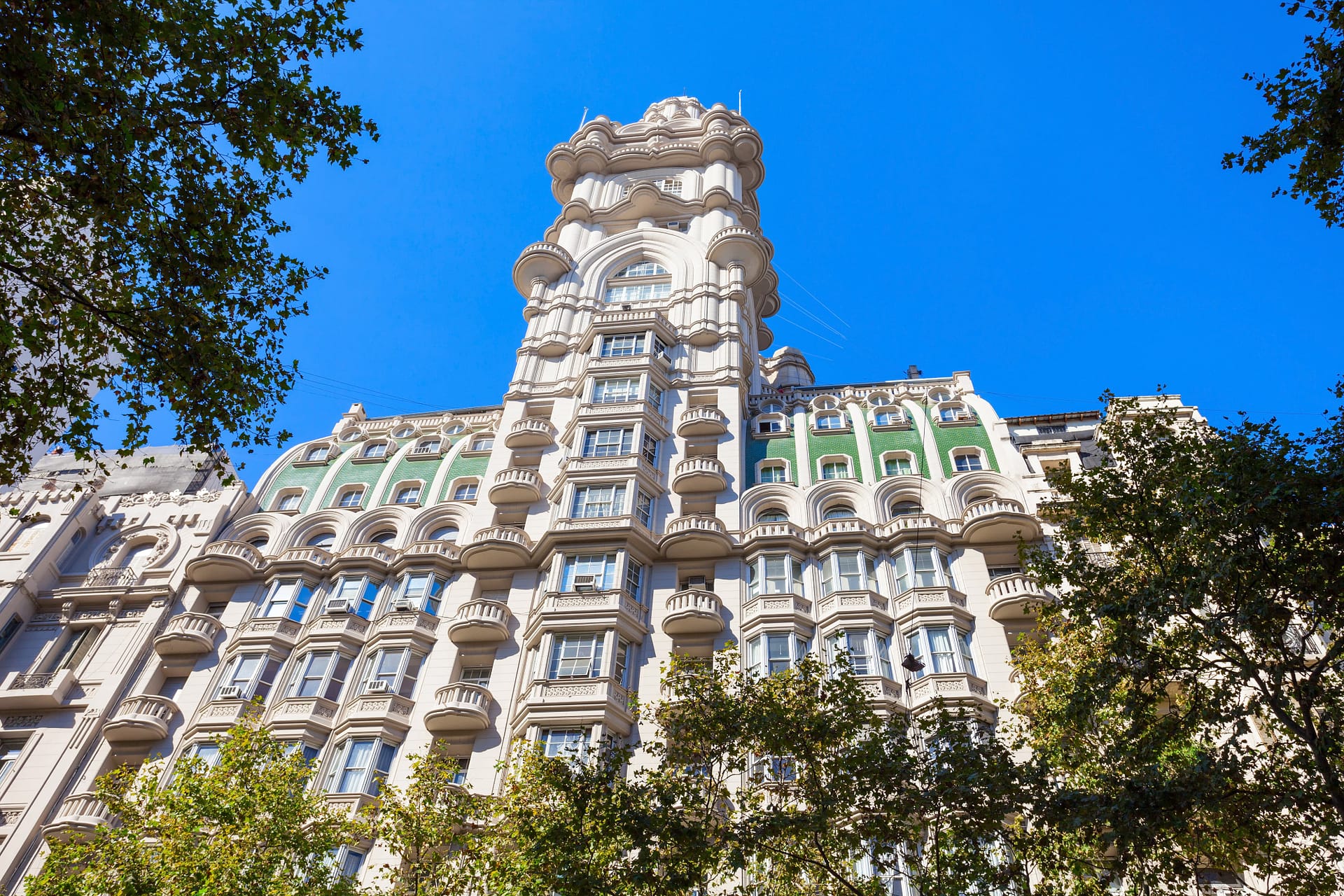
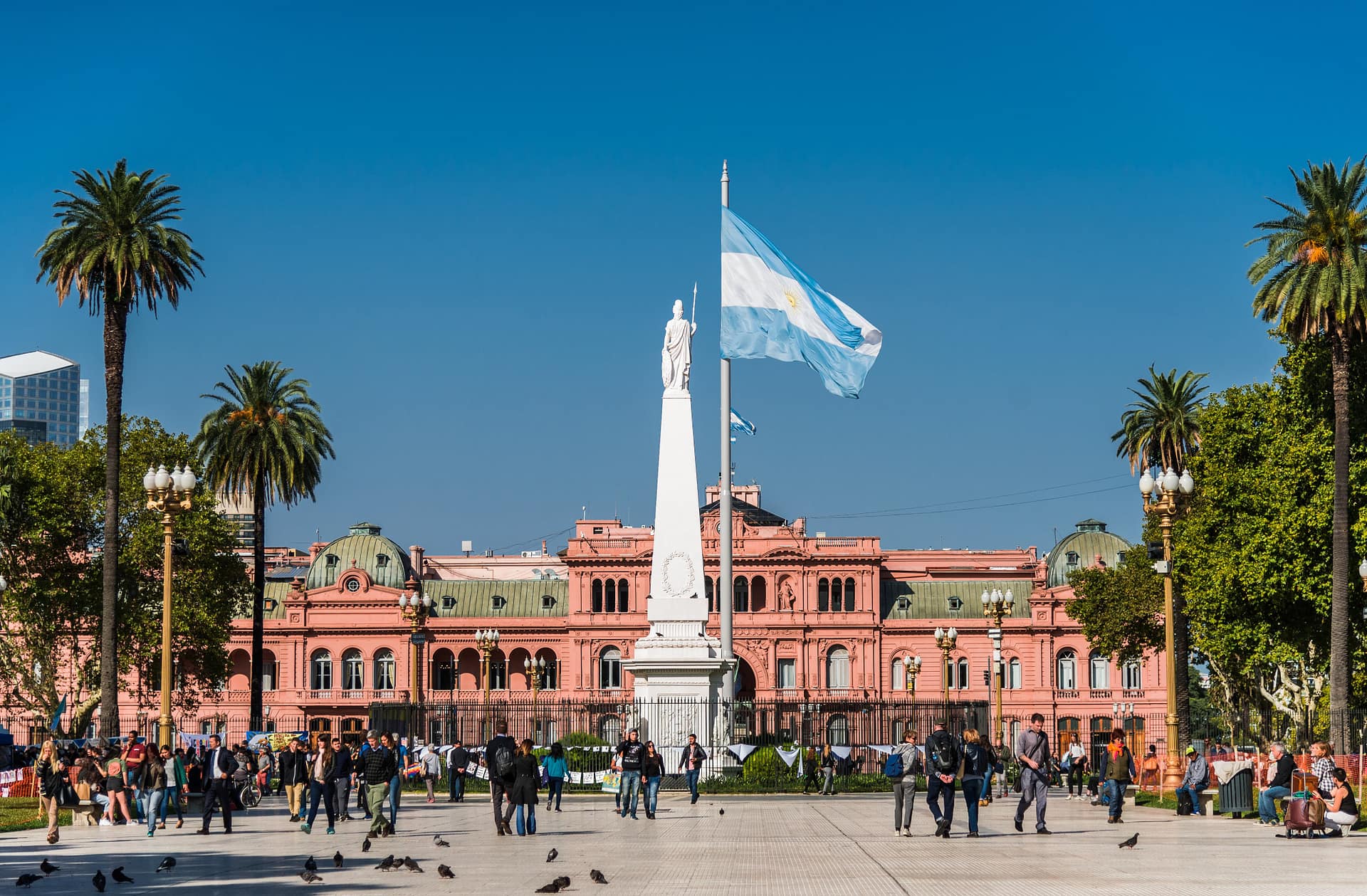
The city's striking architecture reflects its history: grand Belle Époque buildings stand alongside colonial structures, European-style boulevards, and modern developments. Buenos Aires is famously organized into 48 neighborhoods, each with distinct character and charm. The city is recognized internationally for its cultural significance, with UNESCO designating tango as an Intangible Cultural Heritage of Humanity. From the political symbolism of Plaza de Mayo to the artistic treasures in its museums and galleries, Buenos Aires is fundamentally a city of culture, where bookstores double as gathering places and every corner tells a story.
Why Go to Buenos Aires
Buenos Aires offers a rare combination of sophisticated culture, world-class dining, and authentic local experiences that few cities in the world can match. The city is the undisputed tango capital—home to the dance's origins and countless venues where you can experience this sensual, emotionally charged art form. For food lovers, Buenos Aires is paradise: the city produces some of the world's finest beef, paired with exceptional Argentine wines from regions like Mendoza. The cultural scene is unmatched, with over 300 theater spaces, 160 museums, and countless galleries showcasing everything from pre-Columbian artifacts to contemporary installations.
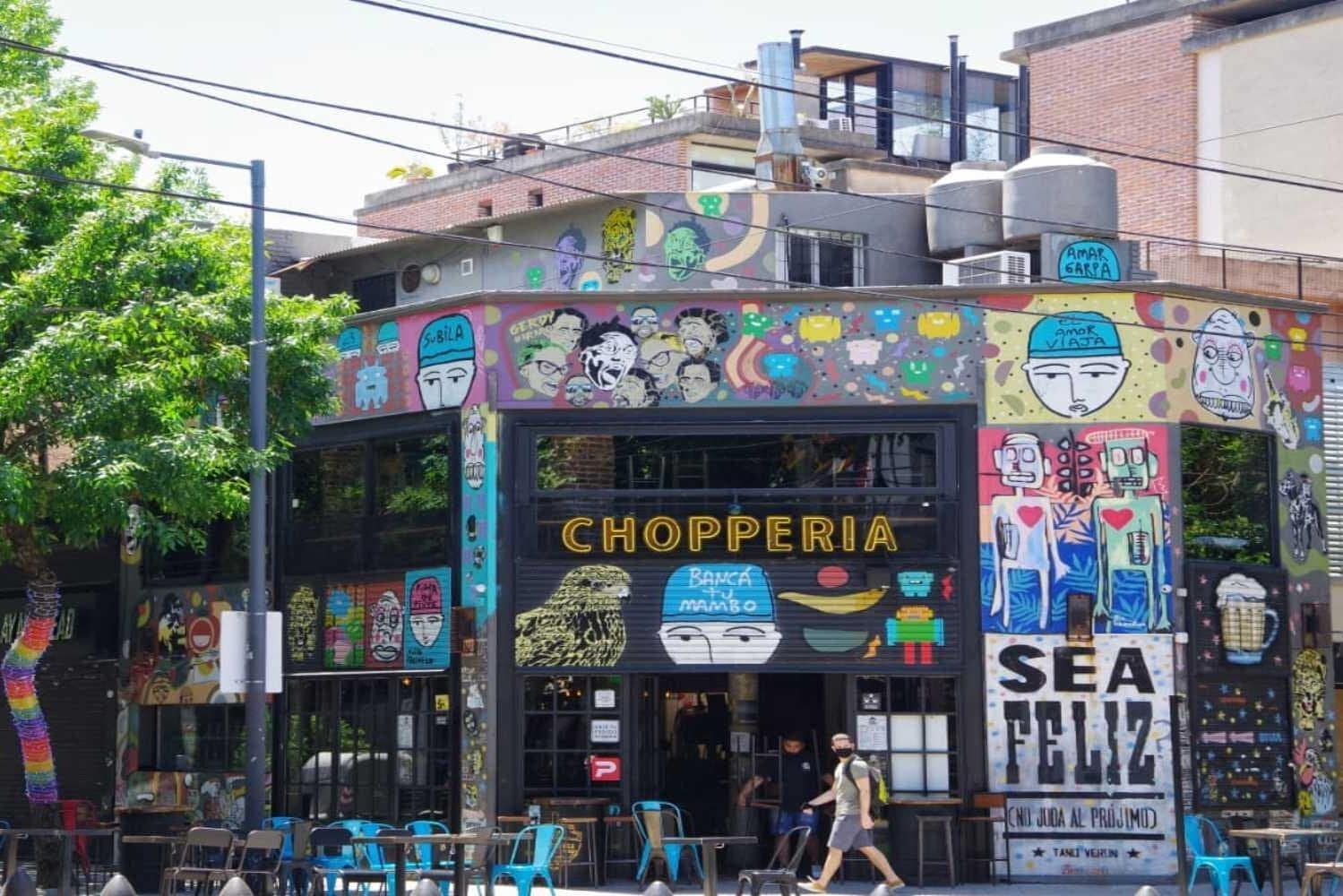
Beyond its famous attractions, Buenos Aires rewards explorers with leafy neighborhoods filled with hidden cafés, vibrant street art, sophisticated boutiques, and a nightlife scene that doesn't end until dawn. The combination of walkable neighborhoods, affordable dining and entertainment, and genuinely warm porteños (Buenos Aires residents) creates an atmosphere where visitors quickly feel at home, often extending planned stays or vowing to return.
Best of Buenos Aires
Best Hotels in Buenos Aires

Best Things to Do in Buenos Aires

Buenos Aires Travel Tips
Best Time to Go
Buenos Aires experiences four distinct seasons with a temperate climate similar to southern Europe. Unlike tropical destinations, the city has hot summers, cool winters, and mild shoulder seasons—meaning there truly is no genuinely "bad" time to visit.
Summer (December – February): Daytime highs reach 30–32°C (86–90°F) with high humidity. The weather is hot and sultry, often broken by dramatic thunderstorms. This is peak tourist season with higher accommodation costs and holiday crowds. However, the city buzzes with outdoor cafés, festivals, and nightlife, and locals often leave for vacation, making some attractions less crowded.
Fall/Autumn (March – May): Temperatures range from 18–25°C (64–77°F), making this one of the most pleasant seasons. March is still warm as the summer heat lessens, while May brings cooler temperatures requiring sweaters. Parks transform with golden autumn leaves creating romantic scenery. This is considered an excellent time to visit with balanced prices and fewer crowds compared to summer. The cultural calendar is particularly full with events and festivals.
Winter (June – August): Temperatures drop to 7.4–17.3°C (45–63°F). While it's not extremely cold, visitors should pack layers and jackets. Winter is the low season, offering significantly reduced accommodation prices and fewer tourists. This is ideal for budget travelers who don't mind cooler weather. Rainfall is minimal during these months.
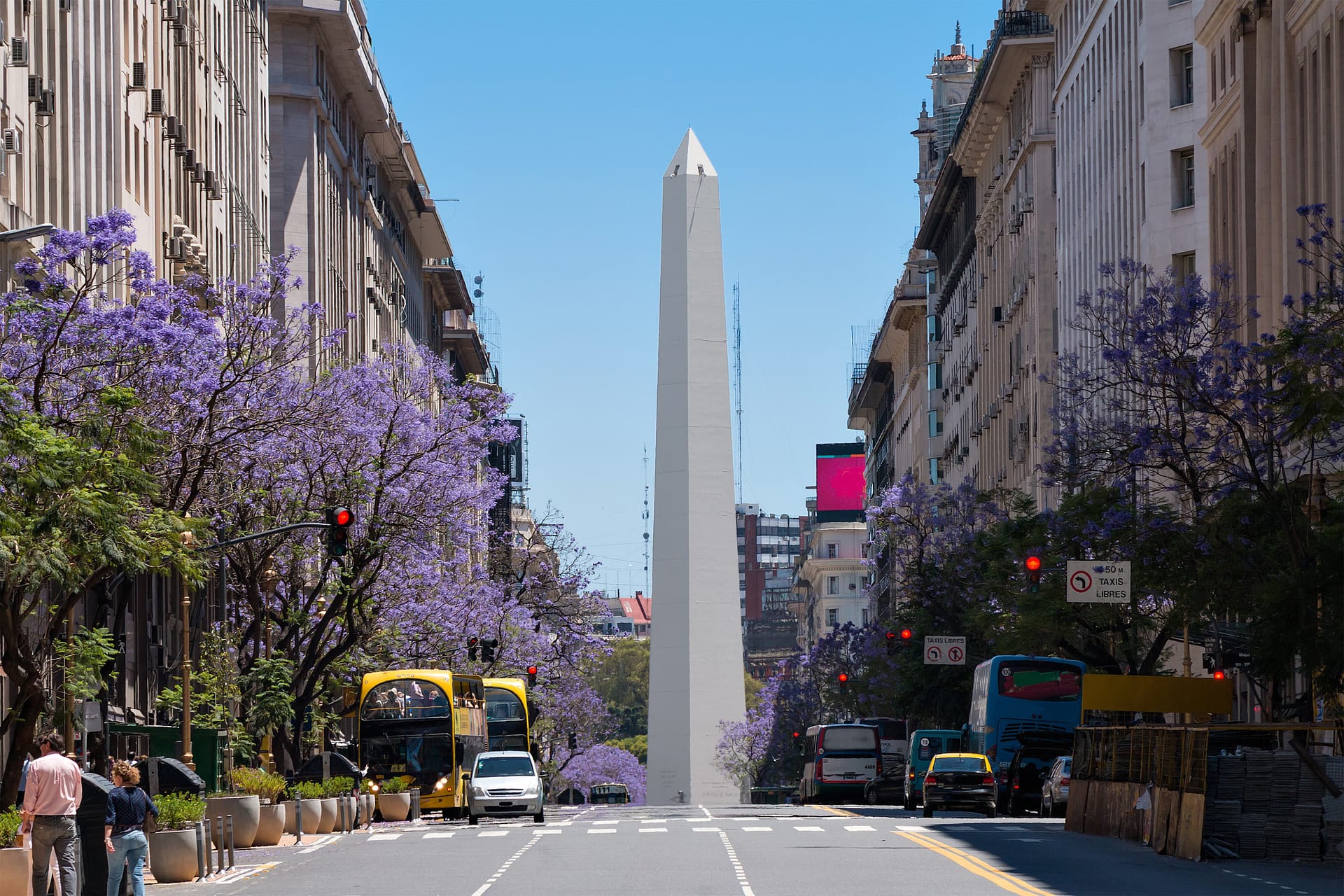
Spring (September – November): Temperatures range from 9.9–25.3°C (50–77°F), with September being mild and November approaching warmth. This is widely considered the most beautiful season, particularly October–November when jacaranda trees bloom throughout the city, creating iconic purple-lined streets. Spring brings festivals, clear skies, and longer sunny days perfect for outdoor exploration. November is especially recommended for photographers and culture seekers.
October, November, March, and April stand out as the absolute best months, offering perfect weather, abundant cultural events, manageable crowds, and competitive pricing compared to peak season.
Weather in Buenos Aires
How to Save Money in Buenos Aires
Use the SUBE card for all transportation The SUBE card is a rechargeable contactless card providing universal access to buses, subways, and trains. Individual fares cost approximately 0.30–0.50 USD per trip, and a monthly SUBE card (costing about 0.60 USD) can be topped up for $15–20 to cover unlimited daily commutes. This is significantly cheaper than taxis or ride-sharing and is the single most efficient way to reduce transportation costs.
Eat the daily lunch menu (menú del día) Most cafés and restaurants offer special set lunch menus priced between 500-700 ARS ($5-12 USD). This is significantly cheaper than ordering à la carte and represents exceptional value—you'll enjoy three courses at what would cost only an appetizer at dinner. Take advantage of this daily tradition and enjoy lunch like a local porteño.
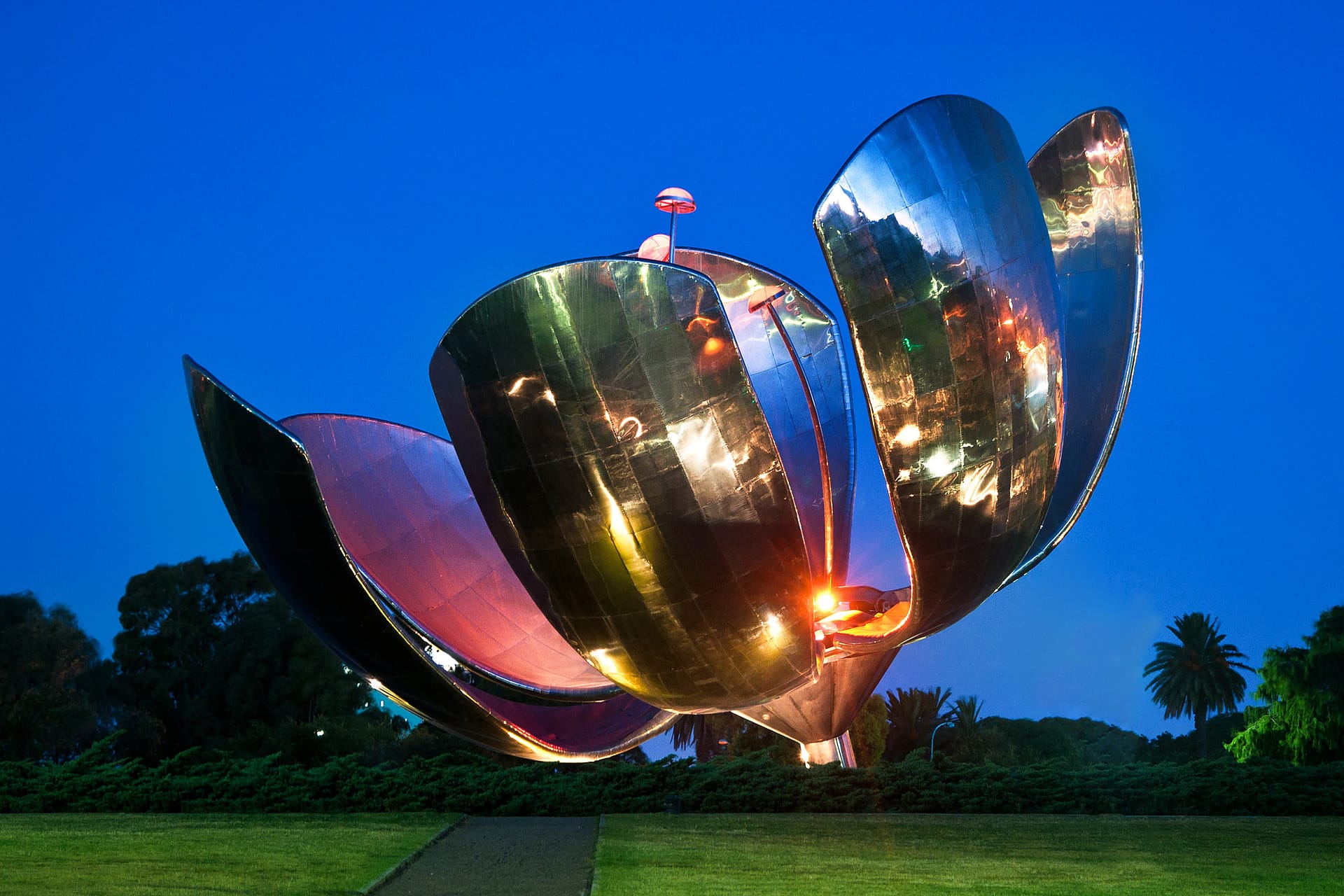
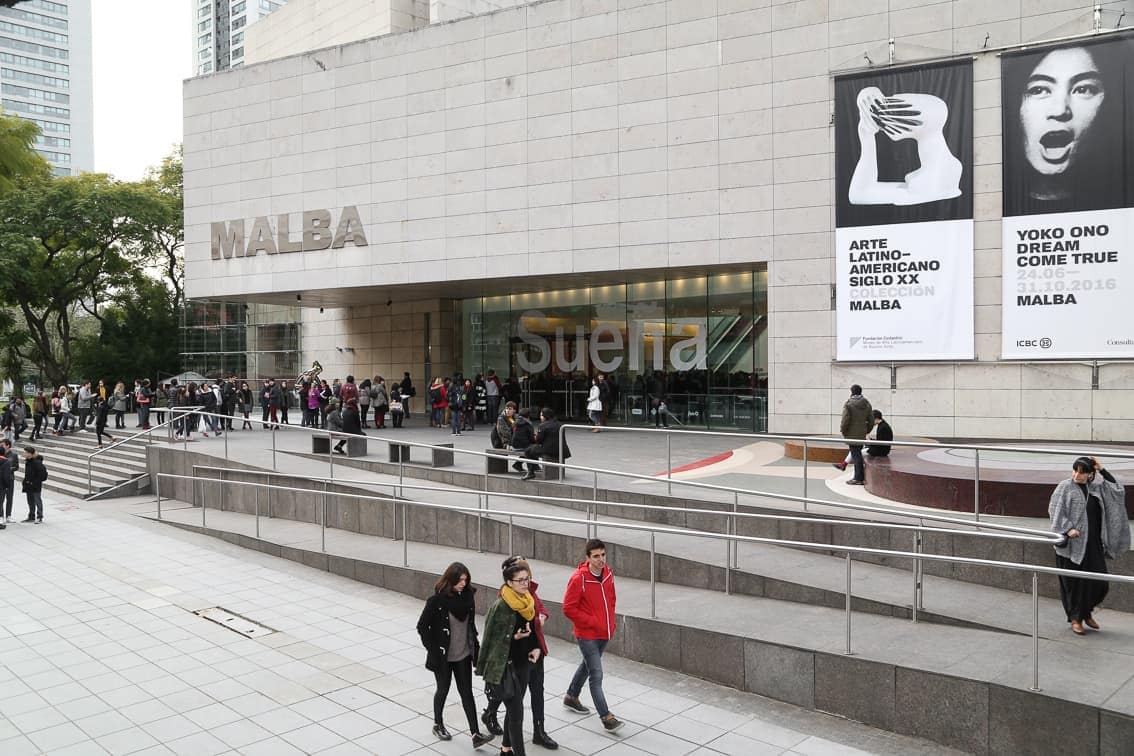
Take advantage of free and discounted attractions Many world-class museums offer free or significantly discounted admission. The Museo Nacional de Bellas Artes is completely free, while the MALBA offers free admission on Wednesdays (and free for students with ID year-round). El Ateneo Grand Splendid bookstore and Buenos Aires Botanical Gardens are free to explore. Plaza de Mayo, Obelisco, and Floralis Genérica are free open-air attractions. Free walking tours operate throughout the city with tips-based payment.
Bring a water bottle with a built-in filter
Buenos Aires' tap water is safe to drink—considered the best in Latin America. Bringing a filtered water bottle saves money on bottled water and reduces plastic waste. This simple step eliminates a daily expense while enabling you to refill throughout the city.
Download the Cómo Llego app
This Buenos Aires-specific navigation app shows you optimal routes for buses and the subway, saving time and preventing frustration. Buenos Aires has 336 bus routes—Cómo Llego makes navigating them intuitive, helping you avoid getting lost and selecting the most efficient route.
Currency and exchange
Argentina's official currency is the Argentine Peso (ARS). However, a significant "blue dollar" black market exchange rate exists, often offering 20–40% better rates than official channels. While changing money through unofficial sources is technically illegal, many travelers and locals use it. Official ATMs provide reasonable rates; credit cards are widely accepted in most businesses, though keeping some cash is essential as card machines aren't always reliable.
Culture & Customs
Buenos Aires' culture is unmistakably porteño—a distinct identity shaped by European immigration (particularly Italian and Spanish), indigenous heritage, and African influences. This cultural fusion created tango, a sensual dance born from the emotional expression of marginalized communities in late-19th-century neighborhoods. Today, tango permeates Buenos Aires' identity. You'll encounter it in intimate milongas (traditional dance halls where locals dance), elaborate dinner shows in San Telmo and La Boca, and street performances at every major plaza. Beyond tango, café culture remains central to porteño life—residents spend hours lingering over coffee in historic cafés like Café Tortoni or La Biela, engaging in animated conversations about politics, literature, and life.
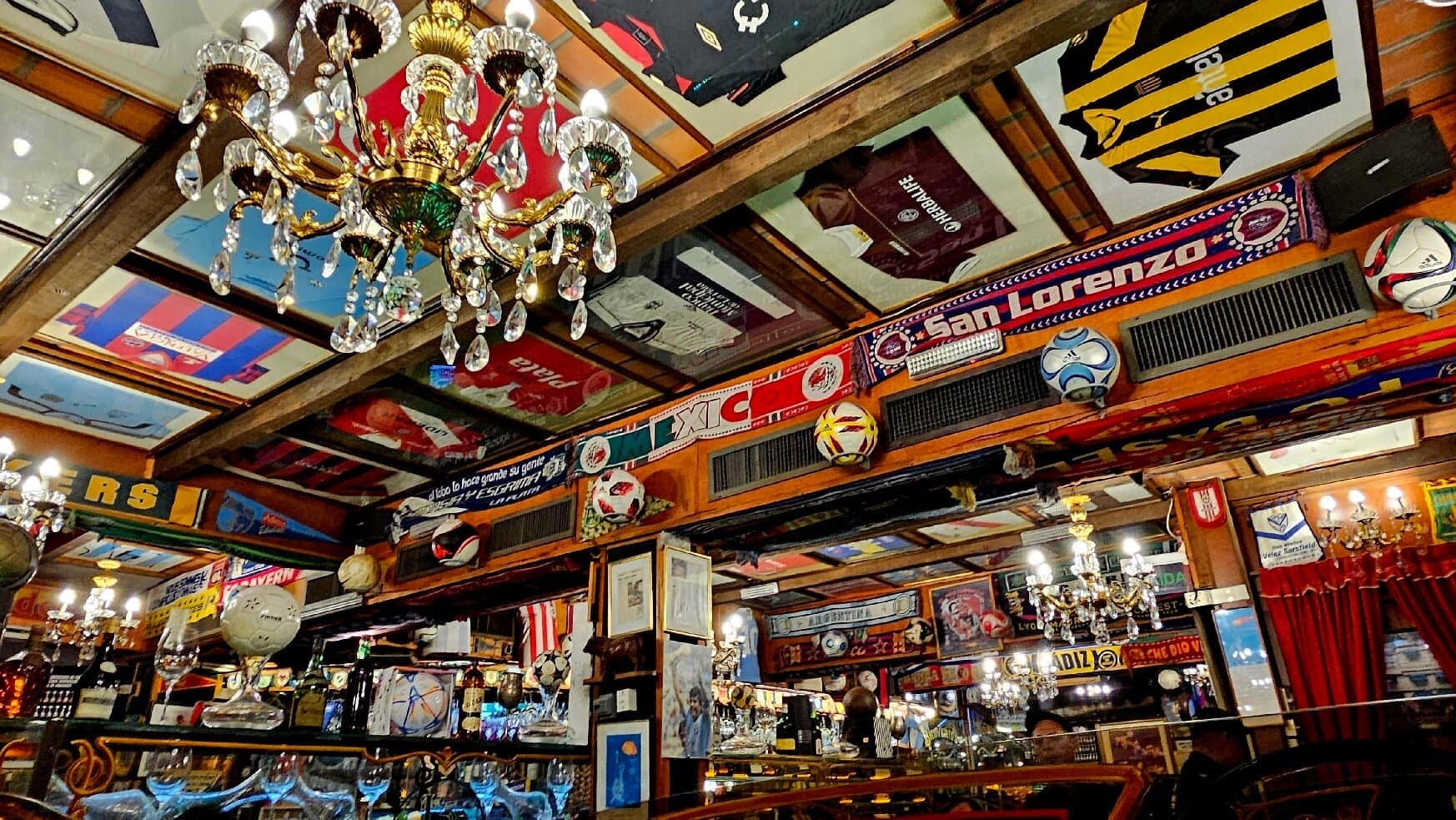
Buenos Aires boasts more than 50 officially recognized "bares notables" (notable bars), each with distinctive histories and architectural significance. Theater is another passion: the city has over 300 theater spaces ranging from the grand Teatro Colón to intimate off-Corrientes experimental venues. Fashion and design are sources of pride, with neighborhoods like Palermo and Recoleta hosting international design events and showcasing local designers at the forefront of South American fashion. Time moves differently in Buenos Aires—dinner doesn't start until 9 or 10 PM, nightlife peaks after midnight, and a relaxed approach to punctuality reflects the value placed on personal connections over strict schedules. Porteños are generally warm and passionate, enjoying vigorous debate and emotional expression while maintaining genuine hospitality toward visitors who show respect for their culture.
What to Eat
Buenos Aires is a carnivore's paradise where beef reigns supreme. The undisputed centerpiece of Argentine cuisine is the asado—a slow-cooked barbecue ritual involving various cuts of beef prepared over charcoal. This isn't merely a meal but a sacred social ceremony where the asador (grill master) builds the fire and cooks meat in courses. Traditional asado begins with picada (a starter of charcuterie and cheeses), progresses through achuras (offal like blood sausage, organ meats, and intestines), and culminates in premium cuts like vacío (flank steak), asado (ribs), entraña (skirt steak), and beef tenderloin.
Iconic steakhouse restaurants (parrillas) serve asado year-round: Don Julio in Palermo Soho is legendary for impeccably prepared bife de chorizo and outstanding wine lists; Hierro Palermo Parrilla and Hierro Parrilla San Telmo offer exceptional parrilla experiences; La Carnicería combines quality cuts with elegant service; and Fogón Asado provides authentic asado night experiences with storytelling about meat preparation. Beyond steaks, empanadas (filled pastries) are ubiquitous street food, stuffed with meat, cheese, or vegetables. Choripán (chorizo sandwich) served at markets and street vendors represents affordable, authentic eating. Pizza is taken seriously—Buenos Aires has world-class pizzerias like El Cuartito and Güerrín, with fugazzeta (onion-topped pizza without tomato sauce) being the signature local style. Medialunas and facturas (croissants and pastries) from confiterías (pastry shops) like Confitería La Ideal pair perfectly with morning coffee.
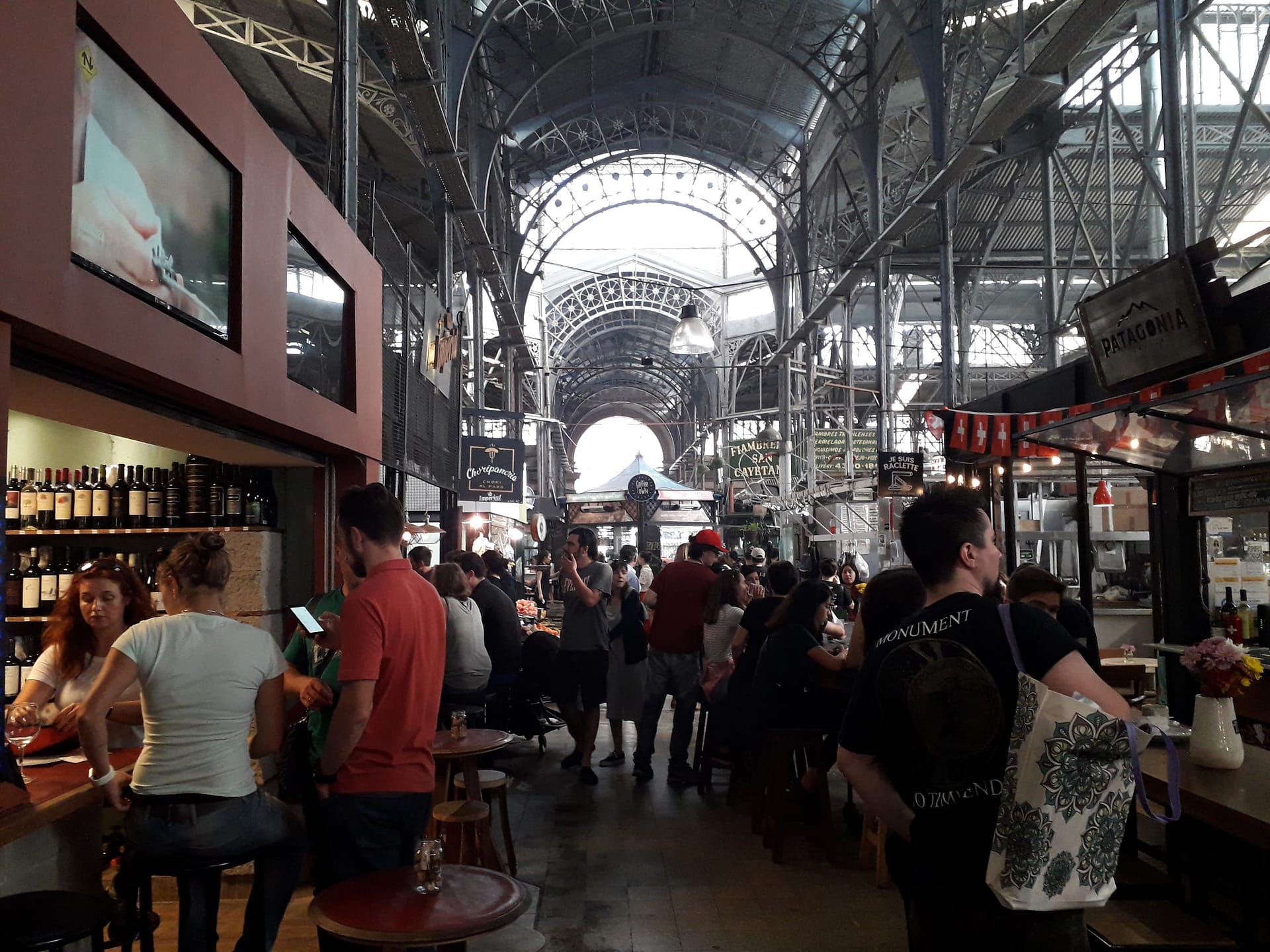
For lighter options, explore the San Telmo Market, a former central market now hosting food stalls offering classic Buenos Aires dishes, fresh produce, and artisanal goods. Italian cuisine remains influential through authentic trattorias serving house-made pasta—La Alacena Trattoria exemplifies this tradition. Street markets and supermarket delis offer provoleta (grilled provolone cheese), fresh bread, and quality ham for affordable picnic meals in the city's beautiful parks. Don't miss café culture—sitting for hours at a café with a coffee or submarino (hot chocolate with a chocolate bar submerged in hot milk) is a cherished porteño tradition.
Safety
Buenos Aires is generally considered safe compared to other major Latin American capitals, but as with any large city, petty crime requires common-sense precautions. Pickpocketing and bag-slashing occur primarily in crowded tourist areas like Florida Street, around Plaza de Mayo, the Retiro train station, and within the busy subway system. Avoid displaying expensive jewelry, valuables, or talking on your phone in public, and keep backpacks and purses worn on your front rather than your back. The safest neighborhoods for tourists are Palermo, Recoleta, Villa Crespo, and Belgrano—these areas feel secure day and night with active café culture, boutiques, and parks full of locals.
San Telmo offers authentic charm but warrants increased caution at night or on quiet backstreets away from main areas like Caminito. Stay on Caminito Street in La Boca during the day; avoid neighboring streets after dark where violent thefts occasionally occur. Be alert for "motochorros" (motorcycle thieves)—two men on motorcycles who target tourists, though increased police enforcement has reduced this crime significantly. While armed robbery is a concern, hand over valuables without resistance if targeted. The Argentine government has implemented a crime crackdown with improved technology and police presence, resulting in declining homicide rates. Most visitors never experience crime, but remaining alert, avoiding poorly-lit areas after dark, and staying in well-trafficked neighborhoods makes Buenos Aires a safe destination for responsible travelers.
How to Get Around Buenos Aires
The Buenos Aires subway (Subte) is the fastest and most straightforward way to navigate the city. The system operates six lines—A, B, C, D, E, and H—connecting 90 stations across 56.7 kilometers of route. On weekdays, trains run from 5:30 AM to 11:30 PM; weekends operate with slightly extended hours. To use the Subte, purchase a rechargeable SUBE card at any metro station or kiosk for approximately $1 USD, then load it with cash—fares decrease the more you travel (roughly $0.30-0.50 USD per ride). From January 2025, you can also pay subway fares directly with credit cards.
The bus system covers 336 routes operating 24 hours daily, reaching neighborhoods the Subte doesn't access. While bus routes can seem complex, the Cómo Llego app provides essential navigation assistance. Bus 152 is an excellent starter route, connecting La Boca (Caminito), San Telmo, Puerto Madero, Plaza de Mayo, Retiro, Recoleta, Palermo, and Belgrano—covering all major tourist highlights. The Metrobús system features dedicated bus lanes on major avenues like Avenida 9 de Julio and Avenida Juan B. Justo, with 2-4 minute frequency during the day.
For day trips, suburban trains serve Tigre (scenic delta canals) and other destinations, accessible from Retiro or Constitución stations. Buenos Aires also features an excellent free public bike-share system (Ecobici) offering up to one hour of bike usage Monday-Friday and two hours on weekends with the free tier—registration requires a credit card through their app. The city has extensive biking lanes, making cycling an enjoyable way to explore neighborhoods. For convenience, taxis and ride-share services like Uber are abundant, though they're more expensive than public transport.
Entry & Exit Requirements
US citizens enjoy visa-free entry to Argentina for up to 90 days for tourism or business purposes. You need a valid US passport with at least six months validity remaining and one blank page for entry stamps—the reciprocity fee was eliminated in 2016, making entry completely free. Starting July 1, 2026, mandatory travel health insurance with minimum $20,000 USD coverage becomes required upon arrival; ensure your policy covers Argentina and that you carry proof in physical or digital form. While technically optional, immigration officials may request proof of accommodation, proof of funds for your stay, and a return or onward ticket. You cannot be denied entry for lacking these, but having them streamlines the process. If visiting longer than 90 days, you can apply for a 90-day extension once in Argentina through the National Immigration Office. Private US citizens don't need diplomatic visas; only those holding diplomatic or official passports require visas prior to arrival. Yellow fever vaccination is recommended if traveling to Argentina's northeastern provinces (Corrientes, Misiones) but not required for Buenos Aires itself. Visit the U.S. State Department's website for the latest information on entry and exit requirements.